Warning: This article is rooted in the principles of Ayurveda and is intended for informational purposes only. It is not a substitute for professional medical advice, diagnosis, or treatment. Before making any changes to your diet or lifestyle, especially if you have a chronic condition, please consult your healthcare provider or a certified nutrition specialist.
India evokes its own associations in every person; when its name is mentioned, even those who have never been to this country remember yoga, enchanting music, romantic films and, of course, Indian spices. Today we will talk about one of India’s calling cards: masala seasoning. What is this spice, what pairs well with it, and what benefits can it provide?
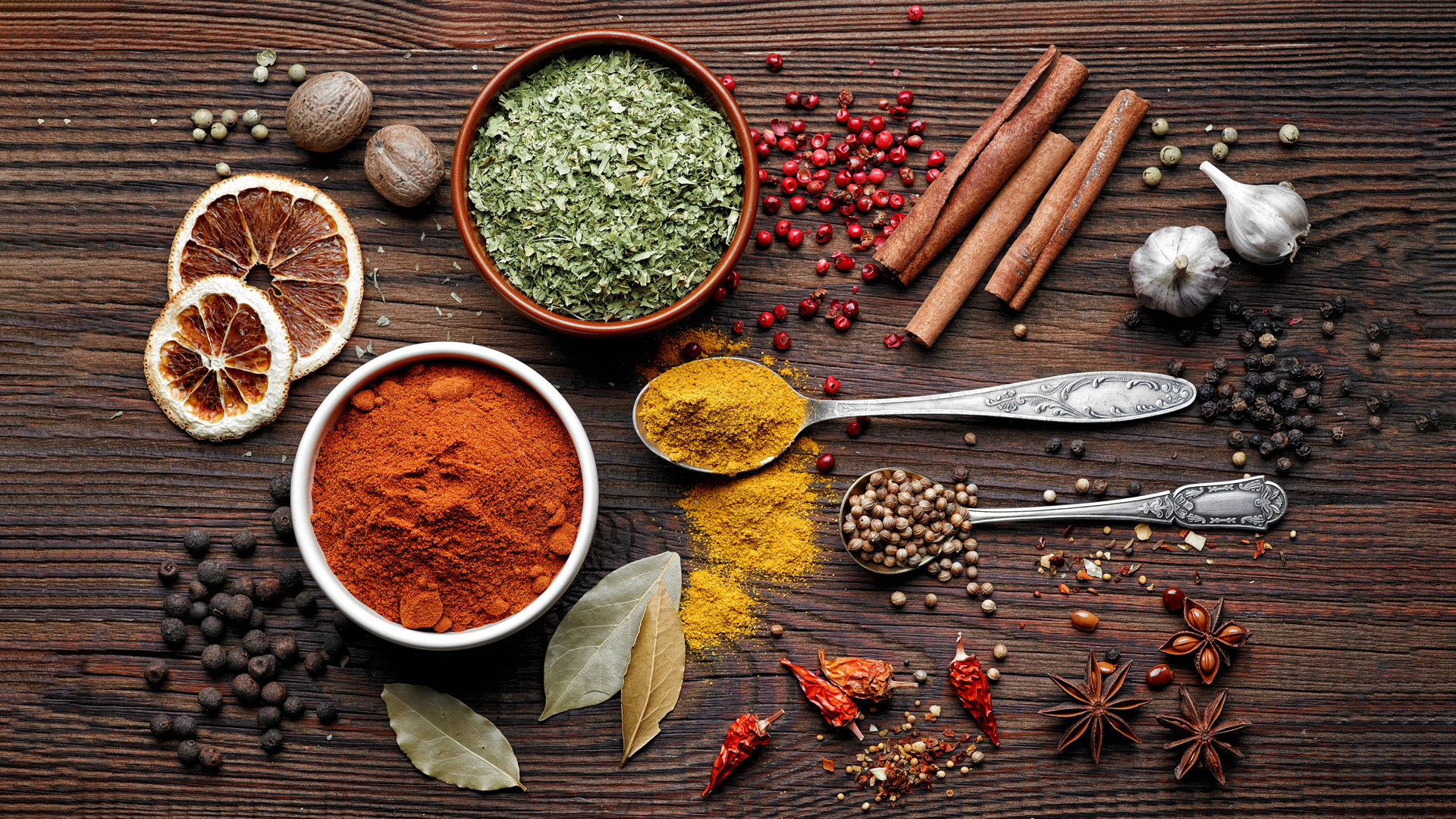
Masala: recipes for different spice mixes
The story of this spice’s origin has been lost over the centuries – we can’t say for certain who first combined several herbs, and when. The word “masala” itself in Hindi means a ‘mixture of seasonings, spices.’ Often in India, the prefix “garam” is added to this term, which in Hindi means ‘hot.’ Thus, we can say that garam masala is a hot mixture of spices.
Each region of India has its own version of this seasoning, depending on the cook’s taste preferences and the availability of certain ingredients.
Of course, it's simply impossible to cover all existing spices - it is known that each variation of masala can contain from 10 to 30 different spices. Instead, we will examine the most popular spice variants, their composition and useful properties.
The most popular garam masala is made of:
- coriander;
- black pepper;
- cinnamon;
- cardamom;
- cloves;
- nutmeg;
- cumin;
- saffron;
- ginger;
- anise.
Another variant, kachori masala, is used to create flatbread. In addition to the spices above, it contains red pepper, ajwain, dried ground mango and, occasionally, sesame.
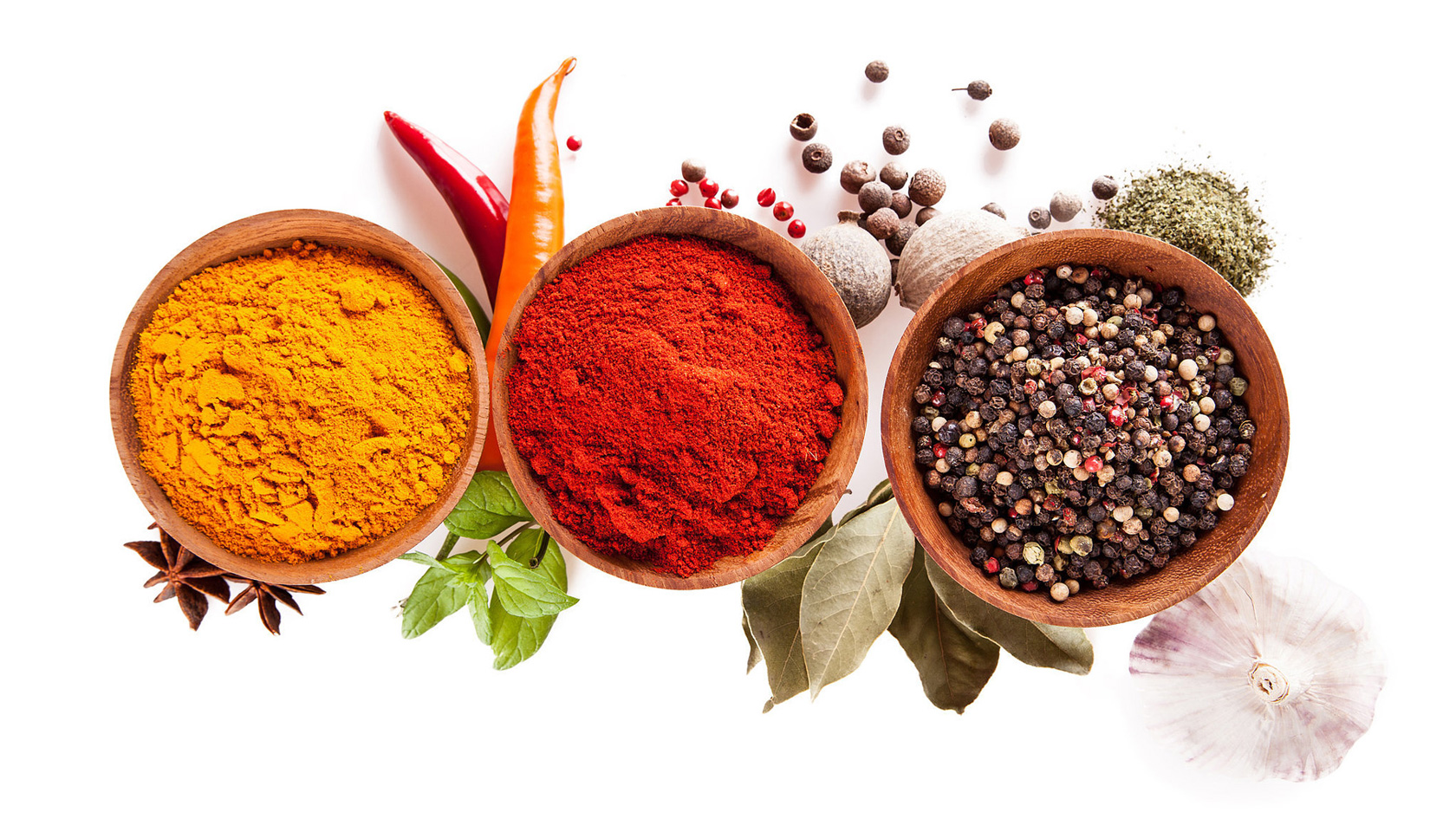
And if you add only dried mango powder to garam masala, you’ll get chaat masala– a spice often used for fruit salads.
Tandoori masala is a real bouquet of spices– garlic and lemon juice are added to garam masala and used to cook dishes in a tandoor.
There is also a simplified masala, panch phoron masala, which includes only five spices:
- fennnel (can be replacesd with anise);
- fenugreek seeds;
- black mustard seeds;
- black cumin seeds;
- indian cumin.
It is worth paying attention to the fenugreek seeds– they not only enhance the dish’s flavor but have important properties:
- supply vitamins B and D;
- cleanse the body of mucus and toxins;
- help lose weight;
- stimulate brain function.
Whichever spice you choose, remember that Indian seasoning has a small amount of calories (around 300 kcal/100g) and benefits the gastrointestinal tract, facilitating the stomach’s function and improving its peristalsis.
However, overconsumption of the spice should be avoided and those with serious gastrointestinal diseases should avoid masala entirely.
A few more words about the benefits of masala.
- Cardamom and ginger contain manganese, which improves the absorption of iron and strengthens the immune system.
- The seasoning, regardless of its composition, is rich in vitamin A, which slows down the aging process.
- Coriander is rich in vitamin K, which improves the clotting of blood.
- Cloves contain iron and also strengthen the immune system and relieve pain.
- Cinnamon, when included in masala, lowers blood sugar levels and helps increase insulin sensitivity, which is very important for people with type 2 diabetes.
Nowadays, we can easily find the seasoning and buy it in a store. It’s important to check the expiration date and, at home, keep it in a hermetically sealed container in a dark, dry place.
For those who want to make Indian masala spice themselves, we offer the following recipe.
For the seasoning, we will need:
- 2 tsp cumin seeds;
- 1.5 tsp ground cardamom;
- 1.5 tsp ground coriander;
- 1.5 tsp ground black pepper;
- 1 tsp ground cinnamon;
- 0.5 tsp ground cloves;
- 0.5 tsp ginger.
Bake all of the ingredients for about 6-7 minutes in a 170-degree oven (338 degrees Fahrenheit), then mix and pour them into an airtight container
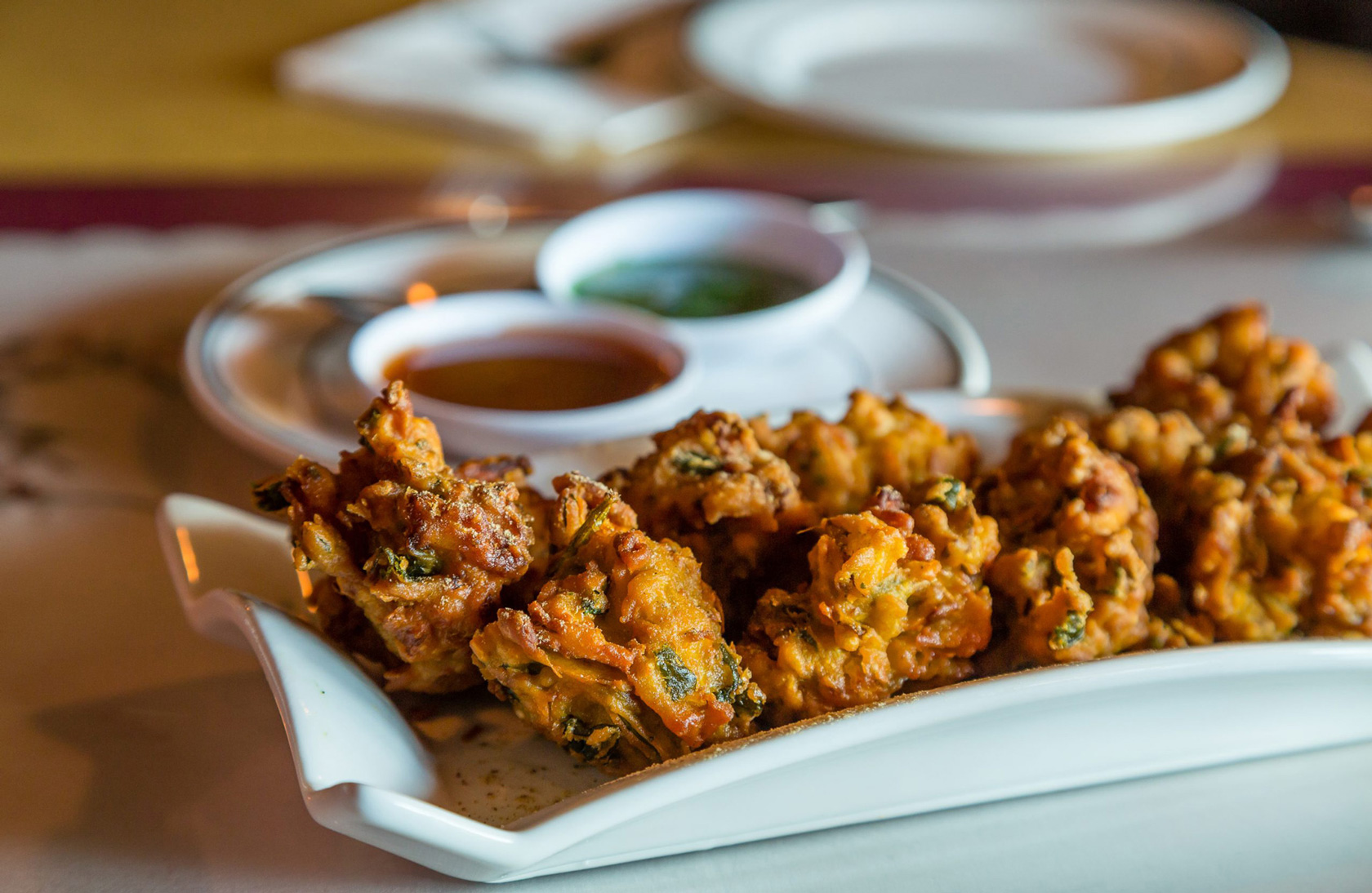
Recipes for dishes with masala spices
Masala spice is most popular in India as a tea additive which, due to its composition, invigorates and gives strength. In India, you can often see tea sellers moving along the streets with a large thermos, pouring the spicy drink for those who want it.
Another classic recipe of Indian cuisine is delicious vegetable pakoras. To prepare them, we’ll need:
- wheat flour – 250g (2 cups);
- potatoes – 300g (about 1 large potato);
- onion –220g (about 1 medium onion);
- spinach – 100g (about 2 cups);
- water – 200ml (slightly less than 1 cup);
- baking powder – 10g (2 tsp);
- hot ground pepper – 3g;
- lemon juice – 20ml (about 1.5 tbsp);
- garam masala – 5g (2 tsp);
- salt – 5g (¾ tsp);
- vegetable oil – 400ml (1 ⅔ cups).
Boil the potatoes in their skins, peel and mash until smooth. Chop the onion into small cubes and finely cut the spinach. Sift the flour, then add baking powder, masala, ground hot pepper, and salt. Make a well in the flour and pour in water and lemon juice, then mix the dough. Add the potatoes, onion, and spinach to the bowl with the dough. Mix thoroughly so the onions and greens are thoroughly distributed.
Pour vegetable oil into a deep frying pan and heat over medium heat. When the oil starts to sizzle and turn brown, you can fry the pakoras. To do so, scoop up some dough with a spoon and place it in the oil. Fry the pakora ball for about five minutes; it should acquire a golden hue. Place the finished balls on a paper towel to absorb excess fat.
An excellent way to get acquainted with Indian cuisine can be ginger soup, which is especially useful during the flu season as it strengthens the immune system.
To prepare it, we’ll need:
- ginger root – 30g (about 4 inches in length);
- garlic –15g (about 2 tbsp)
- tomatoes – 200g (about 2);
- hot pepper – 5g (2 tsp);
- water – 200ml (slightly under 2 cups);
- vegetable oil – 20ml (1 ⅓ tbsp);
- cumin – 5g (2 tsp);
- salt, to taste;
- turmeric – 2.5g (1 tsp);
- masala – 5g (2 tsp);
- greens – 10g.
Peel the ginger and garlic, grind them in a blender until paste-like. Add tomatoes and pepper to the blender, then pour water over the resulting mixture. Pour vegetable oil into a pan and let it heat. Add cumin and fry until a pleasant aroma appears, then add the prepared mass, carefully pouring it into the hot pan. Add salt and masala seasoning to taste and cook for five minutes, stirring gently. Once the soup thickens, pour it into bowls and sprinkle with fresh greens.
For a tasty dessert, we’ll need:
- cashews – 100g (⅞ cup)li>
- walnuts – 100g (⅞ cup);
- almonds – 100g (⅞ cup);
- olive oil – 20ml (1 ⅓ tbsp)l;
- ginger – 30g (3.5 tbsp);
- masala – 5g (2 tsp);
- honey – 20g (3 tsp);
- cinnamon – 5g (2 tsp).
Heat the oil in a pan, add masala and ground ginger. Let the oil heat well, then add the nuts and cook for five minutes. Set the nuts aside, placing them in a deep bowl. Melt the honey in a water bath (you can also use a pan with hot water or a microwave), add it to the nuts and mix thoroughly. Sprinkle the dessert with cinnamon before serving.
Bon appetit!
The views expressed are based on traditional Ayurvedic texts and do not constitute medical advice.