Warning: This article is rooted in the principles of Ayurveda and is intended for informational purposes only. It is not a substitute for professional medical advice, diagnosis, or treatment. Before making any changes to your diet or lifestyle, especially if you have a chronic condition, please consult your healthcare provider or a certified nutrition specialist.
Ayurveda is an ancient science of healing and maintaining health. And health, as we know, depends on many factors. One of the most important is nutrition: what we eat is the building material for our body. It also influences the functioning of consciousness, determining which tendencies will prevail in the mind and body. People have always strived to consume not only nutritious and healthy, but also tasty food. Spices play an important role in the process of flavor formation.
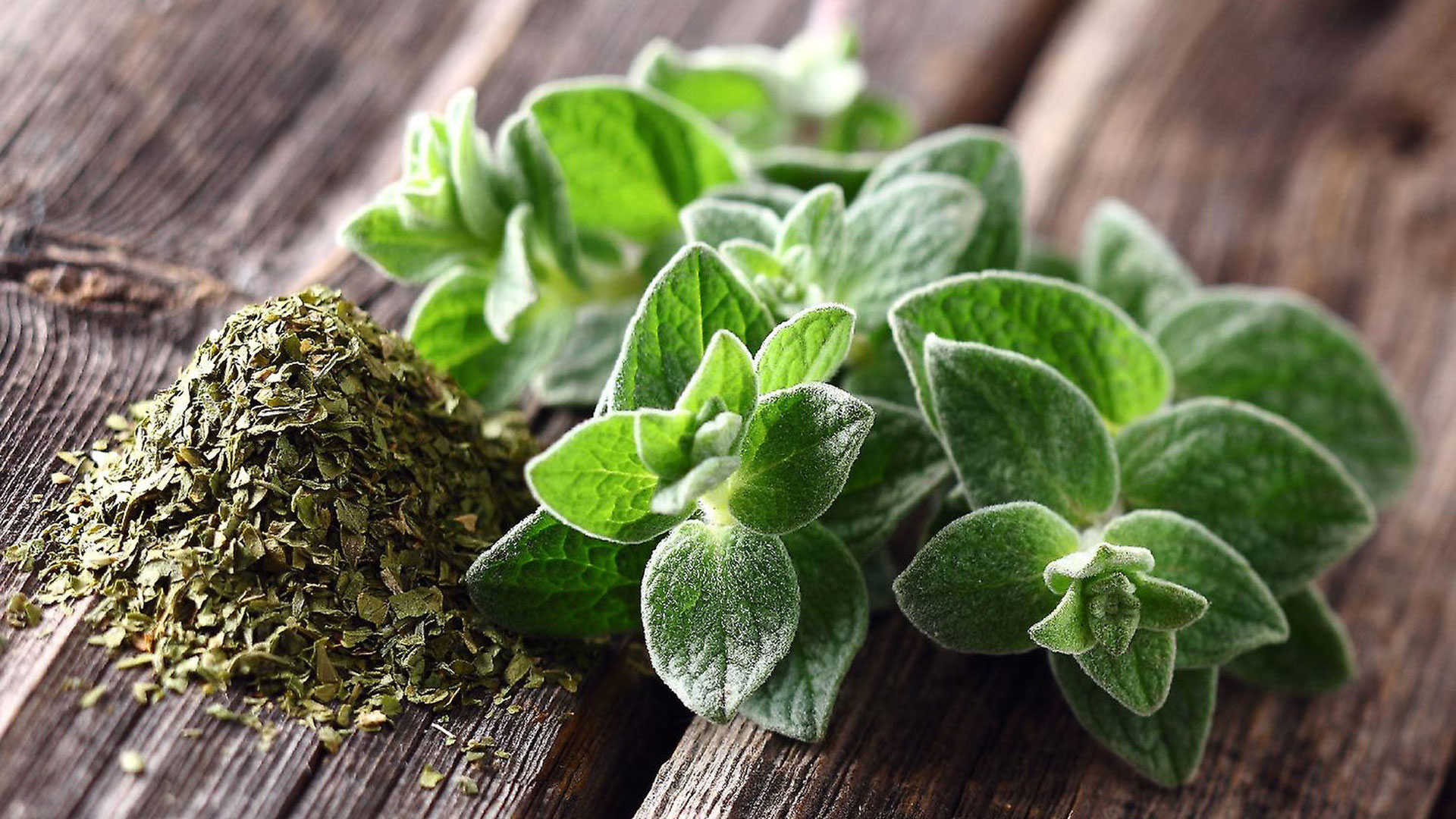
Why do we need cooling spices?
Ayurvedic science describes in detail the art of using spices to enhance the taste and impart healing properties to foods. These include: greens (dried and fresh), plant seeds (whole or crushed).
The average person gives little thought to what, besides taste and aroma, this or that food additive provides. According to Ayurveda, each spice has a specific characteristic, carrying cooling or hot qualities.
Spices that bring cooling sensations are useful during the summer period. Hot days increase pitta dosha in the body, leading to heartburn, indigestion, acne and sweating. Excessive heat exposure can cause skin irritations such as rashes and acne, seasonal allergies, dehydration, and even heatstroke.
Cooling spices will be effective in normalizing digestive fire in those who have it excessively. They are also useful for reducing inflammation in the body. People with a predominant pitta dosha, consisting of fire and water, are advised to consume precisely these spices, which reduce and calm pitta.
Examples of cooling spices
Cardamom is used to add flavor to sweet dishes, and its seeds are also chewed to freshen breath and stimulate digestion. Cardamom pods are tough, but can be eaten with the seeds. Cardamom is also added to various drinks, such as Indian masala tea, and is also included in ready-made powders for various dishes. An example would be garam masala. "Garam" translates as "hot mixture," but since cardamom has cooling properties, it brings a balancing cooling function to this complex powder.
Coriander/cilantro. Just as parsley is widely distributed and popular in the west, cilantro is a universal favorite in the east. It is added to vegetables, soups, and is included in many recipes with legumes. Cilantro is sold in huge bunches, which are used up very quickly, giving dishes a rich green color and a unique aroma. In India, for example, they really like to pepper food, which makes the food very hot for the body. An abundance of cilantro and coriander powder calms and balances the pepper's fire. Coriander seeds are also one of the main spices in Indian cuisine. Freshly ground, they are added directly to vegetables. Whole seeds are roasted along with other spices.
Fennel is a spice sometimes called sweet cumin. It helps digestion and freshens breath. Very useful for gastritis, stomach ulcers and other diseases of the gastrointestinal tract.
Saffron, the "king of spices", is the dried stigmas of the flower that are processed by hand. It takes 300,000 flowers to produce a kilogram of saffron, so saffron is expensive. It has a yellow-orange color and can brightly color a dish even with a small amount.
Nim is a strong disinfectant plant and cleanses the blood well. It can be used both externally and internally. Cream and toothpaste with nim provide a wonderful antibacterial effect.
Mint. It is used to decorate dishes, to add freshness and aroma. Used in drinks, sauces, vegetable and bean dishes. Mint stimulates digestion, helps with nausea and vomiting, and activates the liver and intestines. Everyone knows about mint candies and their cooling effect. Mint is easy to grow at home on a windowsill.
The founder of the Mongol Empire, Babur, was fascinated by the tradition of using spices in India. He is known to have said that if his compatriots had mastered this art as well as the Indians, he would have conquered the whole world.
By using combinations of spices, you can give your dish a unique aroma, and by applying the knowledge of Ayurveda, you can enrich it with the desired effect for your health and well-being.
The views expressed are based on traditional Ayurvedic texts and do not constitute medical advice.