Warning: This article is rooted in the principles of Ayurveda and is intended for informational purposes only. It is not a substitute for professional medical advice, diagnosis, or treatment. Before making any changes to your diet or lifestyle, especially if you have a chronic condition, please consult your healthcare provider or a certified nutrition specialist.
Food preferences can reveal not only a person’s physical constitution but also their character and emotional tendencies. According to the classification used in Ayurveda, the pairing of fundamental elements give rise to six distinct tastes. A craving for spicy products indicates a Pitta or Kapha constitution (or a combination of the two) and reflects a passionate, impulsive, and impatient nature. This relationship works both ways: people with the given traits always gravitate toward spicy flavors, but excessive consumption of such foods can also foster the same characteristics. In this article, we will explore which foods (beyond just hot peppers) are considered spicy, how this taste benefits the body, and which recipes to choose.
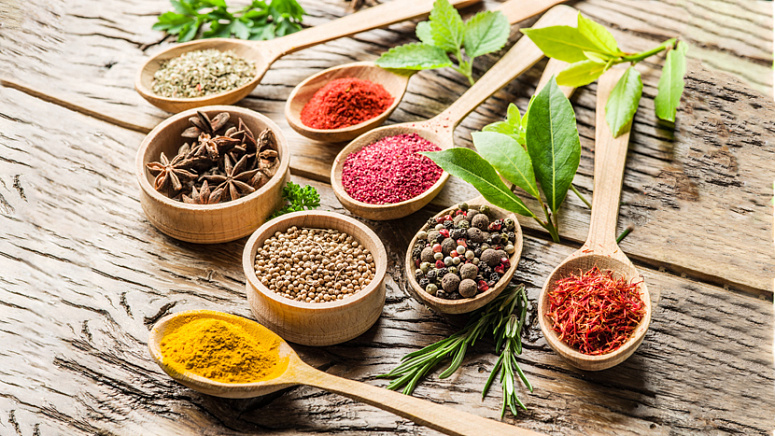
Benefits of the spicy taste
The spicy taste (Katu) combines the primary elements of fire and air; it reduces Kapha dosha while increasing the other two, Vata and Pitta. Consequently, Kapha-type individuals need spiciness the most, Vata-type individuals need it in moderate amounts, and Pitta-type individuals need as little of it as possible.
Everything we eat affects the human body in three aspects. The first aspect is called rasa, or taste. This is the impression that food makes while it is still in the mouth, prior to digestion, as the tongue perceives the flavor (in this case, spiciness). The second aspect is virya, or the energy of the food.
The spicy taste possesses a healing energy that boosts digestion and metabolism. The third aspect— vipak— is the post-digestive effect of the food; the spicy taste, for instance, produces a strong vipak. It leads to an increased exchange with the outside world, e.g. by stimulating hunger and information absorption.
Qualities of the spicy taste:
- warming,
- light,
- dry.
According to primary sources, the spicy taste possesses the following properties:
- irritates the tip of the tongue;
- causes a tingling or prickling sensation;
- promotes tearing, nasal discharge, and salivation;
- causes a burning sensation in the cheeks.
In terms of nutritional value, spicy foods are ranked second to last in Ayurveda, meaning that they are one of least nourishing foods and deplete the body’s resources rather than helping it grow.
Nevertheless, the list of positive effects associated with the spicy taste (when it is used correctly) is impressive:
- adds variety, enriches the flavor of dishes, and draws moisture out of food;
- ignites the digestive fire, boosts appetite, aids digestion, acts as a carminative (i.e. a substance that combats flatulence), and improves intestinal peristalsis;
- helps eliminate impurities, waste, and toxins (ama) while promoting sweating and cleansing the body;
- reduces total body fat and moisture, eliminates swelling, and acts as a diuretic;
- cleanses the tongue and oral cavity, clears congestion in the nasopharynx, liquifies mucus, and treats chest diseases;
- purifies the blood, dissolves blood clots and prevents their formation, and normalizes blood circulation;
- possess bactericidal properties (combats viruses, bacteria, and parasites);
- treats neck diseases, e.g. problems with the thyroid gland;
- treats skin diseases, relieves itching, heals wounds, breaks down adhesions, and cleanses the skin and sweat glands;
- reduces allergic reactions;
- eliminates the feeling of coldness;
- clears the body’s channels;
- brings you out of apathy and depression, boosts mental activity, and enhances judgment and clarity of thought.
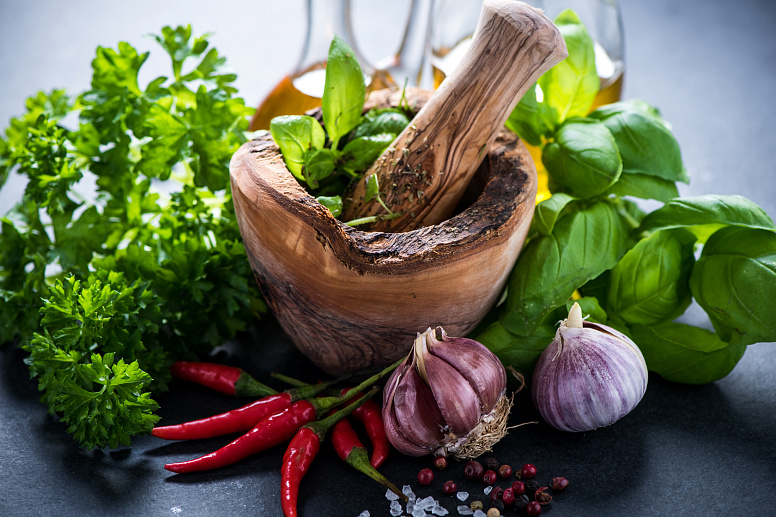
In terms of medicinal properties, the spicy taste falls into the top three in Ayurveda, directly followingbitter and astringent. The latter two are used to treat fevers, injuries, and infected wounds. Similarly, the spicy taste stimulates the body’s protective functions, neutralizing congestion and pathogenic environments. A combination of the spicy and astringent tastes is used in Ayurveda to dry out the body by eliminating mucus and phlegm, thereby ridding it of excess Kapha and ama.
A combination of the spicy and bitter tastes is used to detoxify the body. This is because spiciness greatly stimulates the digestive fire, making it a good flavor to add to heavy, fatty, or otherwise difficult-to-digest foods, as well as in cases of overeating or excessively sweet meals. In other words, the spicy taste makes any dish easier to digest and assimilate.
A combination of the three tastes— spicy, sour, and salty— stimulates digestion.
Despite all of the benefits that this taste possesses, exceeding its reasonable dosage can lead to undesirable consequences. Spicy foods are not forbidden during pregnancy, but expectant mothers should always consider their own constitution, condition, and established habits before consuming anything with a burst of spicy flavor.
Excessive consumption of spicy foods can lead to:
- weakness, lethargy, nausea, dizziness, fatigue;
- thirst, parched mouth;
- burning/aching in the body, muscle spasms, tremors, sweating;
- skin inflammation;
- insomnia, headaches;
- digestive disorders, exacerbation of gastrointestinal diseases;
- drying out of the lungs and other undesirable effects;
- weakening of the reproductive system;
- addiction to and increased consumption of spicy foods due to reduced taste bud sensitivity;
- increased irritability and anger.
In nature, there are virtually no foods with only a single taste; more often, they are a combination of two or more. However, there are products that represent a single taste in its purest form. Spiciness in its pure form is found in hot spices such as chili peppers.
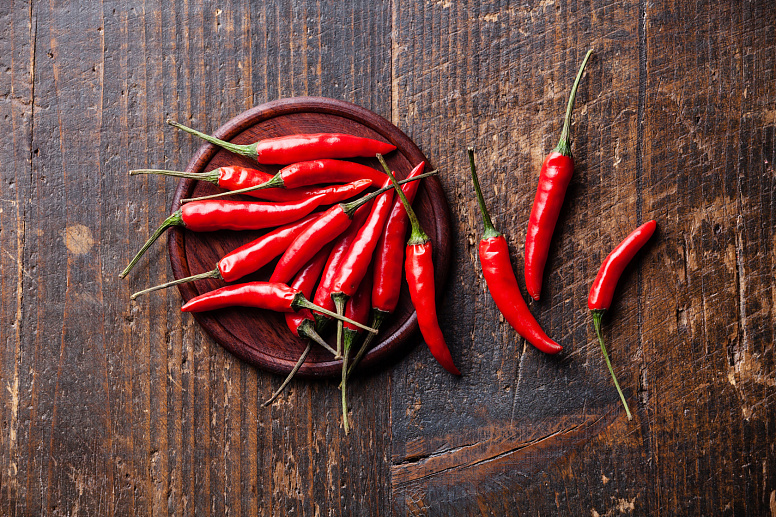
Foods that combine several distinct flavors require more time to digest and aren’t as one-directional in their effects; consequently, they have fewer negative consequences. A flavor in its pure form, on the other hand, is more intense, disrupting the corresponding dosha’s balance a lot more strongly and quickly.
Regularly consuming foods with this flavor in your everyday life will lead to a perpetual imbalance of the doshas. Pure tastes act like medicine during illnesses, making them ideal for therapeutic purposes but not as a regular component of one’s diet.
Furthermore, tastes are linked to more than just food: according to Ayurveda, each taste corresponds to a specific emotion. Spiciness is associated with impatience, irritation, anger, and hatred, the extreme manifestation. It leads to overexcitement and a craving for intense experiences. Emotions and substances also mutually reinforce each other if their tastes coincide; conversely, they are neutralized when foods with the opposite effect are consumed.
Tastes and their corresponding emotions can be divided into hot and cold.
| Hot | Cold | ||
| Taste | Emotion | Taste | Emotion |
| Sour | Envy | Sweet | Complacency, greed |
| Salty | Desire for sensual pleasures | Bitter | Bitterness |
| Spicy | Anger | Astringent | Fear |
Spicy foods
Beyond the obvious and familiar additives (black peppers, red peppers, hot sauces), the list of products with a spicy taste is slightly more extensive.
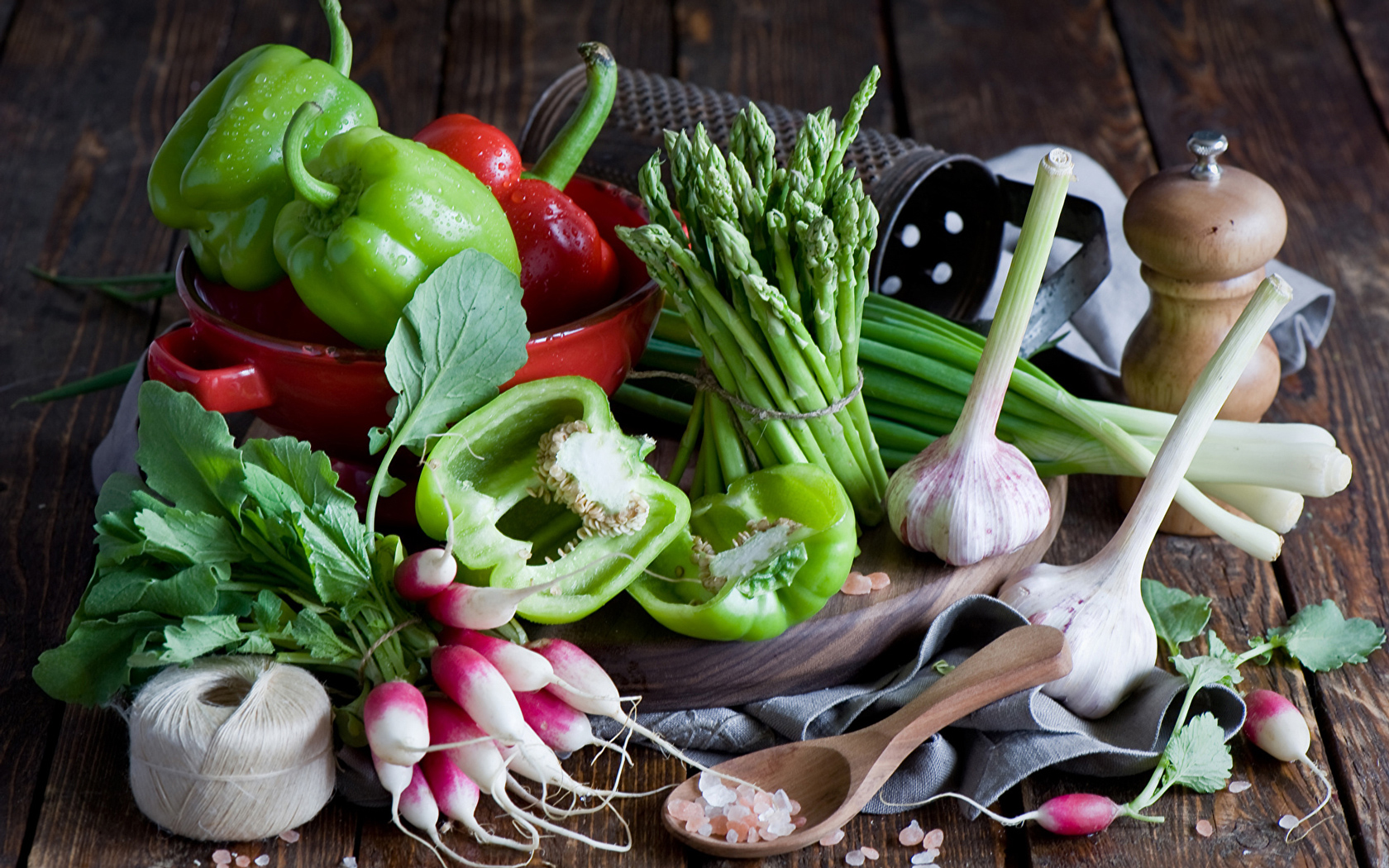
Many spices, herbs, and some fresh vegetables are considered spicy:
- Vegetables: eggplant, daikon, onion, chili pepper, radish, garlic.
- Herbs: basil, valerian, oregano, peppermint, rosemary, thyme, sage.
- Spices: asafoetida, cloves, mustard, garlic, cinnamon, bay leaf, pepper (all varieties), caraway, horseradish.
The best choice for introducing a spicy taste into your food is black pepper. It is preferable to chili pepper because, when used in moderation, it has a positive effect on all three doshas and can even be used as baby food in small quantities. Pepper is also used in the preparation of sweet dishes since its spiciness enhances the flavor of any food and aids in the digestion of complex meals and desserts.
During the warmer months, it’s highly important to reduce your intake of hot spices and spicy foods compared to colder periods in the year. Besides being integral to cooking, species are also widely used as medicine.
Let’s examine several good recipes for fighting colds and viruses using hot spices.
- Cinnamon helps with the flu, sore throats, and bronchial asthma. Pour a cup of boiling water over half a teaspoon of the spice, add a pinch of black pepper, and drink with honey. Consume one cup every 3-4 hours.
- Black pepper relieves colds and chills. Boil half a teaspoon of pepper in milk and add a pinch of turmeric. Consume once a day for 3 days.
- Cloves can be chewed at the first signs of a cold, sore throat, cough, or nasal congestion. They can also be added to tea.
- Asafoetida is useful for treating bronchitis. Mix a pinch of asafoetida with two teaspoons of honey and a quarter teaspoon of white onion juice. Take three times a day.
- Ginger is a key ingredient in calming tea (to which you can also add mint, lemon, and honey). Take it daily before bed.
Understanding tastes— their qualities, properties, and effects that arise after their consumption— makes it possible to adjust one’s diet in a way that fosters physical strength and emotional stability.
We wish you good health and discernment in your dietary choices!!
Bibliography:
- Ashtanga Hridaya Samhita.
- R. Svoboda. “Prakriti: Your Ayurvedic Constitution.”
- R. Svoboda. “Ayurveda: Life, Health, and Longevity.”
The views expressed are based on traditional Ayurvedic texts and do not constitute medical advice.