Warning: This article is rooted in the principles of Ayurveda and is intended for informational purposes only. It is not a substitute for professional medical advice, diagnosis, or treatment. Before making any changes to your diet or lifestyle, especially if you have a chronic condition, please consult your healthcare provider or a certified nutrition specialist.
Every food has its own specific flavor composed of six basic tastes (rasa), with one of them being predominant. Each of these tastes has its own effect: some increase the prevalence of doshas while others decrease it, so any excess or deficiency of tastes leads to an imbalance in the human body. Determining the predominant taste of a product helps to identify its effect on the physical body and psyche. If the food in our diet is varied and balanced, then the bitter taste is always present in the meals we prepare.
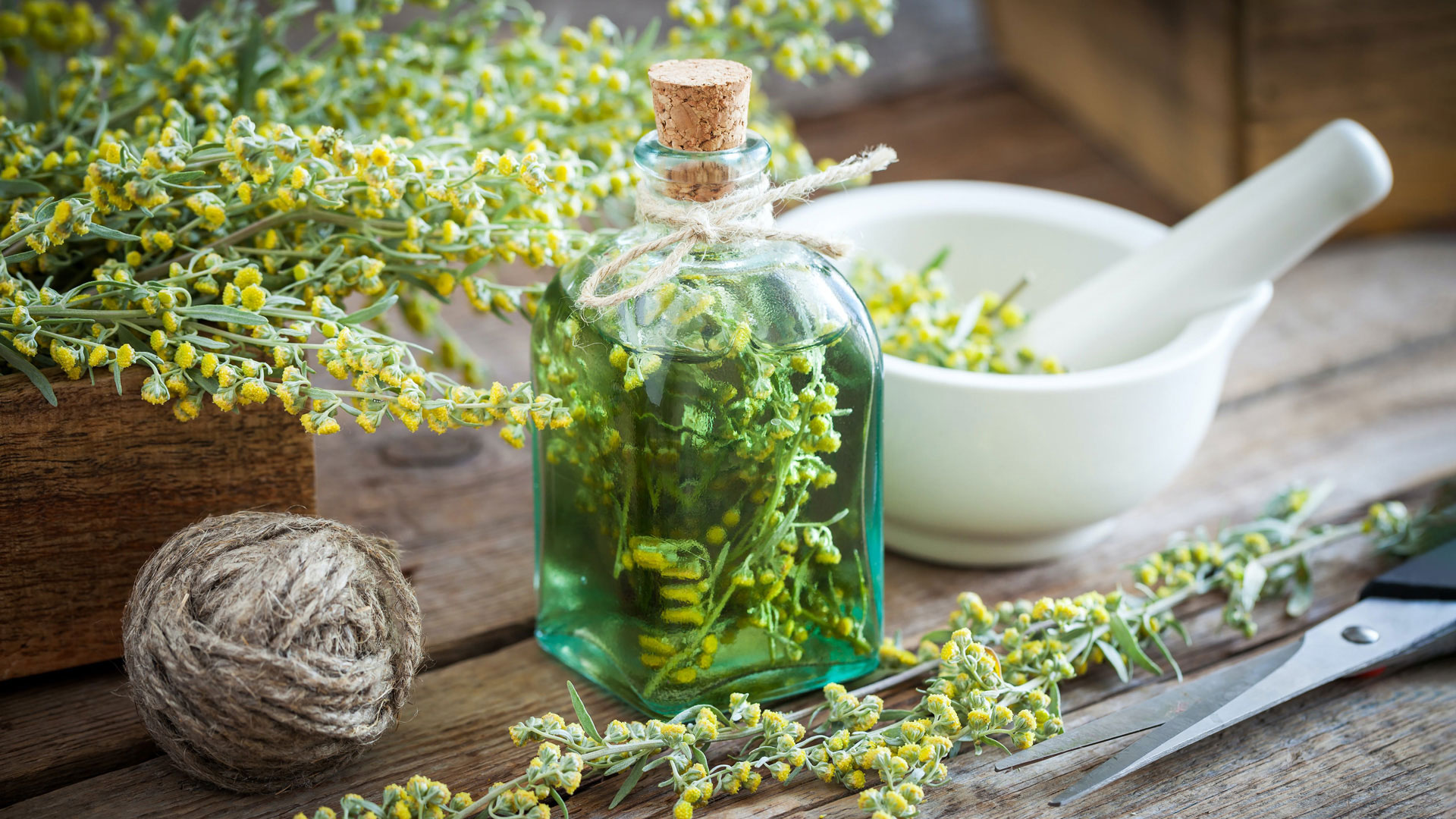
Bitterness: Ayurvedic properties
The taste of a product on your tongue is called “rasa.”
There are 6 distinct tastes in Ayurveda: sweet, salty, sour, spicy, bitter, and astringent. Every taste is formed by two elements (there are five in total: earth, water, fire, air, and ether).
Depending on its nature, a rasa can be:
- hot or cold (cooling);
- heavy or light;
- wet and dry.
In this article, we will examine the properties and characteristics of the bitter taste as well as its influence on the human body.
Ayurveda defines bitterness as a combination of the elements air and ether.
Its characteristics are as follows:
- cold;
- light;
- dry.
To maintain good health, a person needs food that contains all six tastes. These tastes, depending on proportion, either weaken or strengthen the doshas. The necessary amount of bitterness in the diet is determined by the doshas’ current state and how we want the taste to affect them.
The effects of bitterness are as follows:
- increases Vata;
- decreases Pitta;
- decreases Kapha.
It becomes clear that a lot of bitterness is needed to harmonize Pitta-dosha while Vata-type individuals only require a small amount of this taste in their diet.
Why bitterness affects our health
Ayurveda states that the bitter taste has the strongest effect on the doshas.
In excess, it can cause the following:
- dryness and depletion of body tissues, muscles, semen, and fat;
- restlessness, anxiety;
- fatigue;
- dry skin;
- dryness of the mucous membranes of the nose and mouth;
- diarrhea, constipation;
- dizziness;
- fainting.
Moreover, an excess of bitterness disrupts the balance of the doshas. It first disrupts the dosha that it increases, then the one that is decreased. This is one of the reasons for disease in the human body.
A lack of bitterness can cause digestive problems and impair bile flow, leading to intoxication of the body.
Therefore, to improve the functioning of the stomach and liver, bitter herbs and spices should be added to the diet. It works like this: as soon as a person tastes bitterness in their mouth, the digestive process is activated and bile is produced.
The medicinal properties of bitter substances help to cope with conditions that are harmful or pose a threat to our health.
The effects of bitterness on the body:
- boosts metabolism;
- eliminates ama (undigested wastes and toxins);
- cleanses the blood;
- improves bile flow;
- supports liver health;
- increases mental clarity;
- reduces sexual arousal;
- cures skin diseases;
- improves digestion;
- fills the muscles with energy and strength;
- relieves fever;
- improves appetite;
- dries out excess fat;
- reduces the amount of urine and stool;
- reduces swelling;
- lowers blood insulin levels;
- restores skin elasticity;
- neutralizes cravings for sweets;
- balances the six tastes.
The effects of bitterness on emotions
In addition to affecting the body, tastes also influence a person’s emotional state. In excess, bitterness causes feelings of insecurity, nervousness, sadness, and anxiety. A balance of the bitter taste controls emotions and gives a feeling of confidence, satisfaction, and acceptance/desire for change.

Psychological factors also influence one’s physical state and can cause the following dysfunctions in the body:
- Suppressed emotions throw the Vata-dosha off balance, consequently weakening the immune system.
- Sadness and grief weaken the lungs, complicating breathing and causing spasms, and may cause disease over the years.
- Chronic anxiety and dissatisfaction lead to diseases of the stomach, spleen, and liver. These are often accompanied by nausea and diarrhea.
Negative emotions such as sadness and anger are often cited as a cause of allergies. For this reason, decreasing negativity through a balanced diet, regular body cleansing, and detached observation of emotions is key to maintaining the body’s healthy state.
Foods with a bitter taste
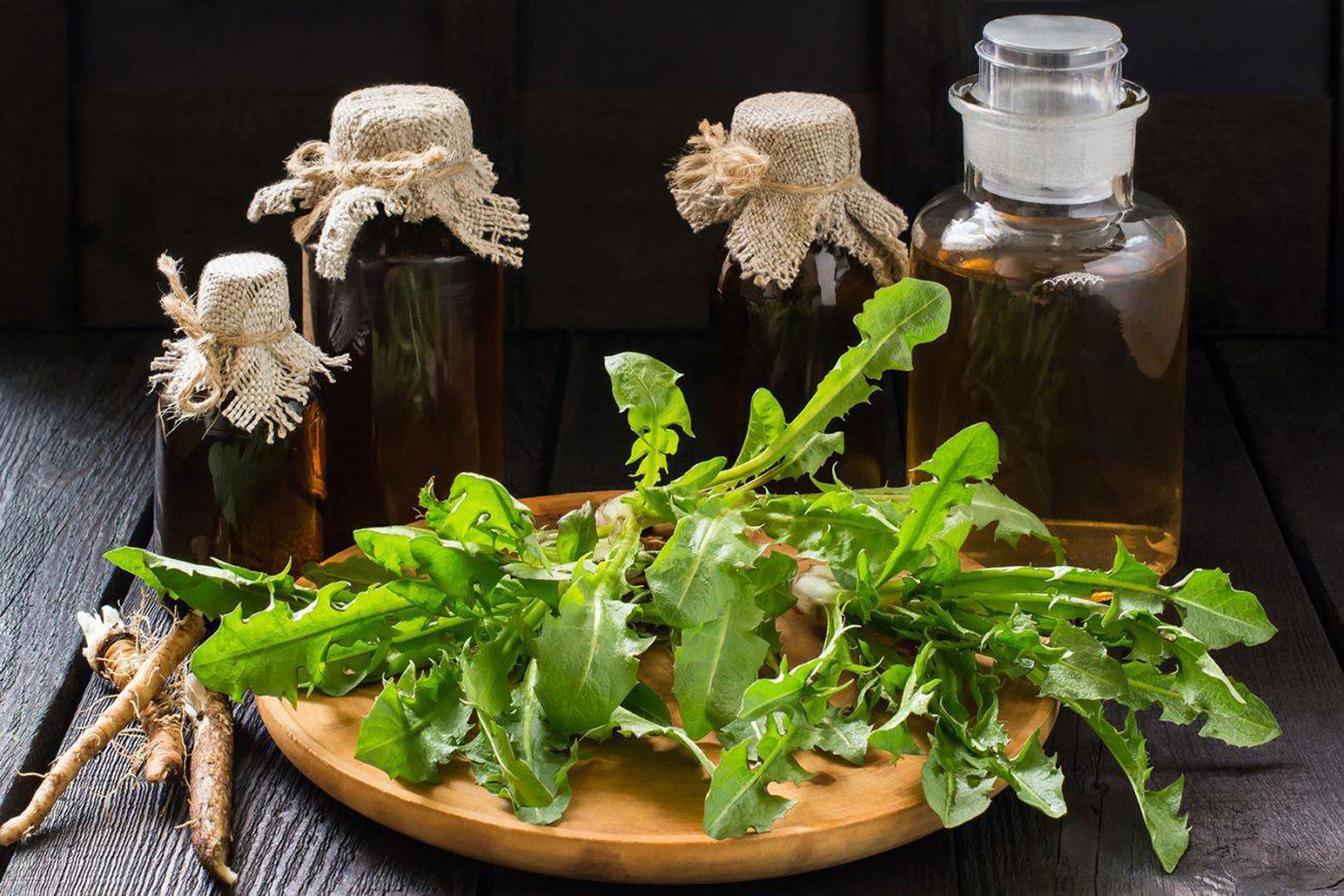
Flavors in food are rarely found in their pure form; more often, a combination of several flavors is present. The bitter taste exhibits its maximum healing properties precisely in this pure form, so this form should be used when treating symptoms of illness. “Pure” bitterness is found in bitter herbs such as aloe vera, gentian, dandelion/chicory roots, and centaury. Ayurveda recommends using pure bitterness primarily for treatment, only occasionally adding it to your diet.
List of bitter-tasting foods:
- herbs: wormwood, calamus root, rhubarb, ginger root, black peppercorns, burdock, yarrow, coltsfoot, plantain, tansy, cilantro, parsley, oregano, mustard, thyme, milk thistle;
- spices: cloves, saffron, basil, cumin, marjoram, mustard seeds, bay leaf, ground ginger, fenugreek, thyme;
- vegetables: eggplant, broccoli, radish, brussels sprouts and cabbage, artichoke, bitter melon, onion, daikon radish, horseradish;
- fruits: grapefruit, lime, any citrus zest;
- nuts, seeds: bitter almonds, walnuts, sesame seeds;
- olives;
- drinks: tea, coffee, chicory root, cocoa, chocolate.
The body needs bitterness less than it needs sweetness. However, a deficiency or excess of bitterness throws the doshas off balance while moderate use of bitter herbs and spices in the diet, on the contrary, helps restore balance.
Bibliography:
- David Frawley. “Ayurvedic Healing: A Comprehensive Guide.”
- Vasant Lad. “Ayurveda: The Science of Self-Healing.”
The views expressed are based on traditional Ayurvedic texts and do not constitute medical advice.