Warning: This article is rooted in the principles of Ayurveda and is intended for informational purposes only. It is not a substitute for professional medical advice, diagnosis, or treatment. Before making any changes to your diet or lifestyle, especially if you have a chronic condition, please consult your healthcare provider or a certified nutrition specialist.
Often referred to as "nature's perfect staple," potatoes have earned their reputation as the world's culinary cornerstone. Since their introduction centuries ago, these humble tubers have become deeply woven into the nation's gastronomic fabric. A global culinary darling, potatoes transcend borders and cultures. Their remarkable versatility allows them to shine as both supporting player and star ingredient. While historical debates once questioned their nutritional merit, modern appreciation for potatoes remains unquestioned. This article explores innovative potato preparations, time-honored recipes, and examines the vegetable's medicinal properties and health benefits.
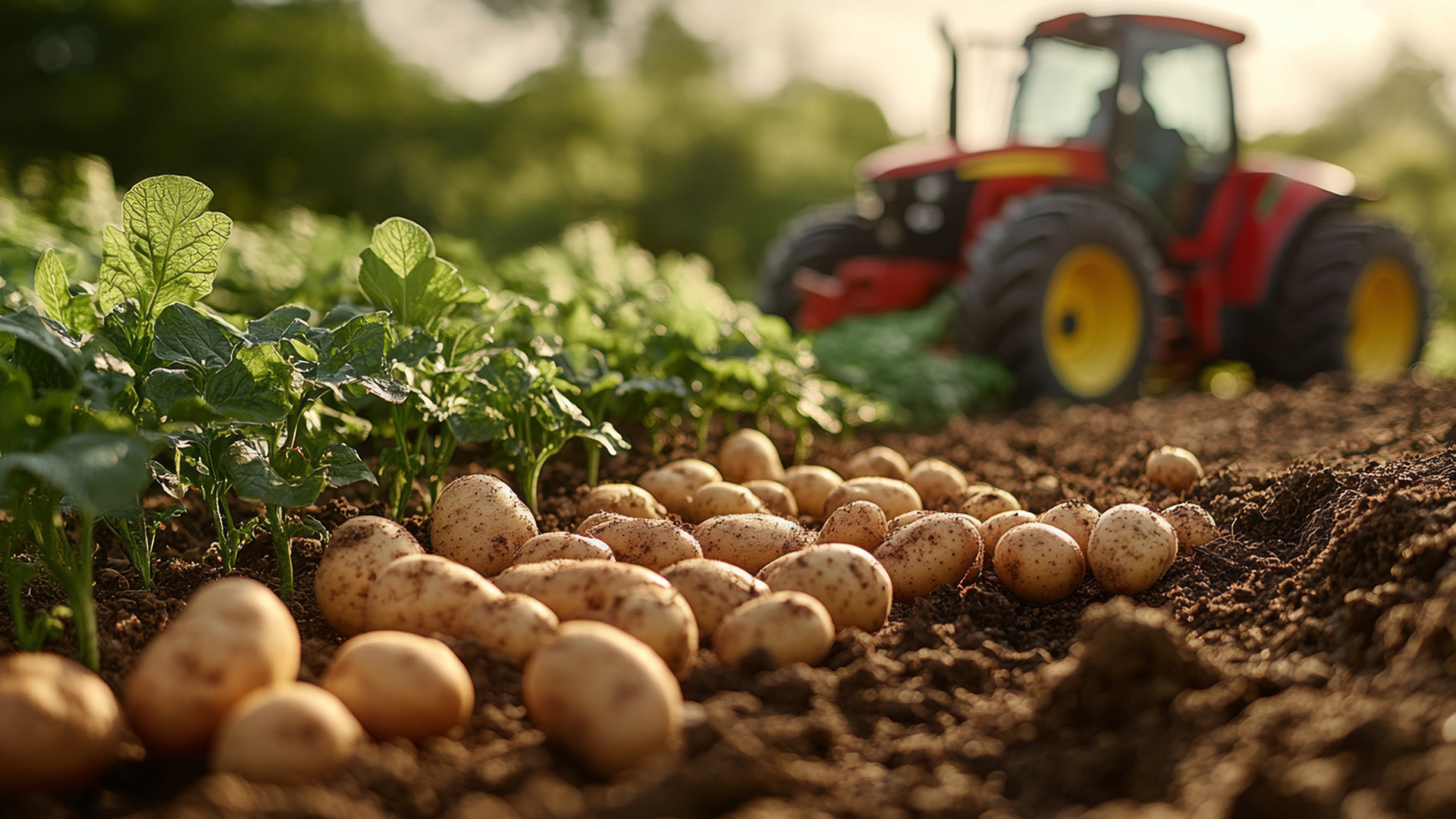
Botanical profile: The potato's ancient origins and biology
The potato's ancestral roots trace back to the Andean highlands of modern-day Bolivia, Peru, and Chile. Human cultivation began over ten millennia ago when indigenous communities first foraged wild varieties. Ancient harvesters unknowingly improved soil structure through their digging practices, while discarded tuber fragments created secondary growth cycles. This symbiotic relationship between human activity and plant evolution gradually produced larger, more abundant yields - marking the dawn of domesticated potatoes.
Following the Columbian Exchange, Spanish conquistadors transported potatoes to Europe where they initially gained popularity as ornamental plants. A period of suspicion followed, fueled by the plant's toxic nightshade relatives and accidental consumption of its poisonous berries rather than edible tubers. The potato endured further stigma as peasant fare before ultimately ascending to culinary prominence. French agricultural scientist Antoine-Augustin Parmentier played a pivotal role in rehabilitating its reputation through rigorous nutritional studies.
Russia's potato chronicle began with Peter the Great's Dutch imports. Mirroring Europe's experience, the tuber faced initial resistance before achieving widespread acceptance. Catherine the Great's agricultural reforms catalyzed its expansion, with potato fields eventually covering 1.5 million hectares by the late 1800s - a testament to its agricultural and cultural significance.
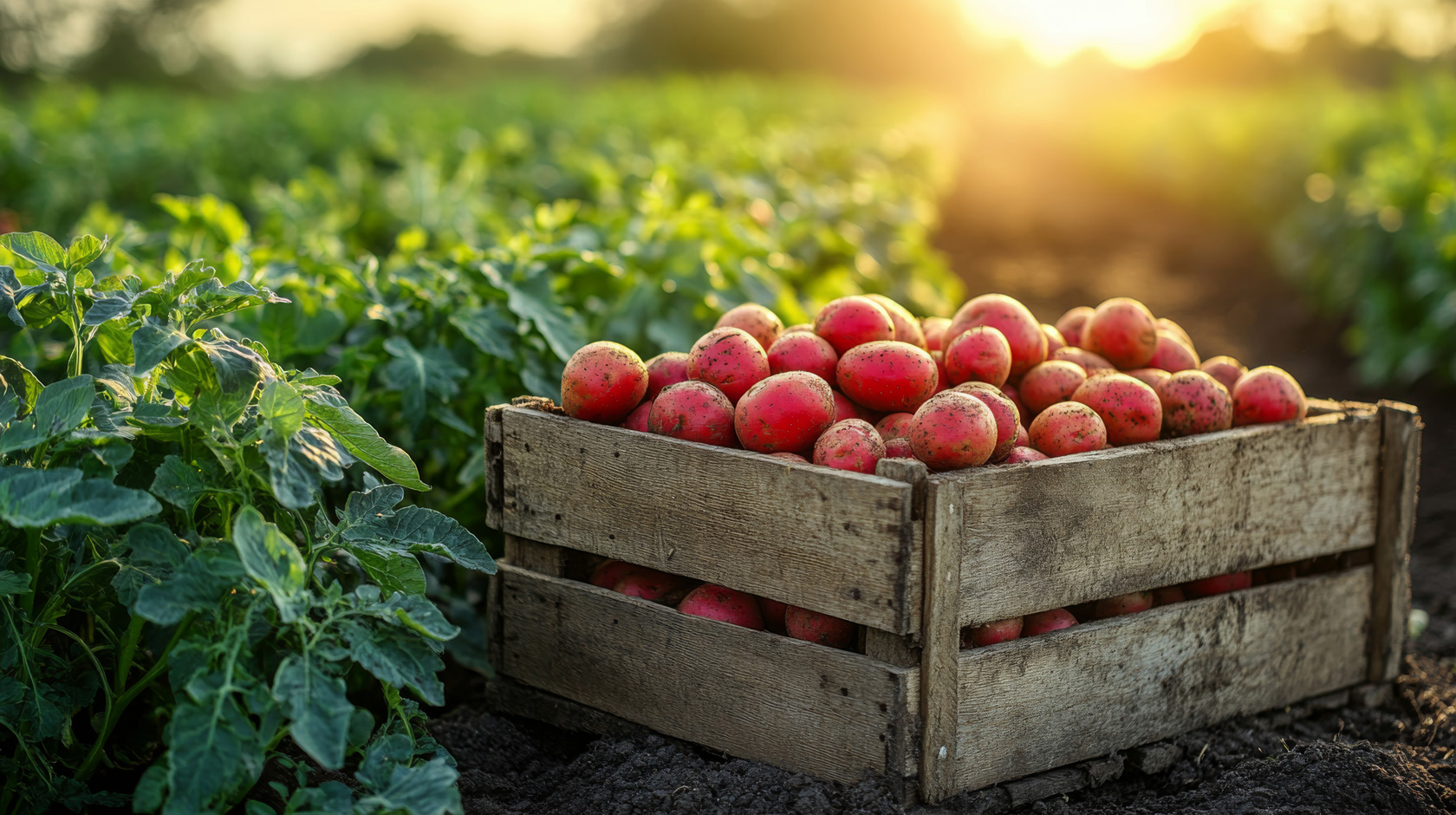
Modern agriculture boasts over 4,000 cultivated varieties worldwide. Today, potatoes rank among the planet's most vital crops alongside the great cereal grains. Grown across 130 nations, Russia favors cultivars like Gala's buttery texture, Red Scarlet's vibrant hue, Lady Claire's delicate flavor profile, and the versatile Colomba and Rozana varieties.
Botanical Profile of potatoes. Though technically a perennial tuberous plant, potatoes are cultivated as annual crops worldwide. They propagate through both vegetative means (using whole tubers or cuttings) and sexual reproduction via true seeds. The plant's morphology includes erect stems, compound leaves, delicate inflorescences, and a fibrous root system that develops specialized underground storage organs - the edible tubers we recognize as potatoes. Cultivar variations manifest in tuber quantity, size, shape, and pigmentation of both skin and flesh. For culinary applications, flesh coloration—ranging from snowy white to golden yellow or blush pink—serves as a primary quality indicator. The carotenoid-rich golden varieties particularly stand out for their superior flavor profile and nutritional density, commanding premium market prices. Depending on genetic factors, emergence occurs 15-30 days post-planting, with maturation periods spanning 50-120 days. Proper cold storage maintains tuber dormancy, preventing sprouting for six to seven months while preserving quality.
Paradox of potatoes: Nutritional benefits vs health considerations
Despite being a dietary staple for millennia, potatoes continue to spark debate among health professionals and nutrition-conscious consumers. This controversy stems largely from their notable starch content—comprising approximately 17.5% of the vegetable's dry matter (with total solids making up 23.7% of the tuber's composition).
Macronutrient profile per 100g serving:
- Energy: 73 kcal
- Protein: 1.9 g
- Lipids: 0.1 g
- Carbohydrates: 16.6 g (primarily complex carbs)
Micronutrient and phytonutrient composition:
- The significant potassium-magnesium synergy supports neuromuscular function and cardiovascular health, demonstrating cholesterol-modulating and blood pressure-regulating properties when consumed as part of a balanced diet.
- Bioavailable calcium-phosphorus compounds contribute to skeletal mineralization and bone matrix formation.
- Plant-based iron participates in hematopoiesis, helping prevent iron-deficiency anemia and its associated fatigue.
Potatoes deliver both soluble and insoluble fiber that promotes gastrointestinal health and sustained satiety. Their unique starch profile includes gastroprotective compounds that coat the gastric mucosa, alongside resistant starch that functions as a prebiotic substrate for beneficial colonic microbiota.
Evidence-based health benefits:
- Potent antioxidant compounds, including flavonoids and phenolic acids, combat oxidative stress and may reduce chronic disease risk
- An important alternative carbohydrate source for gluten-sensitive individuals, providing essential fibers and complex carbs
- Prenatal benefits through folate content, with additional relief from pregnancy-related edema and acid reflux
- Metabolic regulation through electrolyte balance and demonstrated benefits for integumentary system health
- Exceptionally low allergenic potential compared to other staple crops
Considerations regarding potato consumption:
- The potential drawbacks of potatoes are largely context-dependent—determined primarily by preparation methods and serving sizes. The vegetable becomes problematic when combined with fats, particularly through frying techniques (including deep-frying or creating crispy textures). While mashed potatoes may not suit all digestive systems, boiled or baked preparations offer nutritionally superior alternatives.
- Quality assessment is crucial—visible sprouts or green discoloration indicate the presence of solanine, a natural toxin that renders tubers unsuitable for consumption.
- Regarding frequency and portions: While daily consumption poses no immediate health risks, it offers limited nutritional diversity. Optimal dietary practice suggests approximately 300g daily as part of a balanced, individualized nutrition plan.
- For diabetic individuals, fried and mashed potato preparations should be avoided entirely, while other cooking methods may be permissible following medical consultation.
- Potatoes need not be excluded from weight management regimens, though excessive consumption—especially when prepared with added fats—can undermine dietary goals.
Ethnomedical applications feature several traditional potato-based remedies. The most prevalent include: 1) Steam inhalation therapy using boiled potatoes for respiratory relief, and 2) The therapeutic use of potato juice for gastrointestinal, cardiovascular, and genitourinary support—with additional applications in arthritis management and dermatological care. Professional medical guidance remains imperative before employing these traditional practices.
Ayurvedic perspective classifies potatoes as rajasic—foods that stimulate activity and passion. This classification suggests avoiding evening consumption. The vegetable's Kapha-increasing properties (mucus-promoting effects) warrant consideration. For high-heat preparations, ghee represents the optimal cooking medium due to its high smoke point and stable molecular structure.
Constitutional considerations: Potatoes generally harmonize with Vata and Pitta doshas. Kapha-dominant constitutions should practice moderation, with complete avoidance of mashed and fried preparations being advisable.
- The naturally sweet quality of potatoes pacifies Vata dosha, calming the nervous system while promoting emotional balance and relieving stress-related insomnia. For optimal benefits, always prepare with oil and enhance with digestive spices like onions, garlic, dill, cumin, black pepper, or nutmeg.
- Pitta types benefit from potatoes' cooling properties, which reduce both physical heat and emotional irritability. They particularly support hepatic, biliary, and cardiovascular health. Ideal preparations include boiling, baking, or stewing (served slightly cooled). Combine with cauliflower, carrots, or beets using ghee, while avoiding heating spices and preserved foods.
- Those with Kapha constitution should consume potatoes sparingly and avoid combining them with other cooling ingredients like dairy, cruciferous vegetables, refined carbohydrates, or sugars. Always serve piping hot with warming spices to counterbalance their heavy qualities.
Ayurveda's concept of "satmya" emphasizes consuming foods native to one's region and ancestral diet. If potatoes were part of your childhood nutrition, they can remain in your diet when prepared according to your doshic needs, seasonal requirements, and personal circumstances.
Culinary applications: Time-honored and innovative preparation methods
This remarkably versatile tuber stars in countless global dishes—appearing in everything from crisp salads and hearty soups to comforting stews and artisanal baked goods.
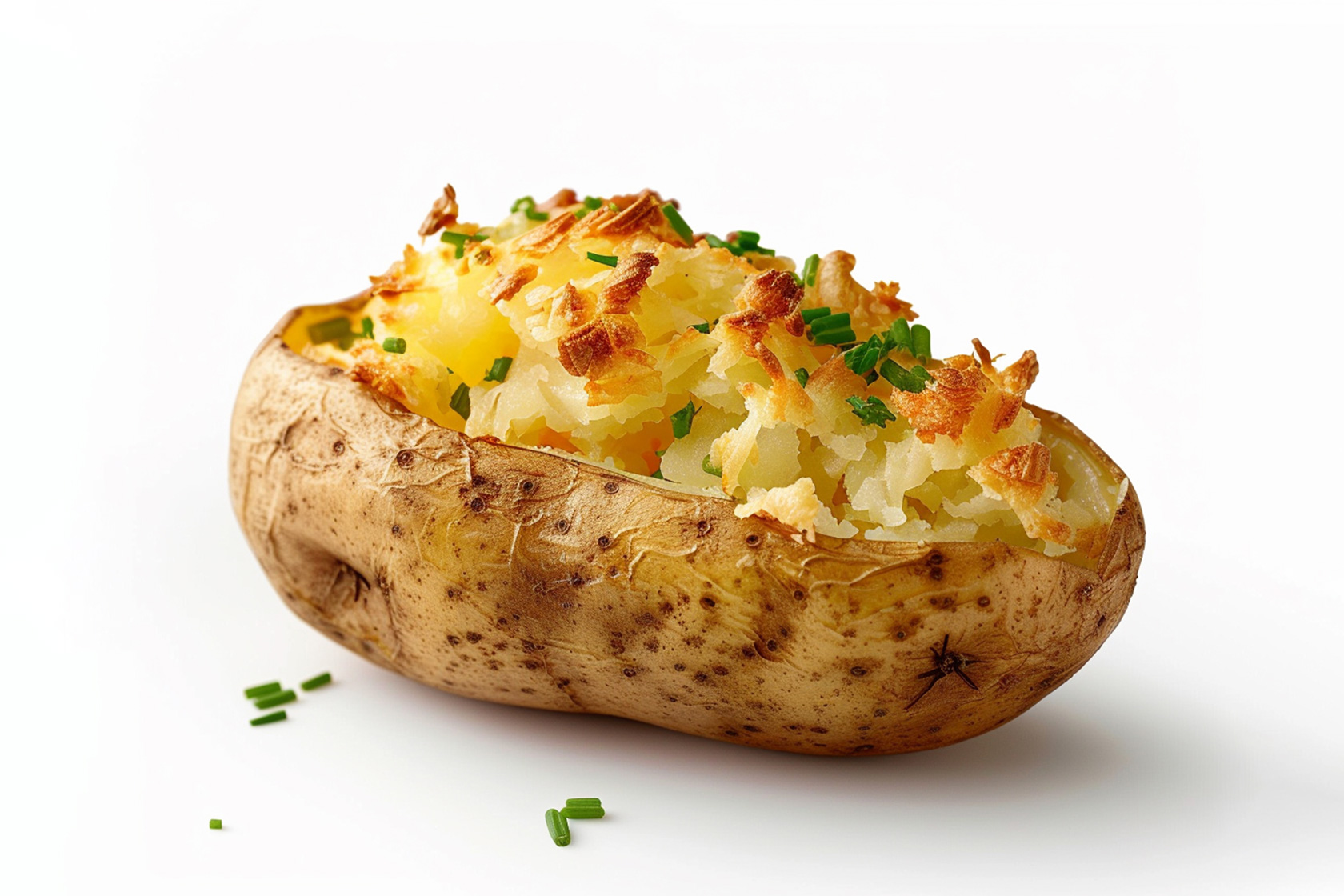
Gourmet baked potato gratin
Ingredients:
- Large baking potatoes — 4 (about 800g)
- Grated cheese — 200g
- Heavy cream (or whole milk) — 200ml
- Butter — 70g
- Fresh chives/green onions — 2 tbsp chopped
- Sea salt, pepper, and preferred spices to taste
Preparation:
- Thoroughly scrub potatoes and bake at 200°C (400°F) for 45-60 minutes until fork-tender. Let rest until cool enough to handle, then slice horizontally.
- Carefully scoop out the flesh, leaving a 1cm (½-inch) thick shell intact.
- In a bowl, combine the potato flesh with ¾ of the cheese and all cream. Whip to a smooth consistency, then season generously with salt, pepper, and herbs.
- Generously fill potato shells with the mixture, top with remaining cheese and small butter pats.
- Broil on high for 3-5 minutes until achieving a perfect golden crust.
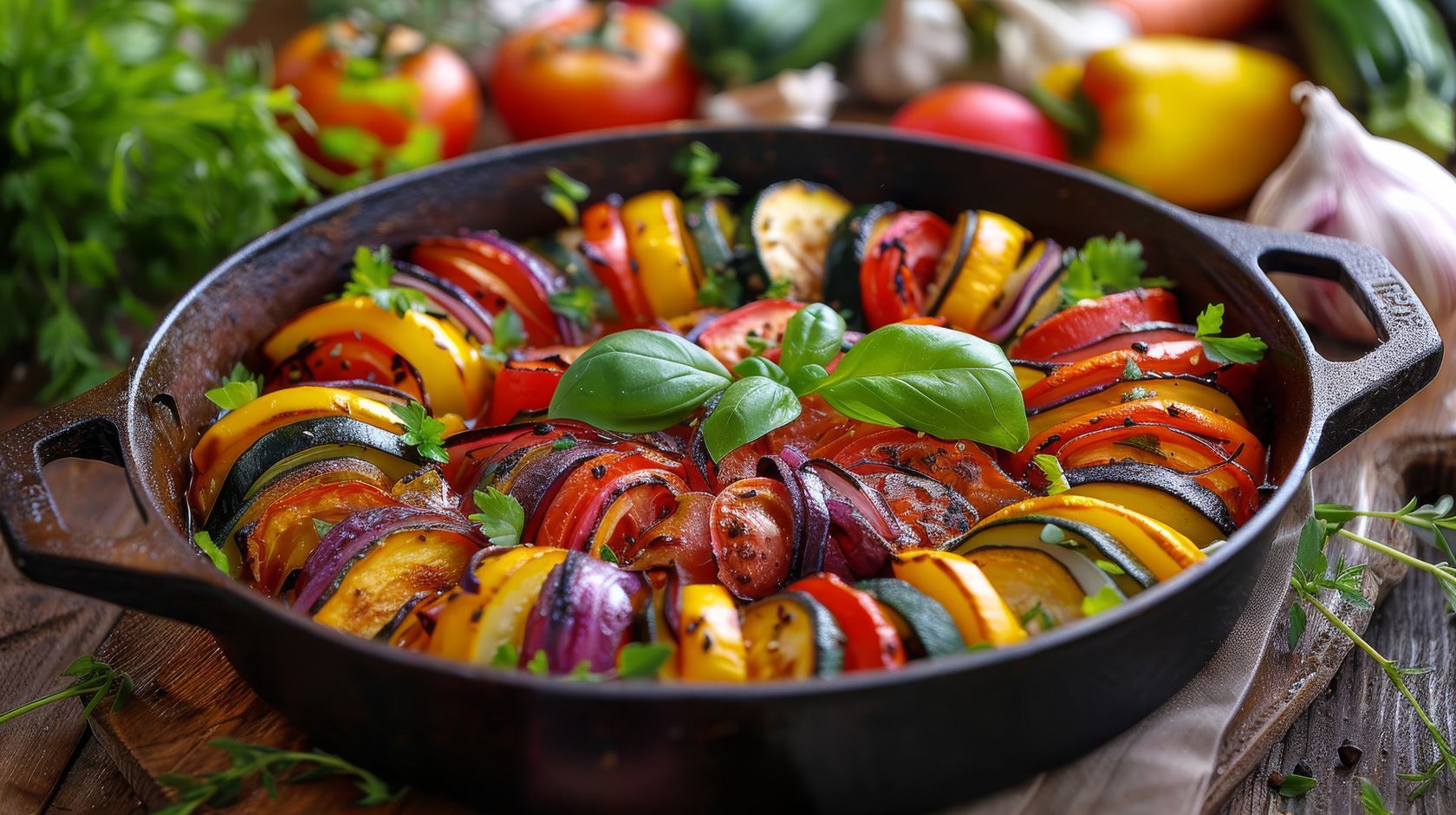
Provençal vegetable ratatouille with potatoes
This refined interpretation elevates the classic French dish with seasonal potatoes—equally suited for weeknight dinners and celebratory gatherings.
Ingredients (for 26cm/10-inch round baking dish):
- Potatoes — 4 medium (400g), sliced 5mm thick
- Ripe tomatoes — 8 (mix varieties for complexity)
- Red and yellow bell peppers — 2, deseeded
- Carrot — 1, julienned
- Eggplant — 1, sliced
- Zucchini — 1, sliced
- Garlic — 1 large clove, minced
- Shallot — ½, thinly sliced
- Dried rosemary — 1 tsp, crushed
- Dried thyme — 1 tsp
- Salt and black pepper
- Extra virgin olive oil
- Optional: cheese for finishing
Preparation method:
- Prepare the base sauce: Finely dice peppers, carrot and half the tomatoes. In a skillet, sauté shallot and garlic in olive oil until translucent. Add diced vegetables and herbs, cooking until softened (about 5 minutes). Purée the mixture when cooled and spread in baking dish, reserving 5 tablespoons.
- Artfully arrange the sliced vegetables in concentric circles over the sauce. Drizzle with reserved purée and a thread of olive oil.
- Bake at 180°C (350°F) for 30 minutes until vegetables are tender. For added richness, scatter with cheese during the final 5 minutes.
May these culinary explorations inspire you to transform simple, nourishing ingredients into memorable dining experiences that delight the senses while honoring your wellbeing.
References:
- R. Svoboda. "Ayurveda: Life, Health and Longevity".
- M. Nevelson. "Ayurveda: The Delicious Path to Health".
- A. Smith. "Ayurvedic Recipes: Harmony of Five Elements".
The views expressed are based on traditional Ayurvedic texts and do not constitute medical advice.