Warning: This article is rooted in the principles of Ayurveda and is intended for informational purposes only. It is not a substitute for professional medical advice, diagnosis, or treatment. Before making any changes to your diet or lifestyle, especially if you have a chronic condition, please consult your healthcare provider or a certified nutrition specialist.
Today, many nutritionists have conflicting opinions on bread and grains. Some encourage us to give up bread entirely, while others recommend consuming home-baked goods. Different types of grains are also subject to debate: some experts recommend moderating their consumption, others argue against limiting one’s diet. Understanding this isn’t easy, but it’s essential, especially for those seeking a healthy lifestyle and proper nutrition.
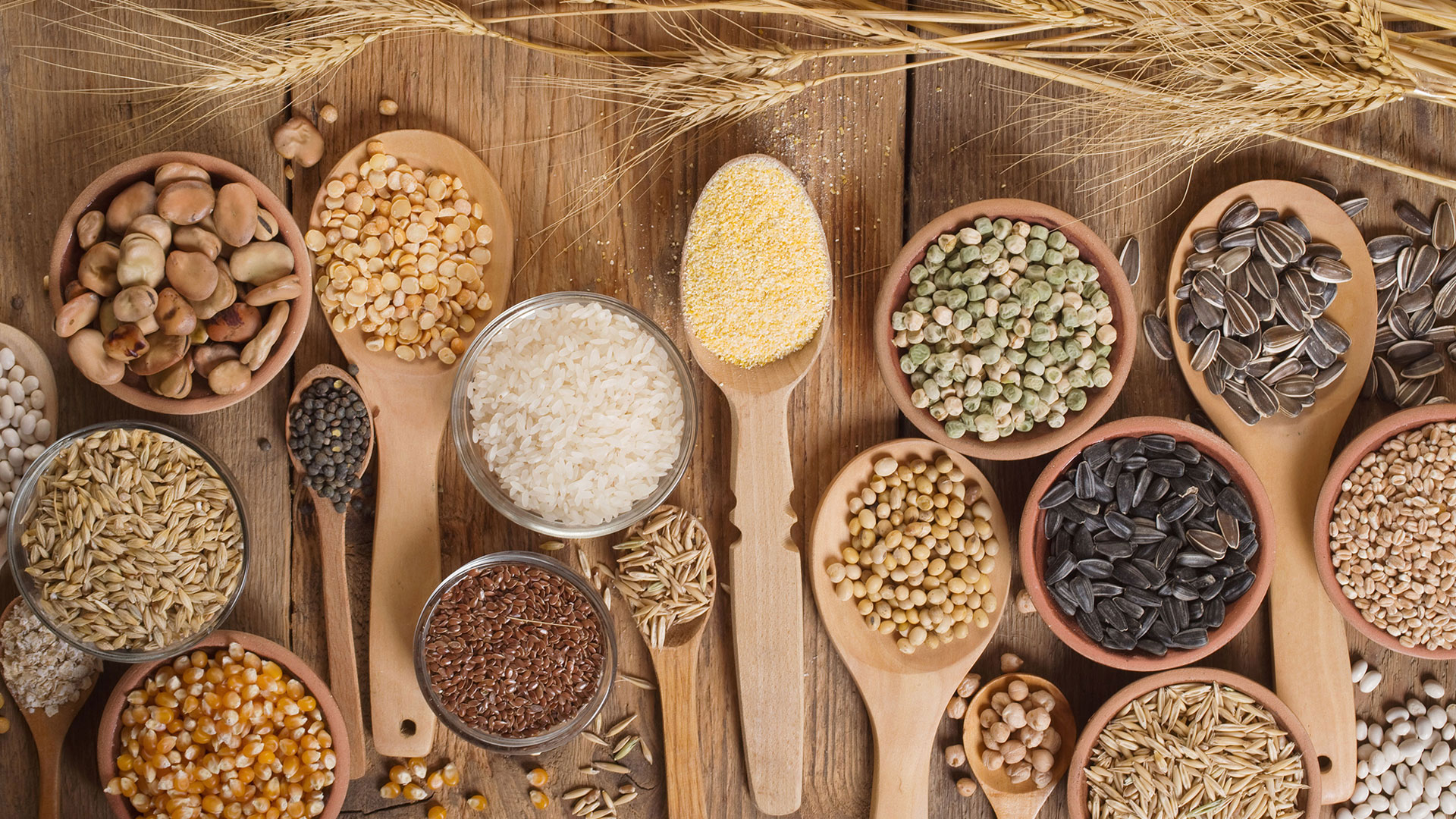
Grains: benefits and harm
Today, people have access to a vast array of grains. Rice is by far the most popular grain, in Western and Indian cuisine alike. Many healthy eaters also enjoy wheat or oats. This love of grains is not accidental– each grain is a true treasure trove of beneficial vitamins and minerals.
All grains, without exception, are rich in vitamins A and E and contain sufficient amounts of calcium and magnesium. For example, a serving of oatmeal can easily replenish phosphorus in the body.
It’s impossible to describe the health benefits of every grain, let alone cover them from both Western and Eastern perspectives. Therefore, we will focus on the most popular and widespread crops: rice and wheat.
Let’s start our conversation with rice. Archeological excavations reveal that rice became a part of the human diet approximately 9,000 years ago. Beginning its triumphant march in the East, rice has conquered cuisines around the world and become a favorite side dish. Today, in terms of production and consumption, rice surpasses many of its grain competitors.
The main reason for controversy about the harmful effects of rice is its high carbohydrate content. Western doctors believe this to be somewhat detrimental to human health, causing constipation; however, this can be easily avoided by eating rice no more than 2-3 times per week. People prone to weight gain should avoid excessive rice consumption for the same reason— high carbohydrate content. Western scientists have also found that this grain can accumulate arsenic through the soil, but thoroughly washed rice, combined with proper cooking methods, will prevent this problem. It’s also interesting to consider rice from the perspective of the once-popular separate diet, proposed by the renowned nutritionist Herbert Shelton. His experiments revealed that rice, when combined with meat dishes, leads to gastrointestinal disturbances: it digests slowly and often contributes to flatulence. Shelton also noted that rice combined with meat can lead to rapid fatigue. Therefore, if you are not a supporter of plant-based diets, consider the fact that a serving of pilaf (rice cooked in broth and mixed with meat) can negatively affect your wellbeing.
What does Ayurveda think about rice? How does it respond to the fact that every Indian kitchen has a rice dish? Ayurvedic specialists believe that half of your daily diet should include rice or other grains. The main benefit of rice, according to Ayurveda, is its ability to balance all three doshas. Rice is considered a sattvic food: it has a sweet taste and cooling energy, easily satisfies hunger, and gives the body a feeling of fullness and energy. This vipaka (post-digestive effect) makes the grain very popular throughout India, but this does not apply to fast-cooking, pre-packaged rice. Still, Ayurvedic doctors are confident that well-cooked rice will not cause harm to the body. Rice is especially beneficial for Vata and Pitta types, and is recommended in moderation for Kaphas. However, Ayurveda recommends avoiding brown rice as it is difficult to digest and increases heat in the body.
Having discussed rice, let’s transition to wheat. Wheat groats are rich in vitamins E and B but from a medical perspective, they are strongly contraindicated for individuals with diabetes or ulcers. They can also be harmful for those with gluten intolerance. For everyone else, this product is a wonderful source of fiber, minerals, and a whole list of beneficial antioxidants.
Ayurveda and wheat are long-time friends. According to this ancient science, wheat pacifies Vata and Pitta, increasing Kapha in the body. Its consumption improves skin tone, increases body weight, provides strength and energy, and heals ulcers or wounds. In Ayurveda, wheat is also beneficial for those recovering from fractures or other injuries.
Overall, Ayurveda considers grains to be wholesome and healthy foods. Grain dishes hold a key place in the Ayurvedic diet but, as with other foods, moderation is key. Combine the knowledge of past physicians with modern discoveries in dietetics to ensure that rice and grains do not harm your health.
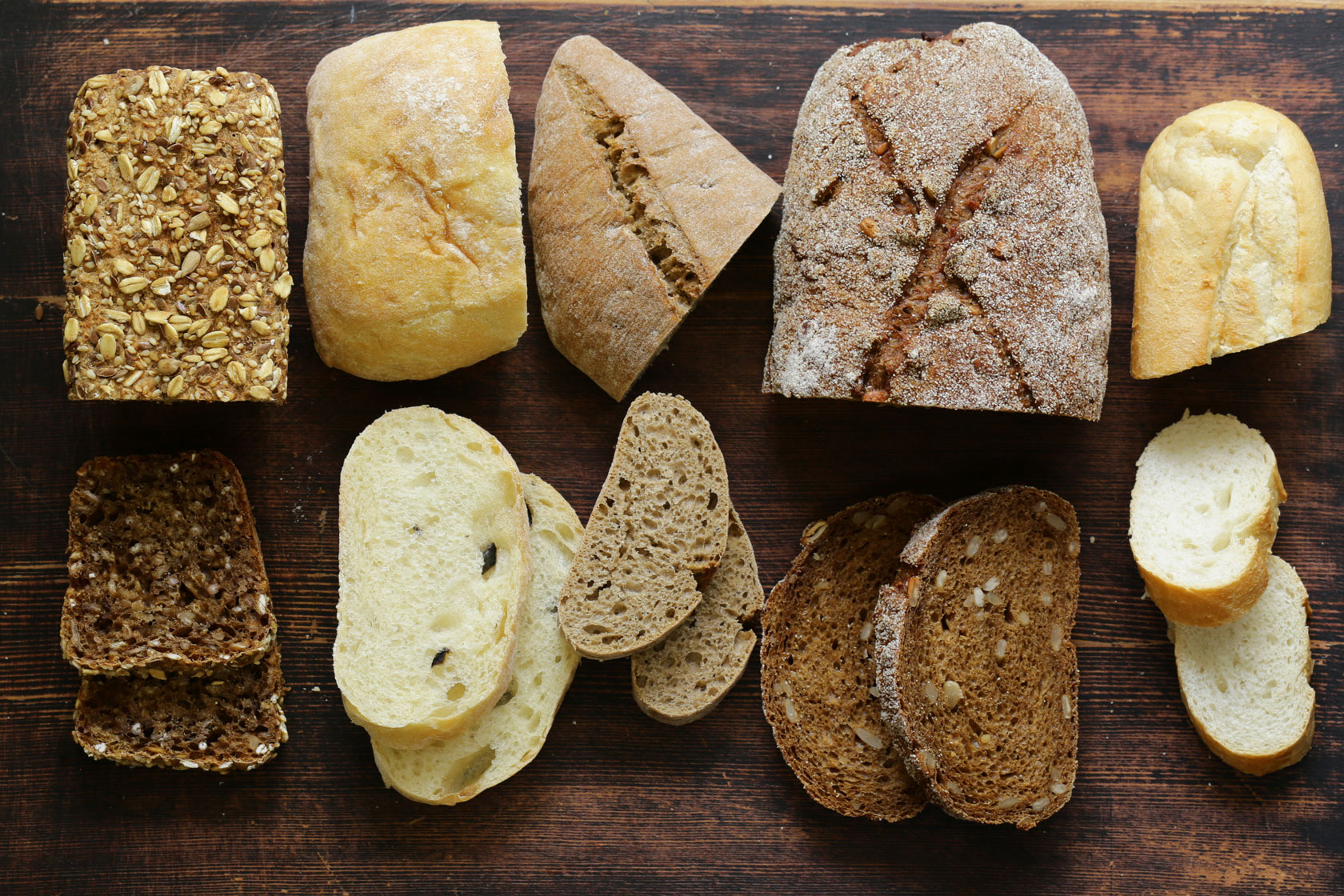
Ayurveda’s view on breads and grains
When discussing grains, it’s hard not to mention a closely related product: bread. It has been said since ancient times that “bread is the head of everything,” but this attitude has somewhat changed today. This is primarily due to the low quality of products sold in stores. Bread is beloved and respected not only in our country but also in India, as can be easily verified: just delve into the famous yogic treatise, the Gheranda Samhita. Chapter five offers the following dietary instructions for everyone embarking on the challenging yogic path: “Food for a yogi: rice, barley, or wheat bread; string beans – clean and without pods.”
As you can see, the aforementioned rice and bread form the basis of the yogic diet, and string beans, a good source of protein, are included as well.
However, from the perspective of Ayurveda and yoga, bread is a homemade flatbread rather than a typical loaf. It is baked without yeast and uses whole wheat flour.
Here’s how Ayurvedic sources describe bread: “A thin flatbread made from wheat flour and water, cooked in a dry frying pan and finished on an open fire, is called chapati. This bread improves attitude and increases body mass by nourishing body tissues. It pacifies Vata while increasing Kapha, and is suitable for those with strong digestive fire.”
The main advantage of chapatis is that they’re easy to make at home. These flatbreads, best made with wheat or barley flour, are a healthy alternative to store-bought bread.
Ayurveda’s recommendations don’t stop there: specialists believe that flour for homemade bread should be selected based on the body’s condition. It’s best to consult a specialist who will examine you, but if this isn’t possible, remember the following rule when selecting flour: wheat increases Kapha, making it vital for Vata and Pitta types but not recommended for Kaphas. Wheat should be avoided if you are ill, overweight, or have a runny nose. Excess Kapha will lead to fatigue, depression, and unnecessary mucus accumulation in the body.
People with Vata constitution should avoid barley grain and flour, but Kaphas and Pittas can use it to create excellent flatbreads. According to Ayurveda, barley heals wounds, strengthens the mind, and treats throat and skin conditions.
Barley flatbread is especially useful for coughs and blood diseases.
In addition to well-known chapati recipes, we recommended learning to make dosas– delicious Indian pancakes. Dosas come in classic varieties (atta dosa) or with various fillings, e.g. masala dosa. Dosa are a great afternoon snack for anyone who enjoys a healthy lifestyle; they are certainly a hit with kids and are easy to bring to school.
Ayurveda doesn’t strictly prohibit bread, but individuals prone to weight gain should be careful around these pancakes. Ayurveda advises strongly against store-bought products— not just bread, but other processed foods.
We also can’t forget about Western principles of healthy eating. Today, store shelves offer bread for every taste and price category, but broadly speaking, these products can be divided into two groups: wheat bread and whole grain bread. Both types (even if labeled as “for weight loss”) are caloric products due to their high carbohydrate content. Wheat bread contains 50g of carbohydrates per 100g, and whole grain bread averages 45g.
When buying bread, nutritionists encourage paying attention to what it’s made from. The ideal option is a yeast-free product made of whole grains with added bran. Sound familiar? That is exactly how Ayurveda views bread. In other words, modern science is totally on the side of this ancient healing system.
Doctors discourage bread for those with diabetes or obesity; bread is also out of the question for those with gluten intolerance. In the end, doctors advise against overindulging in bread. We would also like to add that the price of bread does not guarantee its quality: store-bought goods often contain additives like dyes and emulsifiers. When possible, choose homemade bread instead.
Finally, let’s revisit the renowned nutritionist of the past, Shelton. He repeatedly stated that bread is not compatible with meat products. Sandwiches of this kind are harder for our bodies to digest and are likely detrimental to health. However, even Shelton agrees that bread and butter make a perfect light breakfast.
In conclusion, it’s worth noting that although bread and grains play an important role in Ayurveda, even their consumption should be moderated. Remember the words from the Gheranda Samhita: “Food – pure, sweet, and mild – should fill the stomach halfway. This is a moderate diet.”
The views expressed are based on traditional Ayurvedic texts and do not constitute medical advice.