Warning: This article is rooted in the principles of Ayurveda and is intended for informational purposes only. It is not a substitute for professional medical advice, diagnosis, or treatment. Before making any changes to your diet or lifestyle, especially if you have a chronic condition, please consult your healthcare provider or a certified nutrition specialist.
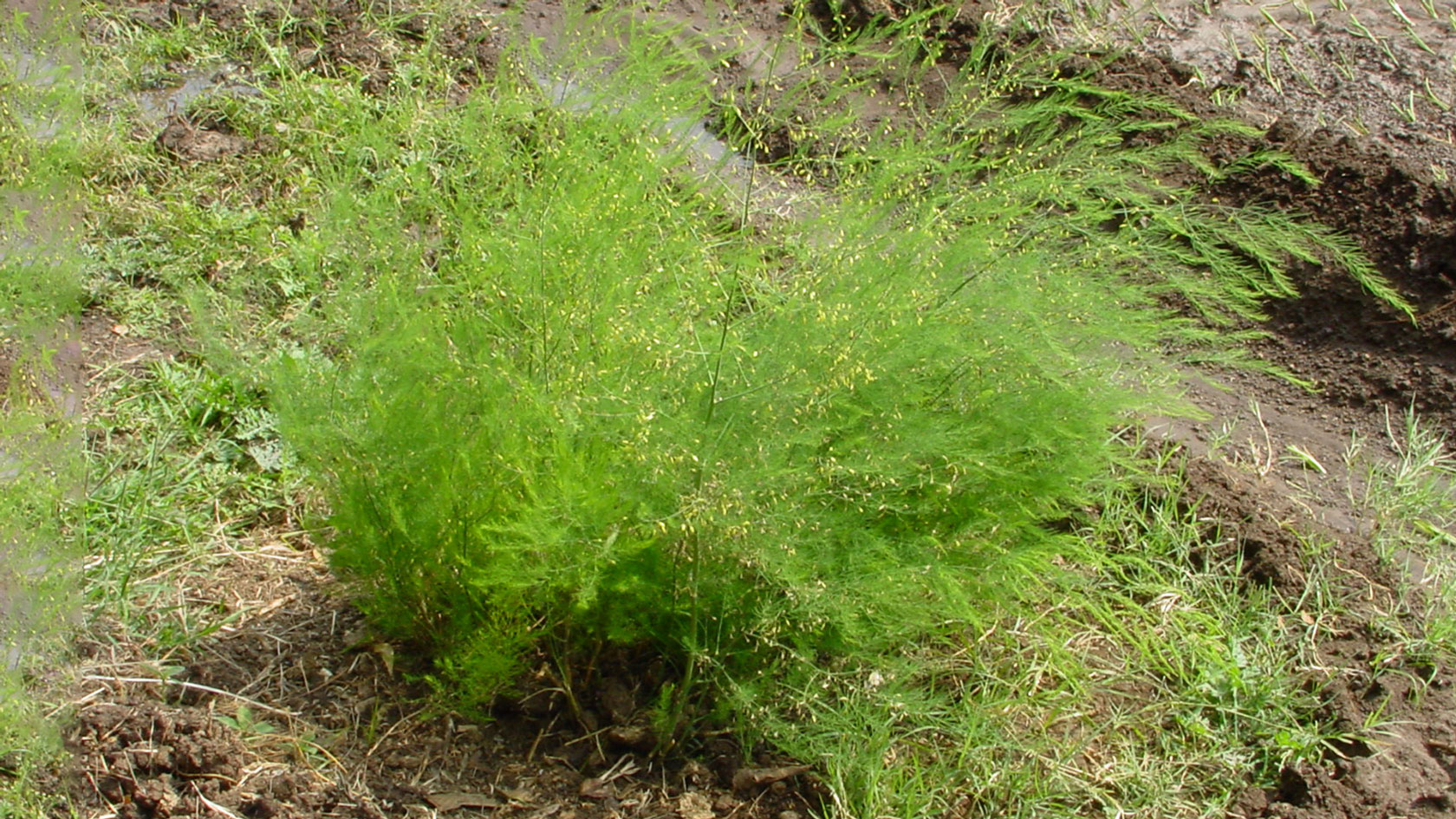
The Indian remedy shatavari is from India. This plant can be found in the humid rainforests of Sri Lanka and in the foothills of the Himalayas. Although shatavari grows best in the humid climates, it can survive even under arid conditions.
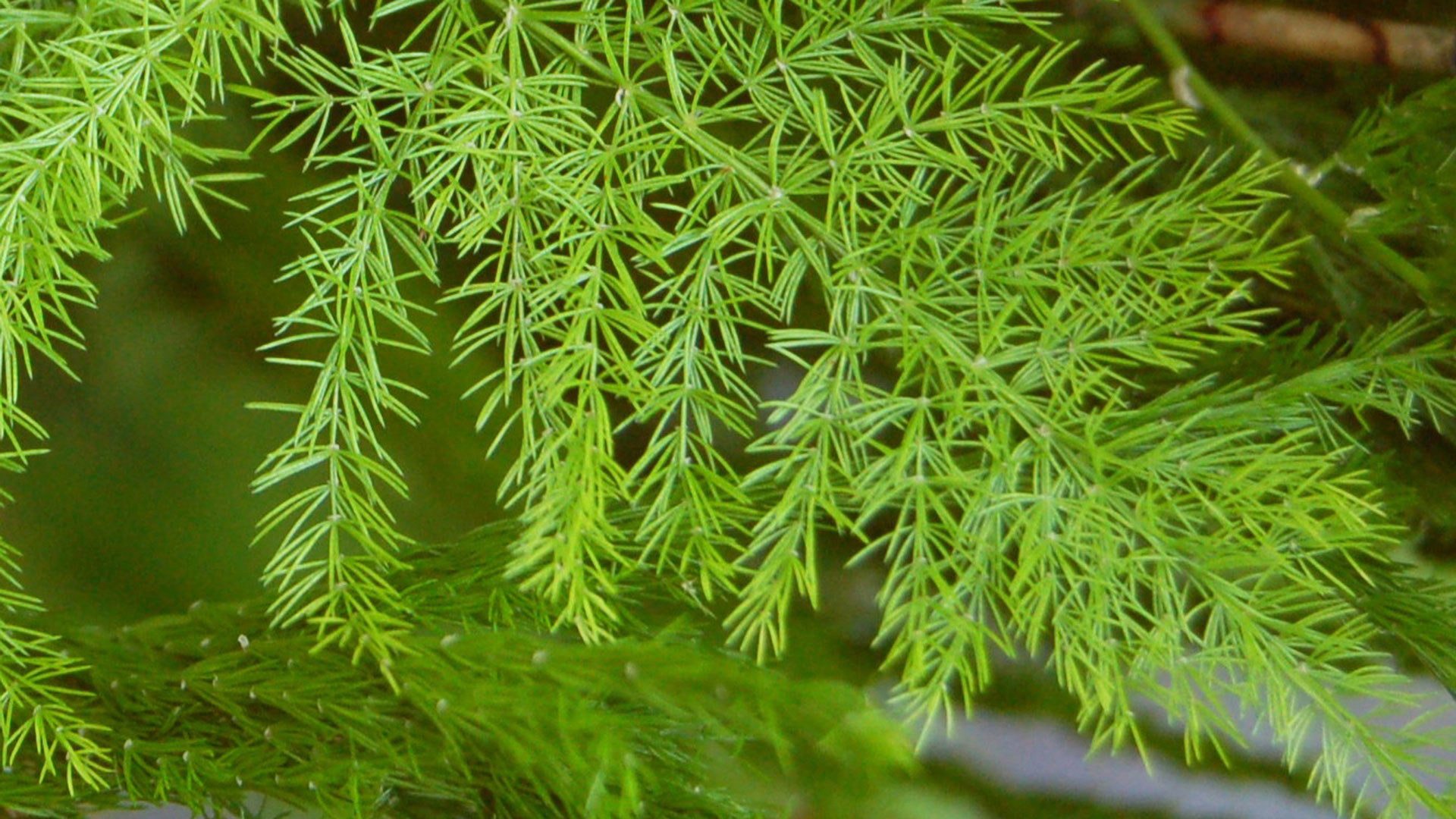
Shatavari, or Asparagus racemosus, has been used in Ayurveda for centuries to support the female reproductive system, as well as improve digestion in cases of excess pitta dosha. The name "shatavari" has two interpretations: "the one who possesses a hundred roots" or "she who has a hundred husbands." The latter refers to the traditional usage of the plant as a rejuvenating tonic for women. The properties of shatavari are intended not only for young women, but also for women in midlife and older age, who need support in moving comfortably through the natural phases of life, including menopause.
However, shatavari doesn't help only women. Its cooling effect andrich composition of vitamins and trace minerals can address a wide range of health issues in both women and men.
Composition and properties of the Shatavari plant and remedy
Let's look at situations in which Asparagus racemosus is recommended:
- To improve women's reproductive health.This is perhaps the most common and traditional use of Shatavari. The plant may help regulate hormonal imbalance and support women with polycystic ovary syndrome (PCOS).
- To reduce menopausal symptoms. A recent study showed that after 12 weeks taking Shatavari, women experienced a decrease in hot flashes and night sweats.
- Antioxidant effect. Antioxidants protect the body from damage caused by free radicals, including cellular structure damage and the development of serious diseases such as cancer. Antioxidants help reduce oxidative processes in the body, which can be a contributing factor in many health problems.
- For calming and relaxation. In Ayurveda, the plant is used to help with anxiety and depression. Although clinical studies in humans have not yet been conducted, results from animal studies on rats support this effect. This happens because Shatavari influences the production of serotonin and gamma-aminobutyric acid (GABA), both of which play a role in the development of anxiety in rats and humans.
- To support health during pregnancy and breastfeeding. During lactation, Shatavari stimulates the production of galactagogue, a substance that promotes enhanced milk supply.
Other uses of shatavari include:
- Increasing diuretic activity
- Ring blood sugar levels
- Relieving cough symptoms
- Treating diarrhea
- Improving conditions related to gastric ulcers
The main active components of Asparagus racemosus are steroidal saponins, isoflavones, asparagamine, racemosol, polysaccharides, vitamins A, B1, B2, C, E, magnesium, phosphorus, calcium, iron, and folic acid that are present in the roots. Other important chemical components of shatavari include essential oils, asparagine, arginine, tyrosine, flavonoids (kaempferol, quercetin, and rutin), resin, and tannins. These are well-known Ayurvedic rasayanas, which help prevent aging, increase longevity, enhance immunity and cognitive functions, and promote vitality and energy. Traditionally, shatavari is used for nervous disorders, dyspepsia, tumors, and inflammation.
Shatavari — directions for use
Powder (churna), tablets, or liquid extract are the main forms of the remedy. The most common method of use is churna. The taste of the herb stimulates digestion and signals the body to activate its own supporting mechanisms.
Shatavari churna is taken in doses of ¼ to ½ teaspoon, mixed with a glass of warm milk and honey (optional). Sometimes shatavari is prepared in ghee with other herbs to enhance its effects.
Shatavari in tablets is easier to use, especially while travelling or if you don't like the taste of churna. Tablets can also be taken with a glass of warm milk or water.
Liquid extract is an alternative method of taking shatavari. This form is convenient, easily absorbed, and has a long shelf life.
Contraindications for use
Shatavari belongs to the asparagus family, so it should be avoided by anyone allergic to asparagus.
Ayurveda advises against using shatavari in cases of excess kapha, nasal congestion, or a high accumulation of toxinxs.
Caution is required in cases of estrogen sensitivity, tumors, or fibroids asthe plant may stimulate the growth of new tissue.
Shatavary has been used as a medicinal herb for centuries. However, there are currently no clinical data confirming its use as a treatment. While consuming the herb in small amounts appears to be safe, taking it during pregnancy or in large doses may cause unwanted side effects. It is best to consult a physician before taking it and to determine the appropriate dosage.
The views expressed are based on traditional Ayurvedic texts and do not constitute medical advice.