Warning: This article is rooted in the principles of Ayurveda and is intended for informational purposes only. It is not a substitute for professional medical advice, diagnosis, or treatment. Before making any changes to your diet or lifestyle, especially if you have a chronic condition, please consult your healthcare provider or a certified nutrition specialist.
A sedentary lifestyle has a negative impact not only on a person's emotional state, but also on their physical condition. That is why one of the typical "ailments" of the modern world is scoliosis. Scoliosis is a fairly "young" disease, not because spinal curvature begаn to be diagnosed only recently, but because it is now diagnosed even in schoolchildren. According to Rospotrebnadzor (Federal Service for Surveillance on Consumer Rights Protection and Human Wellbeing), about 15% of identified cases occur in children under 13. Here it is worth paying attention to the word "identified", and how many people continue to live with scoliosis without even realizing the possible consequences of this condition.
Advanced scoliosis leads to the appearance of disc protrusions, and, as a result, to the formation of hernias. Few people know that first- and second-degree scoliosis can be successfully treated, and in more severe cases, it is possible to alleviate the condition and prevent complications. How can you help yourself and your child? Which asanas should you choose? This article will discuss these questions.
What is Scoliosis: Types and Degrees
Scoliosis is understood as a deformation of the vertebral (spinal) column. The deformation is characterized by a lateral curvature of the spine relative to its own plane. If scoliosis is not treated, it can lead to kyphosis and lordosis. In particularly advanced cases, the disease leads to the deformation of the rib cage, pelvis, and limbs.
Most often, scoliosis occurs during periods of skeletal growth. Quite often, spinal curvature appears as a result of injuries or has a congenital origin. Interestingly, statistically girls suffer from scoliosis 7 times more often than boys. The disease manifests itself between the ages of 4 and 6 and during adolescence (10–14 years).
Nowadays, scoliosis has several classifications, each taking into account a leading feature of the disease.
- Structural Scoliosis is a spinal curvature accompanied by lateral rotation (torsion) of the vertebrae.
- Non-structural Scoliosis is a type in which the curvature occurs without other structural changes.
There is also another classification based on the cause:
- Postural Scoliosis - as the name implies, is associated with posture problems. It is successfully treated with physical exercise that includes forward bends.
- Reflex Scoliosis - appears when a person adopts forced positions due to back pain.
- Compensatory Scoliosis - develops in people with legs of different lengths.
- Hysterical Scoliosis - the cause of this form is psychogenic trauma.
Scoliosis can also be classified by shape:
- C-shaped Scoliosis is characterized by a single curve;
- S-shaped Scoliosis - by two opposing curves;
- Z-shaped Scoliosis - by three lateral curves.
Scoliosis can either progress or remain stable. Today, doctors identify four stages of scoliosis. The first stage is imperceptible and is only diagnosed with the help of X-ray imaging, as the patient has no complaints, organs function normally, and the body retains its proportions. However, if treatment is not started, it can progress to the second stage, being a progressive disease. Therapeutic exercise can stop the process and even reverse it; massage and preventive check-ups with a surgeon 3-4 times a year are excellent support.
At the second degree of scoliosis, pain and rapid fatigue appear. The patient complains of shortness of breath during brisk walking and dizziness. Differences in shoulder height and spinal curvature are already noticeable when standing. Patients are often prescribed therapeutic procedures and braces. Physical exercise is not excluded; it is supplemented with breathing exercises and swimming.
At the third degree, back pain becomes constant, and the previously described spinal changes become more pronounced. The patient has difficulty performing everyday tasks and is forced to give up their usual lifestyle. Medications are added to the treatment methods described above.
The fourth degree of scoliosis is the most severe. People with this stage require constant care and cannot live a full life. In addition to constant pain, heart problems and congestion in the gastrointestinal organs appear. In some cases, a rib hump appears.
Can You Practice Yoga with Scoliosis?
Does yoga help with scoliosis? Studies conducted by physicians in the United States indicate that yoga, combined with manual therapy, is often used as one of the main methods for combating this ailment. Most often, doctors recommend practicing Hatha Yoga for scoliosis. This type of yoga initiates the body's natural rehabilitation process. A properly selected set of asanas returns the vertebral column to an optimal position and stops the progression of the disease.
Yoga exercises are most helpful at the first and second stages of spinal curvature. However, even at the third stage, improvements in the patient's condition can be noted. The main thing when starting the practice is to be prepared to experience pain, which inevitably arises during sessions. Performing asanas under the supervision of a qualified instructor stabilizes the back muscles, corrects posture, and lengthens the spine. In addition, regular yoga practice disciplines a person, improves emotional wellbeing, helps combat stress, and, most importantly, makes a person stronger not only physically, but also spiritually.
Today, yoga is used worldwide to treat not only scoliosis but also orthopedic conditions that result from spinal curvature.
Yoga should definitely not be practiced only at the fourth degree of scoliosis and during acute exacerbations of the disease. It is very important to understand that you should not expect quick results. Practice requires persistence and regularity. The world-renowned yogi Pattabhi Jois, in his book Yoga Mala, says that yoga is like a necklace (mala), where each bead is your desire - and yoga can fulfill any desire, but only when you devote yourself to it.
Your doctor can help determine the duration of your training. Do not try to practice for 1.5–2 hours right away. Start with 15-20 minutes, but practice every day at the same time. With scoliosis, each asana is recommended to be held for 10-20 seconds and repeated twice. Initially, practice under the supervision of an instructor; later, once you have experience, you can practice independently. The first results can be expected in two to three months. According to statistics, during this time, spinal curvature can be reduced by up to 30%. Everything depends on your effort and regularity.
Before starting practice, be sure to obtain your doctor's permission and approve the set of exercises - whether you create it yourself or an instructor proposes it. Remember that the goal is not to perform the most complex asana, but to stop the progression of the disease. Therefore, do not overload yourself; start with the simplest variations, gradually preparing the back for greater load.
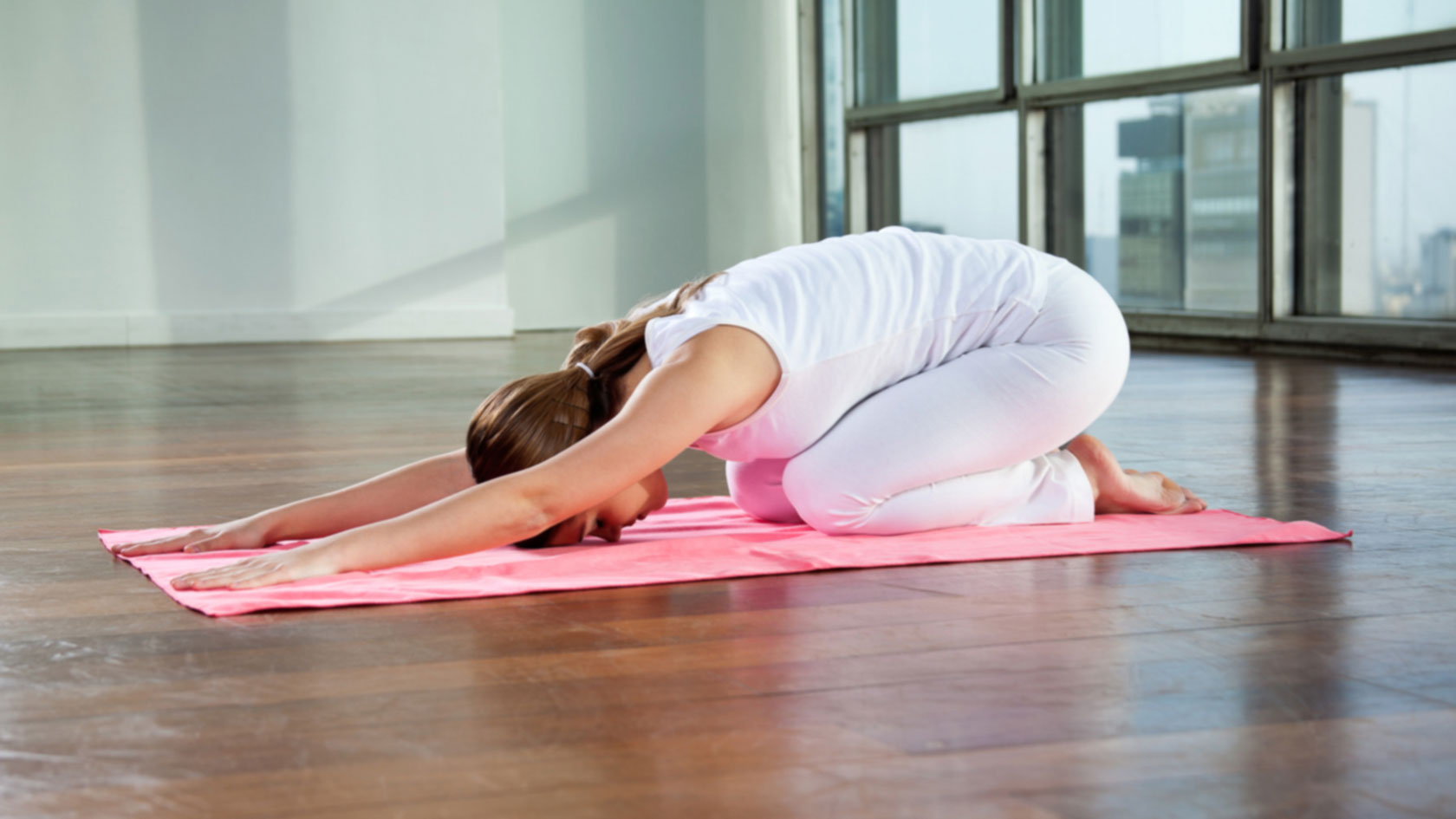
At the first and second phases of scoliosis, you should exclude dynamic exercises from your practice, starting with a warm-up. Which asanas should be performed? First and foremost, Tadasana (Mountain Pose), as it improves posture and prepares you for full practice. Be sure to include Ardha Navasana (Half Boat Pose) in your practice. This asana has a comprehensive effect on the body, strengthening it. Also add Dandasana (Staff Pose) to your routine; it can be performed against a wall, especially if you experience pain. You can rest in Balasana (Child's Pose), which relieves strain.
Yoga for C-Shaped Scoliosis
When performing asanas, start with the simplest variations; using yoga blocks and blankets is recommended.
All seated asanas can be performed with back support. Begin practice with the breathing technique called Nadi Shodhana. It is fairly simple to perform and will be an ideal start to the practice, bringing the body into balance.
Then move on to asanas; starting with Marjariasana (Cat Pose). Do not hesitate to use props (supportive tools). Repeat the exercise 15-20 times. Next, make it more challenging: on the exhale, extend one leg back, then bring the knee to the forehead. Repeat the exercise 10-15 times for each leg.
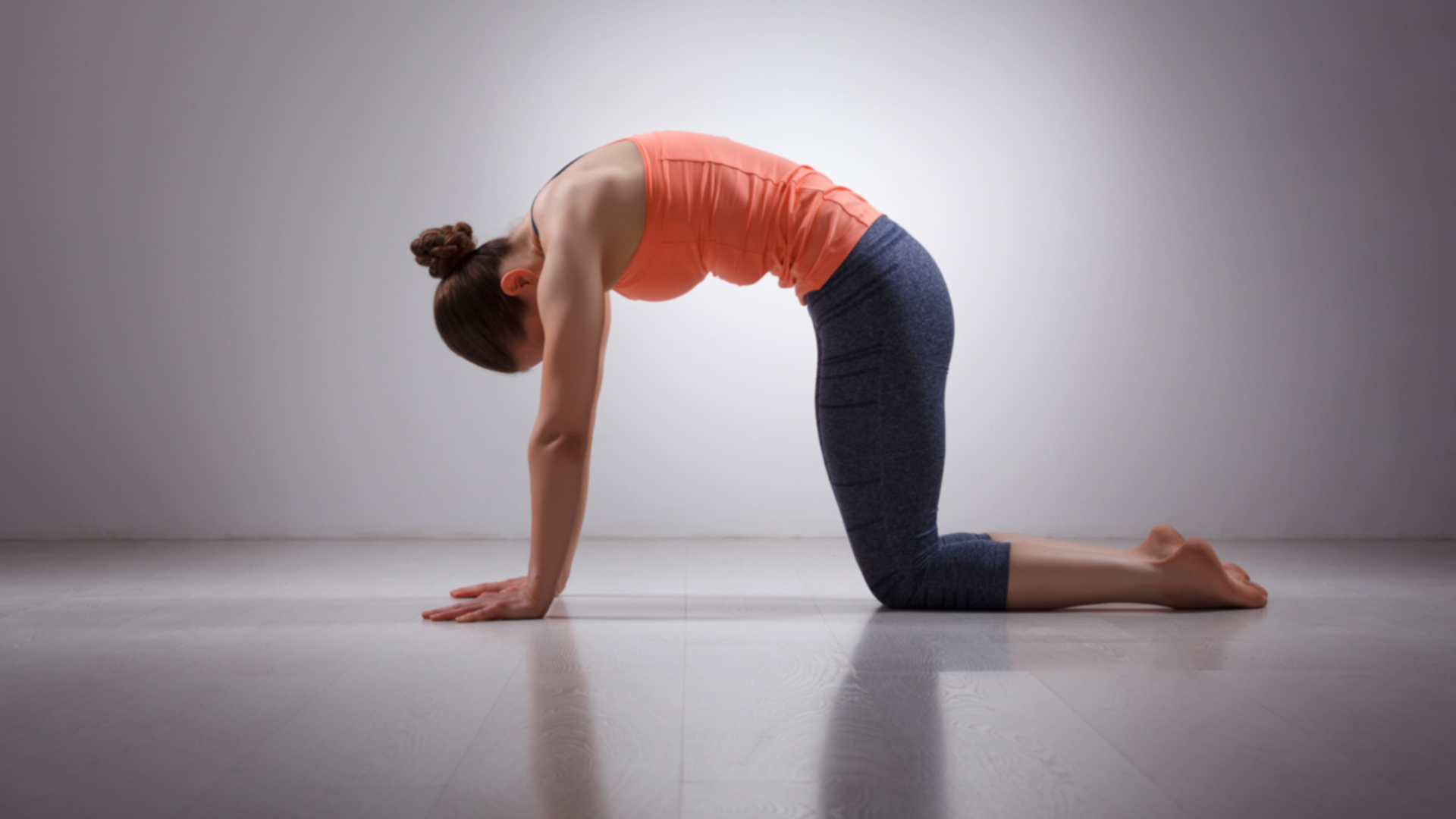
. Perform similar exercises, but extend the arm instead of the leg. Then move into Virasana and stay there for 10-15 seconds, after which you can rest in Balasana.
You can further intensify the practice. Try a variation of Ardha Salabhasana: without lifting the head from the floor, raise the opposite arm and leg, hold the position for 10 seconds, and repeat on the other side. Then move into a Side Plank, using a block for support and trying to draw the shoulders back.
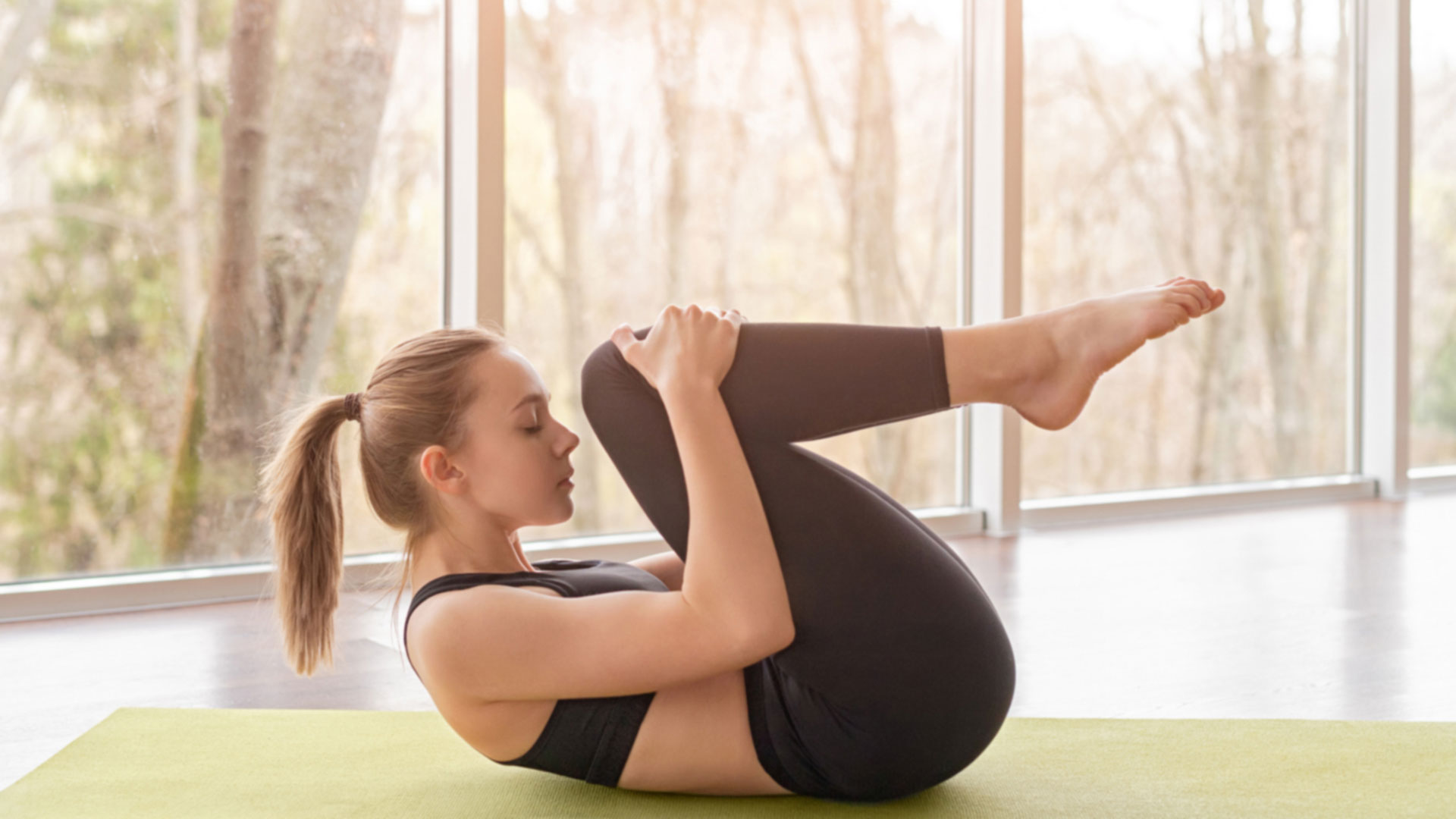
Next, begin a set of exercises sometimes referred to as a "cool-down". Perform compensatory stretching for each leg for 15 seconds. Then perform Ardha Pavanamuktasana and rest in Savasana. Completing the sequence will take no more than 20 minutes, but it will be excellent support when treating scoliosis with yoga. The main thing is that the practice should be regular.
It is important to remember that yoga does not replace or cancel a doctor's recommendations; a comprehensive approach to treatment is necessary. If possible, use swimming, massage, and/or manual therapy for therapeutic purposes.You need to work with the condition: pool swimming can be combined with seasonal open-water bathing, and massage can be received as prescribed by your doctor. It is important to believe in yourself and your abilities. Group practice experience shows that cases of recovery from scoliosis are not uncommon - it all depends on the practitioner's desire and persistence in mastering the asanas.
It is better not to let the disease progress and to visit a doctor regularly. Equally important is how you behave in everyday life: try to sit upright at the table and monitor your gait. Pay attention to your spinal position at least seven times a day; then posture control will become a habit that helps keep your spine healthy for many years.
The views expressed are based on traditional Ayurvedic texts and do not constitute medical advice.