Warning: This article is rooted in the principles of Ayurveda and is intended for informational purposes only. It is not a substitute for professional medical advice, diagnosis, or treatment. Before making any changes to your diet or lifestyle, especially if you have a chronic condition, please consult your healthcare provider or a certified nutrition specialist.
Continuing our conversation about pranayama, I would like to dwell in more detail on ujjayi breathing. It is common to hear the following words from a teacher during classes:«Let's move on to Ujjayi breathing». And if advanced practitioners change their breathing pattern, then a beginner who comes to class gets confused and does not know what to do.
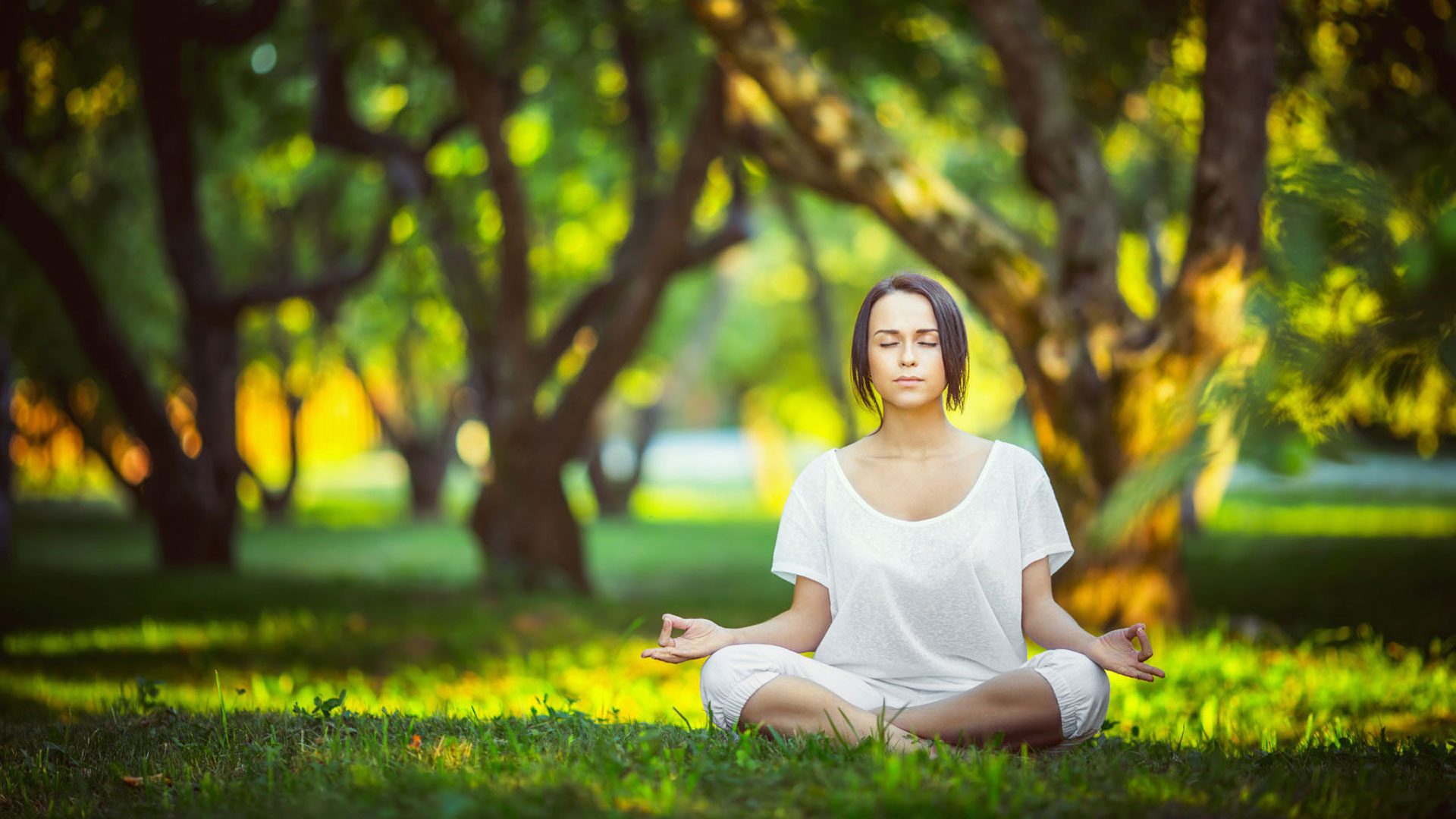
Most often, a beginner does not dare to ask his question right away; he is embarrassed to address the teacher at the end of the lesson, fearing to appear as an outsider. This attitude certainly harms the person himself, depriving him of the opportunity to engage productively and fully. The purpose of this material is to tell about ujjayi pranayama, the technique of its implementation and the benefits it can bring.
Ujjayi pranayama technique
Before describing the ujjayi technique, I would like to talk about the practice itself and its history. Let's say right away that "breath of the ocean" (as ujjayi is often called) is a fairly ancient practice. Its description can be easily found in the Hatha Yoga Pradipika, the fundamental work on yoga. The shlokas instruct the practitioner in this way: « With your mouth closed, inhale through your nose. Let the air travel down your throat to your heart. This is called "ujjayi." ».
The importance of this technique was recognized by all teachers of the past. A disciple of the legendary Krishnamacharya named Srivatsa Ramaswami recalled that at the very beginning of his practice, the guru taught him the ocean breath. According to Ramaswamy, the teacher at the first lesson told him to raise his hands up and breathe in a hissing sound, achieving a feeling of friction in the throat. Fernando Pages, in his work "The Legacy of Krishnamacharya", recounts that the teacher advised performing ujjayi while performing asanas. Another famous student of Krishnamacharya, Pattabhi Jois, also recommended practicing ocean breathing, reminding practitioners of his teacher's words that this technique helps fill the body with air, relax and calm down.
It is interesting to note that the Sanskrit word “uji” can be translated as “victorious,” which is why the technique described is also called “the breath of the winner.” This is due to the fact that during inhalation the practitioner's chest rises, like of a winner.
You're probably curious to know how winners breathe. The very convoluted explanation from the Hatha Yoga Pradipika given earlier is unlikely to be suitable for a beginner, as well as Krishnamacharya’s recommendations given “for his own,” already initiated yoga practitioners. Let us turn for guidance to Iyengar and his works “Pranayama Deepika” and “Pranayama - the Art of Breathing”. In them, the great teacher describes how to perform ocean breathing. Let's be clear right away that the technique is basic and intended for beginners.
To perform this exercise, you need to take any comfortable body position. This pranayama can be done either sitting or lying down. It is not prohibited to practice while standing or walking. It is better to start mastering it in a meditative position with a straight back. When inhaling, you must simultaneously squeeze the glottis. This rule also applies to exhalation. Inhalation allows us to completely fill our lungs with air. Then you need to hold your breath for a short time and exhale, releasing air first from your chest and then your stomach, then hold it again. This will be one cycle. You need to start with 10 cycles per approach, it is recommended to do 4 approaches in total. It is then recommended to gradually increase the number of cycles within the approach.
Ujjayi breathing: benefits and contraindications
Before we talk about the benefits of ujjayi, let's list the existing contraindications. Those who suffer from cardiovascular diseases, have lung problems, or low blood pressure should refrain from performing this practice. This technique cannot be used if any malignant tumor has been diagnosed, or if there are any disturbances in lymphatic and venous outflow.
It is worth remembering that this practice, like any other, must be mastered and performed under the supervision of a specialist, after first consulting with a doctor. The article is for informational purposes only. Ujjayi breathing is accompanied by a characteristic sound, but you should not be embarrassed to breathe this way during practice.
The most important effect of this pranayama was voiced by Sharath Jois, the successor of Pattabhi Jois. According to Sharath, yoga is activated through ujjayi. Another important effect, relevant for modern practitioners, is stress relief. Satyananda Saraswati, in his work on Kriya Yoga, says that this type of breathing immediately calms the mind. According to the proponents of the Bihar school of yoga, there is no disease associated with stress or nervousness that can withstand the power of ujjayi.
The famous teacher John Scott in his book "Ashtanga Yoga" says that ujjayi breathing warms up the body, and toxins and waste are released from the body along with sweat. This opinion is shared by Sharath Jois in his work “Ashtanga Yoga Anusthana”. The winner's breath will allow you to stay in the asana longer and cope with physical activity more easily. In addition, this technique helps to reduce the heart rate.
With the described type of breathing, the heart begins to work more actively, providing its training. At the same time, the endurance of the heart muscle improves and the likelihood of developing diseases decreases. Ujjayi can be called gymnastics for the respiratory muscles. When air passes through the glottis, the load on the respiratory system increases, which, in turn, helps to strengthen it.
This type of pranayama helps remove phlegm from the lungs, which is especially important for those who have given up the harmful habit of smoking. Mastering this technique will help you gain control over your breathing in general. When we hear our breath, it becomes easier for us to control it: to increase or decrease the length of inhalation and exhalation, and this skill is important on the path to further, deeper study of pranayama.
Ujjayi is a true pearl of yoga; it can be practiced as an independent technique or combined with asanas and vinyasas. Its task is not only to activate the practice, but also to make it holistic and productive. Pranayama is always inseparably linked with asana: these are not just following each other stages of yoga, but pieces of one big puzzle called “Yoga”.
The views expressed are based on traditional Ayurvedic texts and do not constitute medical advice.