Warning: This article is rooted in the principles of Ayurveda and is intended for informational purposes only. It is not a substitute for professional medical advice, diagnosis, or treatment. Before making any changes to your diet or lifestyle, especially if you have a chronic condition, please consult your healthcare provider or a certified nutrition specialist.
Tapasya is a very important aspect of spiritual practice described in Patanjali’s Yoga Sutras. Translated from Sanskrit, “tapas” means ‘heat,’ ‘ardor,’ or ‘asceticism.’
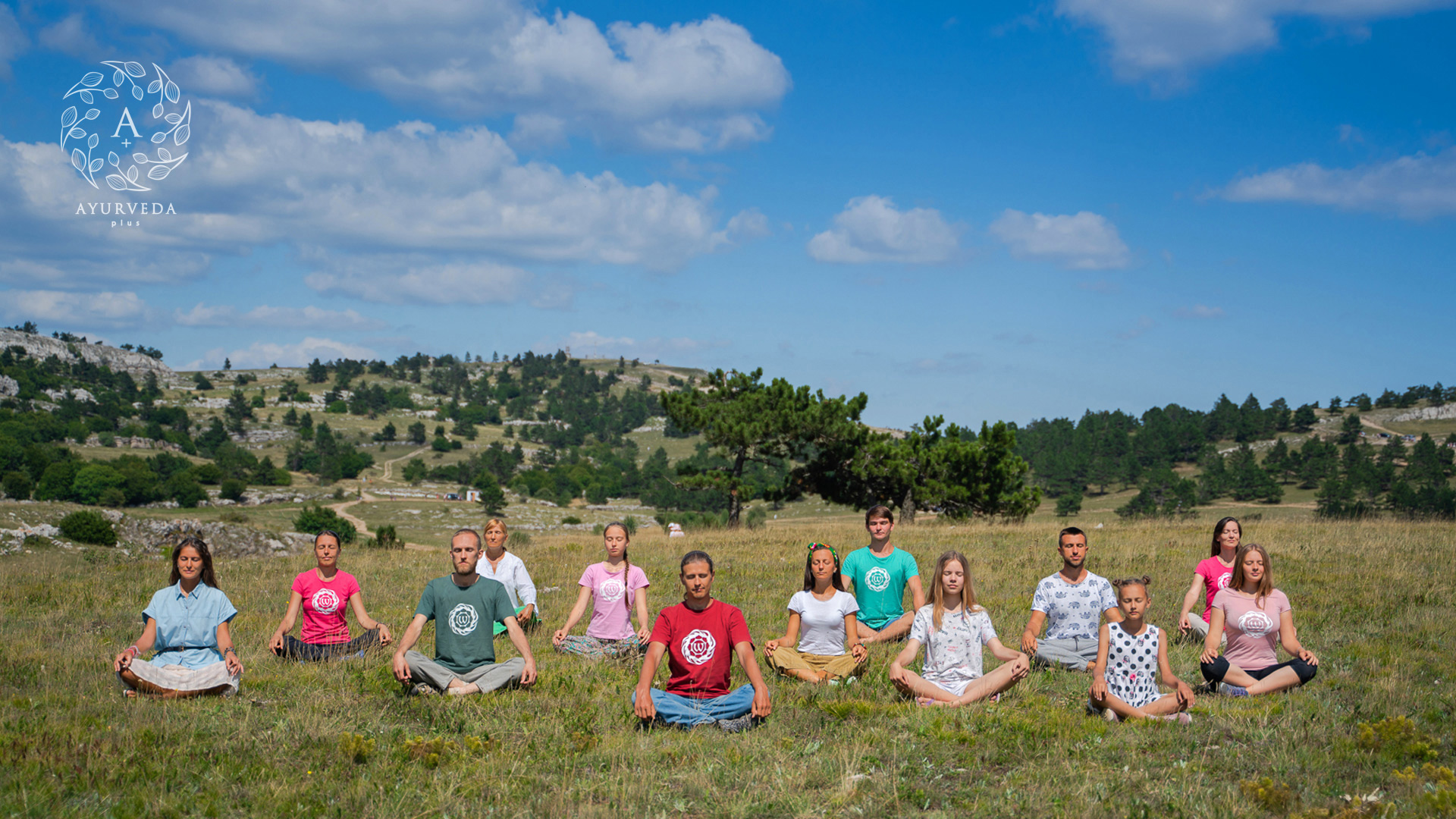
What is tapasya, according to Patanjali?
Patanjali defines tapasya as the voluntary acceptance of self-restraint and discipline for the purpose of spiritual growth and inner transformation. This process involves breaking down physical and mental barriers in order to accumulate energy and gain clarity of the mind.
According to Patanjali, tapasya is an integral part of Ashtanga yoga, a system with eight stages or “limbs”: yama, niyama, asana, pranayama, pratyahara, dharana, dhyana, and samadhi. Tapasya belongs to the second stage, niyama, which encompasses the ethical and moral principles of behavior. Self-mastery and asceticism helps individuals achieve harmony and inner peace, establishing a foundation for their further spiritual development.
How asceticism helps accumulate energy
Asceticism is the conscious restraint from certain pleasures and comforts, typically undertaken for the sake of achieving higher spiritual goals. Overcoming one’s desires and habits supports the accumulation of energy that would otherwise be expended on satisfying superfluous needs. The released energy is then directed towards spiritual development and towards improving one’s quality of life. This process is grounded in a philosophy and practice that is recognized by many spiritual traditions and supported by loads of modern research.
Asceticism practices can vary greatly, ranging from abstaining from certain foods to limiting one’s forms of entertainment.
For example, one may refrain from using gadgets for a week or follow a strict diet.
As with any yogic practice, it is important to choose a method of asceticism that matches your goals and capabilities. Overcoming the challenges associated with asceticism strengthens your willpower and allows you to focus on what’s truly important.

Benefits of asceticism:
- concentration improves: freeing yourself from unnecessary stimuli helps you focus on key tasks;
- self-discipline improves: regularly overcoming difficulties strengthens your willpower and discipline;
- energy accumulates: abstaining from unnecessary actions and habits frees up vital energy for more important purposes.
Key mechanisms of energy accumulation
-
Letting go of the superfluous.
- Energetic conservation. We expend a great deal of energy on satisfying our deeds and desires, often ones that are not at all essential. When we give up our superfluous needs, energy is conserved and can be redirected toward more important goals.
- Focus. By minimizing distractions, we gain the ability to concentrate on key tasks, thereby increasing our efficiency and productivity.
-
Developing self-discipline.
- Willpower. Regularly overcoming our weaknesses and habits strengthens our willpower! A strong will enables us to manage life energy more consciously, directing it toward the achievement of actually significant goals.
- Emotional control. Asceticism helps us better control our emotions and conserve mental energy. Calmness and inner peace reduce tension and stress.
-
Physical and mental health.
- Detoxification. Many forms of asceticism, such as fasting or abstaining from certain foods, help cleanse the body of toxins. A healthy body produces and uses energy much more efficiently.
- Mental purification. Asceticism helps free the mind from unnecessary thoughts and worries, thereby increasing clarity and resilience.
Examples of ascetic practices and their impact on energy
-
Fasting.
- Fasting is one of the most common forms of asceticism for cleansing the body and mind. When food intake is suspended for a certain length of time, the body starts to use its internal reserves and facilitates cellular cleansing and regeneration. This process releases a significant amount of energy that can then be channeled into spiritual and mental practices.
-
Meditation and silence.
- The practice of silence and meditation allows one to focus on internal processes by reducing the amount of energy they spend on external stimuli. This helps accumulate mental and spiritual energy, which in turn improves overall health and mental clarity.
-
Giving up social media and gadgets.
- As we all know, modern technology is often a source of stress and anxiety. Limiting the time we spend on social media and other gadgets helps us reduce mental noise and improve concentration, thereby making it easier for mental energy to accumulate.
Some modern studies confirm the effectiveness of asceticism in improving health and boosting vital energy.
For instance, research on fasting shows that intermittent fasting can improve metabolism, reduce inflammation in the body, and promote longevity. Scientists have found that fasting triggers autophagy— a process in which the body’s cells clear themselves of damaged components— which facilitates cellular regeneration and improves overall health.
Practical recommendations.
- Choose a suitable form of ascetic practice. Start with small restrictions that don’t require much effort, such as giving up sweets, reducing time spent on social media, or practicing silence for several hours daily.
- Set a timeframe. Establish a specific deadline for your practice— a day, a week, a month. Then, stick to the chosen period so that you can experience real change.
- Commit to your decision. Keep your promises and don’t deviate from your chosen path. Gradually increase the level of asceticism as you feel ready to take on more serious restrictions.
Many people successfully use asceticism to accumulate energy and improve their quality of life. It is known that practitioners of yoga and meditation often report significant improvements in physical and mental health after adopting regular ascetic practices.
These practices help us accumulate energy, freeing us from superfluous desires and needs, developing our willpower and discipline, and enhancing our physical and mental wellbeing. Applying the principles of tapasya to our day-to-day life promotes spiritual and personal growth, opening up new possibilities for achieving harmony and inner peace.

Interesting facts
- Tapasya is mentioned in ancient Indian texts as a method for purifying the body and mind.
- Asceticism is used as a way to improve concentration and productivity.
- The practice of asceticism is popular among spiritual leaders and yogis.
- Mahatma Gandhi actively practiced tapasya! He is known for his fasts, which he used as a means of protest and spiritual purification. Besides cleansing the body, these practices helped him maintain mental clarity and spiritual strength.
- There exists a practice of silence known as “Maun Vrat,” and studies show that this form of periodic silence can greatly improve cognitive function and promote mental clarity.
- Many athletes employ the principles of tapasya to enhance their performance. For example, famous marathon runners and triathletes often adhere to strict diets and training regimens that can be viewed as a form of asceticism. These constraints help them improve their endurance and focus.
- Some people use asceticism as a way to reduce their carbon footprint, since limiting consumption of food and other resources helps mitigate negative impacts on the environment.
These facts demonstrate the diversity and depth of the practice of tapasya as well as its impact on a person’s physical, mental, and spiritual wellbeing.
Tapasya and asceticism play a vital role in spiritual practice, helping us accumulate energy and achieve inner harmony. Overcoming our weaknesses and limitations through these techniques leads to the development of strong willpower and self-discipline, which then promote our personal and spiritual growth. All in all, the practice of asceticism, grounded in the principles of Patanjali, helps us gain the strength and vital energy needed to achieve our goals, harmony, and inner peace.
References:
- Patanjali. Yoga Sutras.
- Swenson, D. Ashtanga Yoga: The Practice Manual.
- Yogacharya O. P. Tiwari. Pranayama: Theory and Practice (not available in English).
- Longo, V. D., & Mattson, M. P. (2014). Fasting: Molecular mechanisms and clinical applications. Cell Metabolism, 19(2), 181-192.
- Peterson, C. M., & Mashek, D. G. (2014). Intermittent fasting and human metabolic health. Journal of Clinical Investigation, 124(2), 489-496.
The views expressed are based on traditional Ayurvedic texts and do not constitute medical advice.