Warning: This article is rooted in the principles of Ayurveda and is intended for informational purposes only. It is not a substitute for professional medical advice, diagnosis, or treatment. Before making any changes to your diet or lifestyle, especially if you have a chronic condition, please consult your healthcare provider or a certified nutrition specialist.
It is believed that in the 15th century, Swami Swatmarama described the following six Shatkarmas in the text “Hatha Yoga Pradipika”: dhauti, basti, neti, trataka, nauli and kapalabhati. These cleansing techniques improve the functioning of the body and help to cultivate harmony in both body and mind. One of the yoga practices included in the system of shatkarmas is Trataka (translated from Sanskrit as ”shedding tears”).
What Trataka Is: Benefits and Contraindications
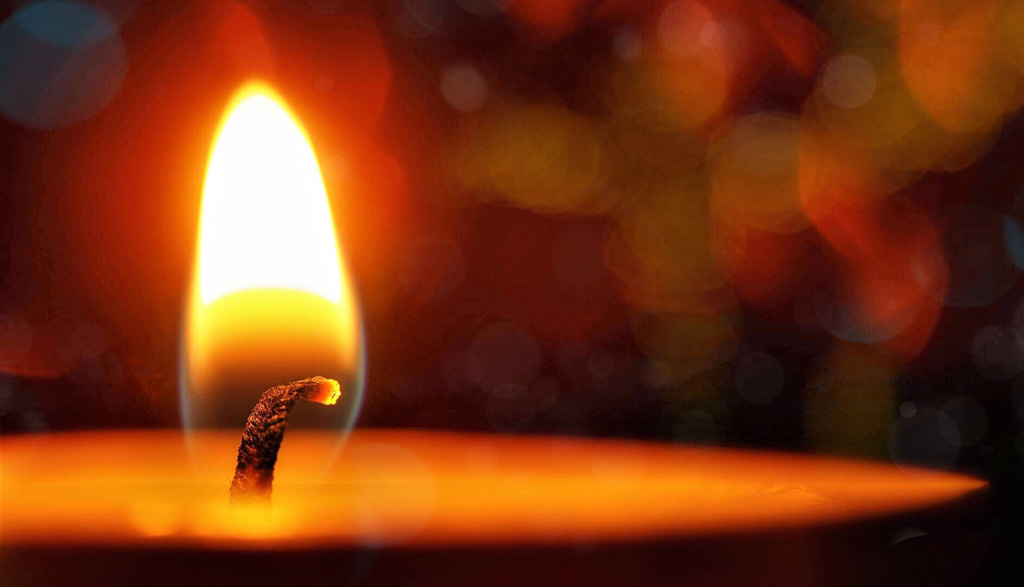
Trataka is considered a complete meditative practice that helps to awaken the “third eye”. It is the practice of steady, prolonged, and focused gazing at an object. Many people know Trataka as candle-gazing, but there are many other possible objects for concentration: images of saints, icons, figures of deities, religious symbols, signs, the rising or setting Sun, the Moon, or a star. Many people call Trataka a contemplative practice, but it’s important to understand the difference between contemplation and concentration. Concentration requires a deliberate effort by which all attention is directed toward a specific object.
The positive effects of performing this practice are profound. The most important of them is described in the “Hatha Yoga Pradipika” as follows: Trataka eradicates all eye diseases, fatigue and laziness; it closes the pathways through which these problems could arise. It must be kept secret like a golden jewel box." With the help of this shatkarma, you can restore your vision, clear the nasal tear ducts and eyes, heal certain nervous disorders, attain meditative states, enhance memory and improve attention span.
Trataka is ideally practiced in the evening, as it helps relieve muscle tension and fatigue accumulated during the day, and calm the mind - along with the release of tears, psychological stress and emotional residue go away.
There are some contraindications to performing Trataka. Trataka should not be practiced in cases of:
- Glaucoma or retinal detachment;
- Inflammatory eye diseases or inflammatory brain conditions;
- Mental disorders;
- Direct concentration on the Sun when it is already high in the sky.
Trataka: Technique and Types
There are three types of Trataka:
- External - concentration of gaze on an external object;
- Internal - concentration on an imagined object with closed eyes;
- Combined - alternating between external and internal practices.
It is best to begin mastering external Trataka by concentrating on the flame of a candle. Before practice, ensure the room is quiet and still. Close all doors and windows, turn off fans and air conditioners to eliminate drafts, as the flame should remain steady and not flicker. Sit on a mat in a cross-legged position with a straight back (such as Siddhasana, Vajrasana or Padmasana), stretch through the crown of your head upward. In these asanas, it is very important that both knees touch the floor. Turn off the light, light a beeswax candle, and place it at arm's length, at eye level. Then focus your gaze on the flame just above the wick. Continue gazing without blinking for as long as possible. Immerse yourself fully in the center of the flame, forgetting the body. It is best to breathe with full yogic breath; ujjayi breathing may be used. If the gaze becomes unfocused and the flame blurs or doubles, blink a few times to restore clarity. It is important to avoid the blurring or doubling of the candle, falling asleep, or getting distracted by external happenings and thoughts. If the mind pulls your attention away, apply gentle willpower to return your focus to the candle flame. Continue Trataka practice until a burning sensation in the eyes appears and tears begin to flow profusely. Then wash your eyes with clean, cool water, lie down in Shavasana, and continue observing the afterimage of the flame with closed eyes until it completely disappears.
In internal Trataka, the object of concentration is recalled from the memory or created by imagination, while the eyes stay closed. Clearly visualize the object and hold your attention on it. If, during concentration, the image disappears from the internal “screen”, bring it back through willpower and continue the practice until the image dissolves. Internal Trataka is typically practiced for 10-15 minutes, followed by relaxation in Shavasana.
To master the combined method, begin with 3-5 minutes of external Trataka, such as candle-gazing. Then close your eyes and concentrate on the afterimage of the flame, which will be projected onto the inner screen as a spot of light. The key is to observe the cessation of thoughts. You can even hold your breath for a few seconds. Hold the image of the flame as long as possible. If the spot of light begins to shift off center, try to bring it back and continue to concentrate on it. Once the image disappears completely, open your eyes and repeat the external Trataka. After another 3-5 minutes, close your eyes and concentrate on the inner imprint again until it fades. Combined Trataka may be practiced for an extended time.
In conclusion, it needs to be emphasized that Trataka is used not only for concentration and cleansing - it also shifts the electrical activity of the brain toward the frequency of deep meditation. For this reason, it is one of the most effective techniques for purifying and strengthening the body, consciousness and mind. Wishing everyone a steady and regular practice!
The views expressed are based on traditional Ayurvedic texts and do not constitute medical advice.