Warning: This article is rooted in the principles of Ayurveda and is intended for informational purposes only. It is not a substitute for professional medical advice, diagnosis, or treatment. Before making any changes to your diet or lifestyle, especially if you have a chronic condition, please consult your healthcare provider or a certified nutrition specialist.
Water - the primordial essence of life itself. As one of the five fundamental elements constituting all creation, it nourishes our senses, revitalizes our physiology, and offers sublime refreshment. This miraculous liquid serves as nature's perfect elixir: a boundless energy conductor, the body's nutrient transport system, a natural mood enhancer, and the essential hydrator for our musculoskeletal framework.
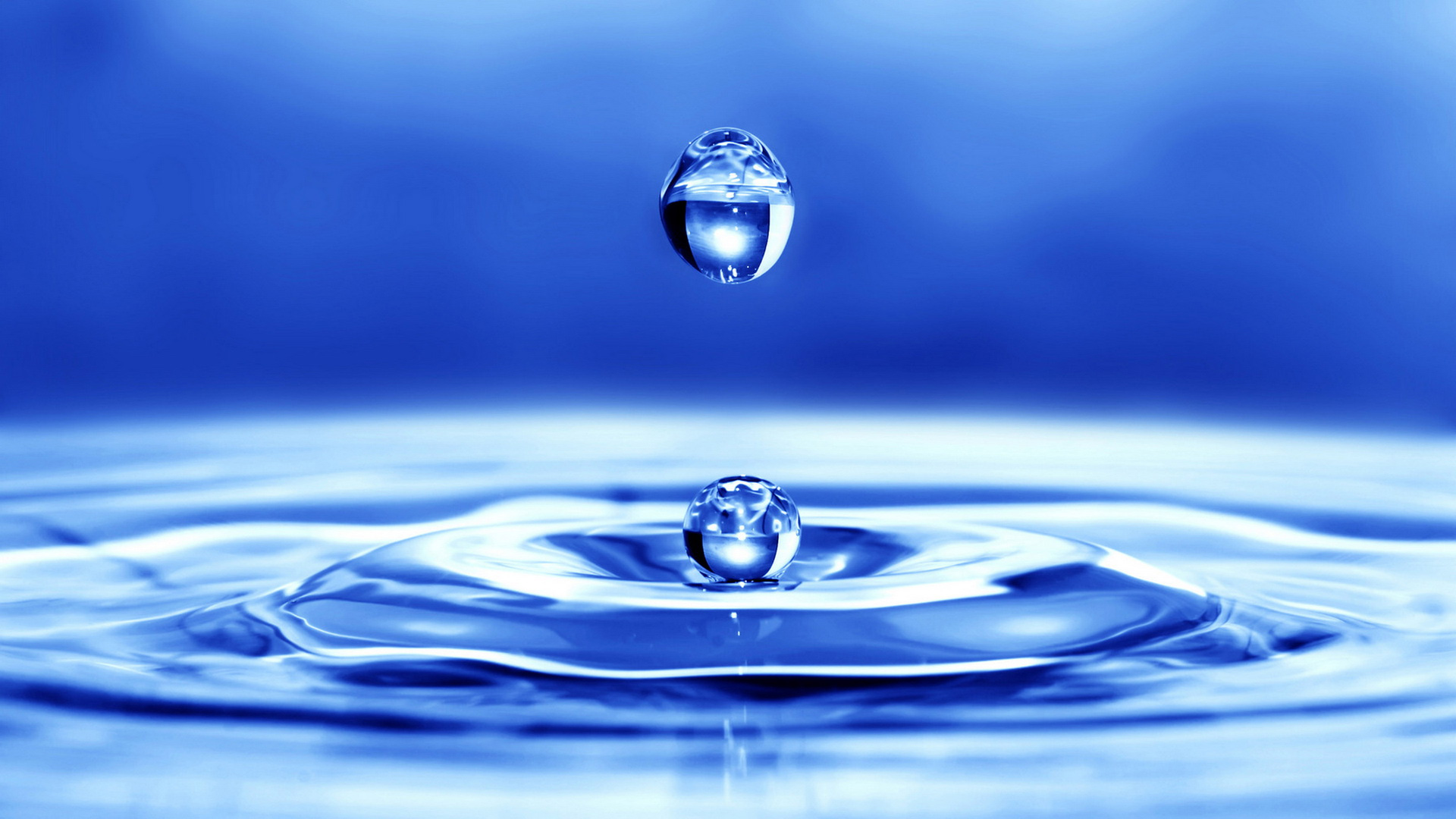
Consciously prioritizing water consumption automatically reduces intake of inferior, potentially detrimental beverages. This simple yet profound shift in hydration habits activates the body's innate regenerative capacities. When combined with mindful eating practices, this foundational habit becomes the cornerstone of radiant health, emotional equilibrium and holistic wellbeing.
Water, you have no taste, no color, no odor; you cannot be defined, you are enjoyed without ever being understood. You are not necessary to life: you are life itself. You fill us with a gratification that cannot be explained by the senses.
Antoine de Saint-Exupéry, Wind, Sand and Stars (1939), Chapter 8
Water stands as the fundamental requirement for all terrestrial life - its absence renders biological existence impossible. The catastrophic consequences of dehydration extend far beyond thirst, disrupting essential metabolic pathways and, in severe cases, precipitating complete systemic failure.
Clinical research has established clear connections between chronic underhydration and these pathological conditions:
- Constipation: Inadequate aqueous volume dramatically slows intestinal transit time (Chronic dehydration manifests primarily through persistent constipation);
- High blood pressure: Plasma viscosity increases proportionally with fluid deficit (The resulting hemodynamic stress elevates peripheral vascular resistance);
- Elevated cholesterol: Cellular osmoregulation triggers compensatory cholesterol synthesis (An evolutionary adaptation for membrane fluidity preservation);
- Digestive disorders: Diminished gastric juice production enables acid erosion (Predisposing to peptic ulcer formation and gastropathies);
- Metabolic acidosis: Impaired renal clearance permits toxic acid accumulation (Particularly in connective tissues and synovial spaces);
- Joint pain: Cartilaginous desiccation accelerates joint surface wear (Leading to progressive osteoarthritis);
- Kidney/bladder diseases: Concentrated urinary solutes crystallize into calculi (While bacteriostatic defenses become compromised).

While this represents merely a fraction of dehydration's systemic impacts, modern medicine continues debating optimal intake parameters. Ancient Ayurvedic texts, however, provide precise hydrological guidelines we shall examine subsequently.
Hydration science: Modern and ancient perspectives
Current medical guidelines present differing perspectives on daily water requirements. The European Food Safety Authority (EFSA) establishes baseline recommendations of 2 liters for women and 2.5 liters for men.
In contrast, U.S. authorities through The National Academies propose slightly higher intake levels - 2.7 liters for women and 3.7 liters for men - reflecting alternative assessment methodologies.
These standardized benchmarks merely serve as starting points, as actual hydration needs are highly individualized. Critical modifying factors range from physiological states like pregnancy to environmental conditions, exercise regimens, acute illnesses, and various metabolic considerations.
While Russia lacks official state-mandated water intake standards, medical professionals commonly recommend consuming 30 ml per kilogram of body weight daily.
The late 20th century saw American scientific circles championing increased water consumption, following guidelines established jointly by the U.S. Department of Agriculture and Department of Health and Human Services.
This movement originated from their seminal "Dietary Guidelines for Americans" publication - recommendations that subsequently gained global traction and became deeply ingrained in public health consciousness.
Undoubtedly, you know someone who religiously carries a water bottle, advocating constant hydration for "toxin flushing." But how do these modern practices compare to Ayurveda's ancient hydrological principles?

Ayurvedic principles of hydration
Rooted in millennia of observational wisdom, Ayurveda offers profound insights into water's role in maintaining physiological harmony. This ancient healing system, meticulously developed by Vedic scholars, contains extensive teachings on optimal hydration practices within its classical medical literature.
The sacred Ayurvedic texts caution that habitual overhydration disturbs the body's delicate balance, potentially creating systemic dysfunction and compromising renal efficiency. They advocate drinking only when genuinely thirsty - and then, just enough to satisfy that thirst without excess.
These guidelines are codified in foundational scriptures like the Ashtanga Hridayam (Sutrasthana 5.13-14), with the Ashtanga Sangraha (Sutrasthana 6.32) specifically noting how excessive water intake in tropical climates can exacerbate both Pitta and Kapha imbalances.
More critically, Ayurvedic physiology identifies improper water consumption as a primary contributor to ama formation - these toxic residues accumulate insidiously in bodily tissues, eventually manifesting as pathological conditions. The system further emphasizes that hydration needs vary significantly according to one's dominant dosha constitution.
Vata Dosha: Ruled by air elements that increase dryness and cold, people with this constitution do best with plenty of warm water. In addition to warm water, Vata's light nature benefits from more substantial drinks - herbal teas, milk-based beverages, and naturally sweetened preparations.
Pitta Dosha: This heat-dominant type needs cooling hydration (not iced, but slightly cool). Pure spring water works perfectly, with about 2 liters daily usually enough to maintain balance.
Kapha Dosha: Since Kapha tends toward sluggishness and toxin build-up, these types should drink moderately, sticking to warm or hot water to boost metabolism.

A practice that benefits all doshas is drinking warm water first thing in the morning - this helps clear mucus and digestive toxins that built up overnight.
The fifth chapter of Ashtanga Hridayam Samhita details specific therapeutic uses for different waters.
Cool water (not cold) helps with overheating, dizziness, tiredness, alcohol effects, and can assist with sunstroke.
Hot water (just below boiling) balances Vata and Kapha, helps detoxification, supports the bladder, eases breathing problems (like coughs or shortness of breath), and increases appetite because it's easily digested.
Boiled-then-cooled water soothes Pitta issues, prevents swelling, and improves absorption. However, water that's boiled and stored for days worsens all three doshas.
Distilled water removes both nutrients and toxins without distinction.
Interestingly, the text recommends coconut water as better than plain water in some situations - it calms Vata/Pitta, provides immediate cooling, satisfies thirst well, but might increase hunger (Sutrasthana 5). This offers a different perspective from modern hydration beliefs.
How much water should you drink?
Gulping down large quantities of water at once goes against Ayurvedic wisdom. The ancient practice recommends sipping gradually with mindful pauses between swallows. Equally crucial is maintaining harmony between your liquid intake and meal consumption.
The timeless guidance from Vedic scholars suggests drinking warm water during meals as a universal principle. However, the celebrated Ayurvedic scholar Vagbhata offers a nuanced perspective: beverages should complement your food by balancing its inherent qualities.
For instance, warming grains like buckwheat and millet, or particularly spicy and piping-hot dishes, pair best with slightly cool (never ice-cold) water to create equilibrium.
In essence, Ayurveda's three fundamental hydration principles are refreshingly simple:
- Practice moderation - avoid excessive quantities and rapid gulping;
- Prefer warm water, ideally consumed with meals;
- Let genuine thirst guide your drinking, not habit or schedule.
While contemporary researchers continue debating hydration theories, ancient Ayurvedic texts offer time-tested wisdom that remains profoundly relevant today.
Our bodies represent exquisitely calibrated systems that communicate their needs. Universal hydration rules fail to account for individual uniqueness. True wellbeing emerges when we cultivate body awareness - learning to interpret our physiology's subtle signals and responding with appropriate nourishment. This mindful approach creates lasting harmony between self and environment.
The views expressed are based on traditional Ayurvedic texts and do not constitute medical advice.