Warning: This article is rooted in the principles of Ayurveda and is intended for informational purposes only. It is not a substitute for professional medical advice, diagnosis, or treatment. Before making any changes to your diet or lifestyle, especially if you have a chronic condition, please consult your healthcare provider or a certified nutrition specialist.
Sesame oil has been a cornerstone of traditional healing systems for centuries, and Ayurveda is no exception. As a complete philosophy of life, Ayurveda offers profound insights into using this revered oil not just for wellness, but for enhancing natural beauty as well.
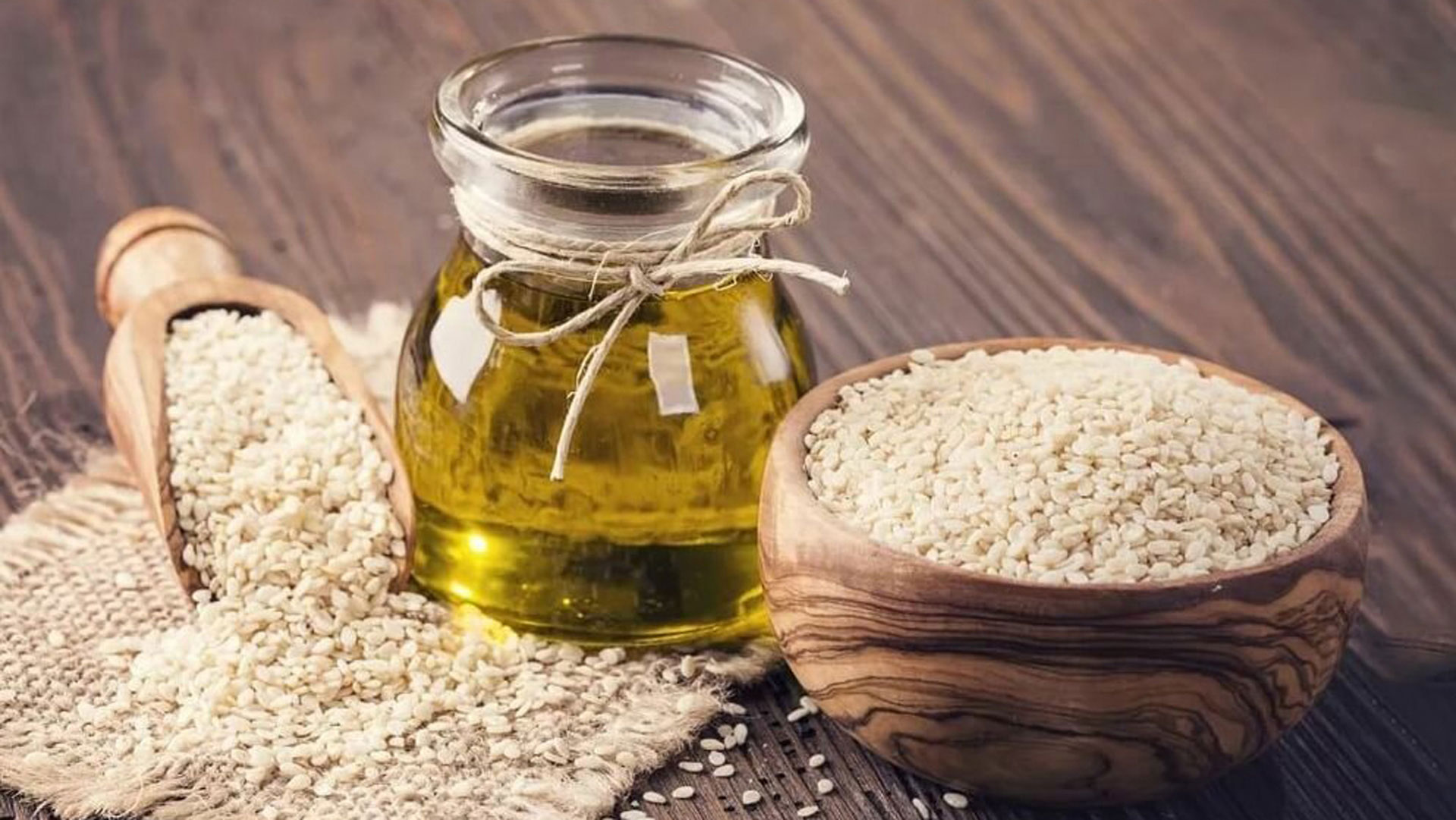
Sesame Oil: Ayurvedic Benefits and Therapeutic Properties
One of the most authoritative texts in Ayurveda, the "Charaka Samhita" (700 BC), tells us that the best of all oils is that which is made from sesame seeds. Charaka claimed that by properly combining sesame oil with various herbs, one can alleviate any ailment. The primary beneficial property of sesame oil is its ability to penetrate the skin deeply and rapidly. This quality makes sesame oil ideal for therapeutic massages, as well as for preparing balms and ointments.
Depending on the sesame variety and cultivation method, the seeds can vary in color. The most common are black seeds, known as "Krishna," red seeds called "Raktha," and white seeds referred to as "Shweta."
In Ayurveda, black sesame seeds are considered the most beneficial. They are used in the preparation of all Ayurvedic remedies. Additionally, oil pressed from black sesame seeds has a longer shelf life and is less prone to rancidity.
Charaka emphasized that sesame seed oil increases Pitta in the body. It is particularly beneficial for Pitta deficiency, as its heavy nature provides strength and nourishment to our bodily tissues.
Furthermore, Ayurveda holds that sesame oil benefits our energy centers – the chakras. It is considered especially supportive for the heart chakra, which governs love and compassion and influences our relationship with the world. Sesame oil is equally beneficial for the root chakra, responsible for navigating life's challenges, and the navel center, which governs clear thinking and self-confidence.
In India, sesame oil is used not only for healing but also in various religious ceremonies, where it is burned in special lamps.
Modern science also confirms the efficacy and beneficial properties of sesame oil. Sesame seed oil is rich in vitamins, particularly E and B6, and contains high levels of iron and magnesium. This composition makes it a powerful antioxidant with strong antibacterial and anti-inflammatory properties. Thanks to its nourishing nutrients, sesame oil also possesses dermatological qualities, making it indispensable for treating problematic skin.
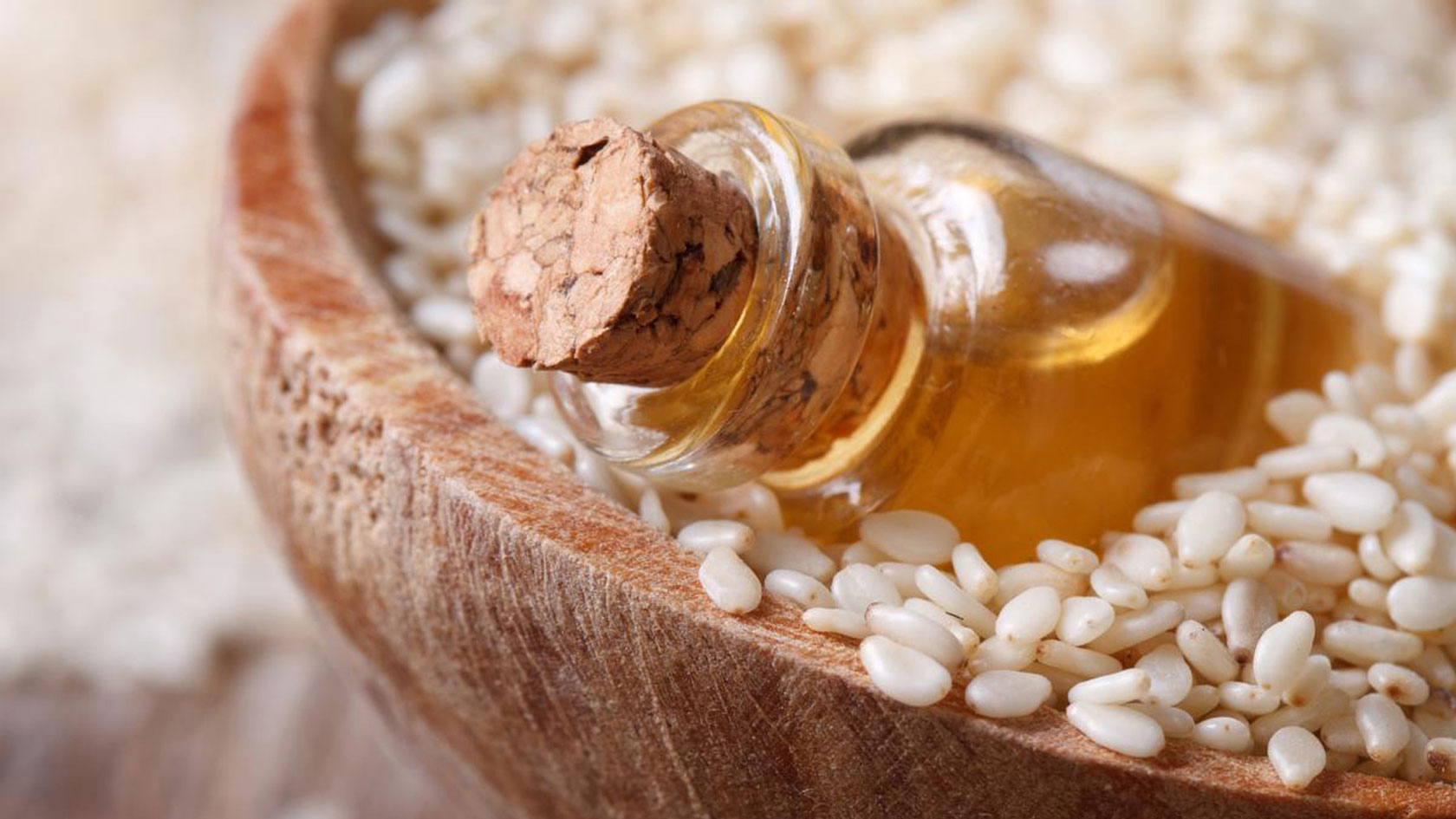
How to Use Sesame Oil in Ayurveda
Sesame oil is most commonly used in Abhyanga – the traditional Ayurvedic massage. A massage with sesame oil relieves muscle and joint tension and pain, reduces stress levels, and improves sleep quality. It has a beneficial effect on blood and lymph circulation throughout the body. For the massage, an Ayurvedic practitioner adds specific herbs to the sesame oil, tailored to the patient's constitution and the specific health concerns they aim to address.
The individual's constitution (dosha) is also considered when preparing the herbal blend. This therapeutic massage is also suitable for children. Ayurveda recommends starting massage from birth. In cases where a full massage is not possible, Ayurveda advises applying sesame oil to the child's body daily before bathing.
Another method of using sesame oil is nasal cleansing. The procedure of introducing sesame oil into the nose – known as Nasya – helps manage conditions such as sinusitis and allergies. Furthermore, Nasya reduces stress levels, eliminates headaches, and has a rejuvenating effect.
Sesame oil is also an excellent and, most importantly, natural remedy for hair. Simply massaging the oil into the scalp once a week helps promote hair growth and prevent hair loss. Regular scalp massage with sesame oil also reduces dandruff.
Charaka attributed this to sesame oil's "Keshya" property – its ability to nourish hair and skin. However, it is important to remember that this oil is inherently heating, meaning it can increase Pitta in the body. To balance this, you can add milk or a small amount of Amla.
Charaka also stated: "This oil is beneficial for the teeth and voice, removes facial slackness, and improves the sense of taste. One who regularly performs this practice will be free from cavities, and their teeth will be strong enough to chew the toughest foods." To support dental health, it is sufficient to swish one tablespoon of cold-pressed sesame oil in the mouth on an empty stomach for 20 minutes each morning. This effective practice is known as Dantya Swastha.
Women in India believe that if you have sesame oil at home, you need no other beauty products. It can be used to create natural facial cleansers. Simply mix 1/2 cup of ground sesame seeds with 1/2 cup of apple cider vinegar and 1/4 cup of water. Let the mixture infuse, and then rinse your face with it before bed without washing it off. Your skin will regain its natural glow and beauty.
You can also apply sesame oil to cracked heels, put on socks, and leave it on overnight. The oil will nourish the skin and support its healing.
If you have a sunburn, applying sesame oil to the affected areas can provide necessary moisture and promote rapid skin recovery.
Adding a little sesame oil to your bath is also recommended. This helps relieve tension, aids in drawing out toxins, and promotes restful sleep.
Finally, please note that sesame oil can cause allergic reactions in some individuals. Before using it, perform a patch test by applying a few drops to the inside of your elbow. If no reaction occurs, you can safely use the oil for the purposes described.
Of course, it is impossible to cover the full spectrum of sesame oil's benefits and its numerous applications. However, we hope the guidance provided here helps you maintain your health and natural beauty for years to come.
The views expressed are based on traditional Ayurvedic texts and do not constitute medical advice.