Warning: This article is rooted in the principles of Ayurveda and is intended for informational purposes only. It is not a substitute for professional medical advice, diagnosis, or treatment. Before making any changes to your diet or lifestyle, especially if you have a chronic condition, please consult your healthcare provider or a certified nutrition specialist.
If you have never heard of ghee (or gee/ghi), now is the time to get acquainted with this miraculous product. The beneficial properties of ghee have been known since such ancient times that it is now impossible to say for certain when and where people first tasted it. More than 5 thousand years after its first mention, it is still widely used in South Asian countries and is gradually spreading around the world.
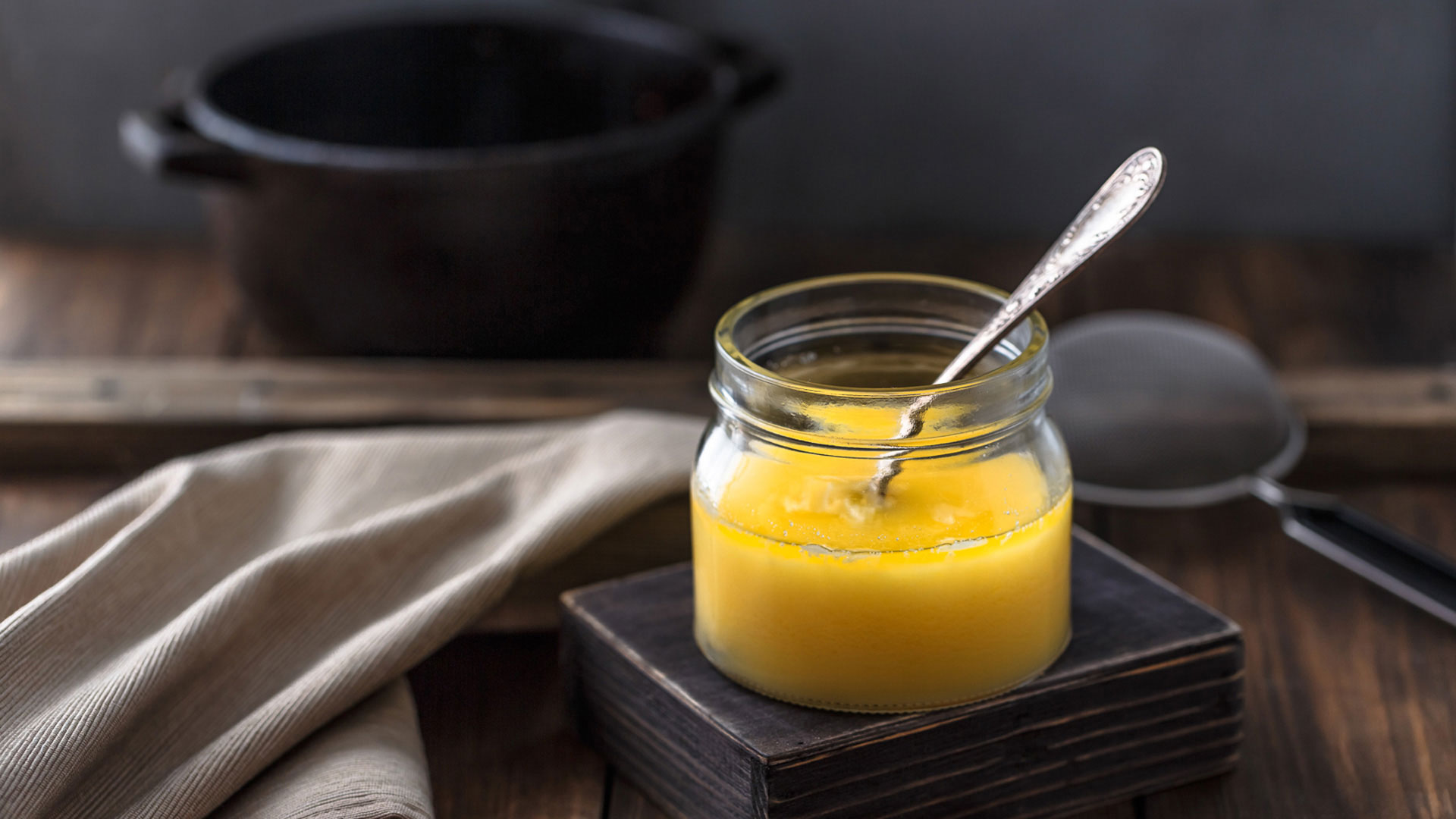
Those who consume ghee, in them fire is strong and the inside is pure. Their physical forces are robust, energies - jaunty, complexion - healthy, organs - strong, and in old age they retain vigor, living up to one hundred years.
Zhud-shi - classical treatise of Tibetan medicine.
In ancient times, and nowadays, ghee has been valued for its taste and its uniquely purified composition. The territory of modern India is considered to be the homeland of ghee, from where it began to spread throughout the world. In traditions of the ancient Rus people, clarifying and melting butter was a common practice. Across the centuries, it is difficult to determine whether this tradition came from the East or arose independently, but the fact remains: the value of this product has been confirmed by many generations of ancestors. Ayurveda refers to it as nothing less than “liquid gold”, and most classic Indian dishes are prepared with ghee rather than regular butter or other oils.
Ghee is a specially prepared form of clarified butter used in cooking, medicine, and as an element preserved to this day in Indian ritual traditions. It has a sweet, caramel-nutty flavor and can completely replace traditional butter.
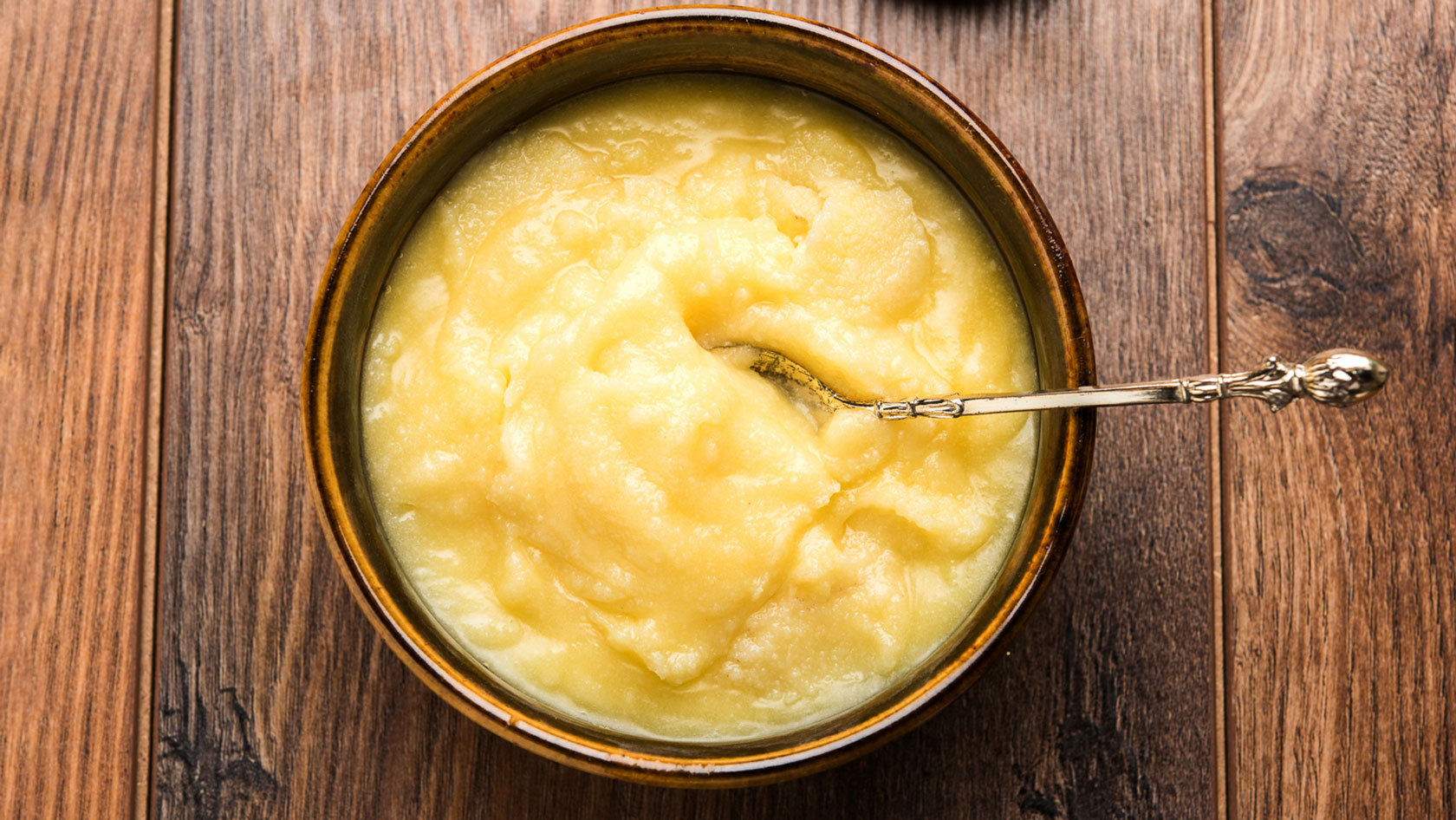
Natural, carefully prepared ghee consists solely of milk fat without any impurities - no water, no milk residues, and no milk protein casein. Essentially, it's butter without milk. Since lactose fractions are also removed during the clarification process, ghee may be suitable for people with lactose intolerance.
Due to its unique molecular structure (its molecules consist of short-chain fatty acids), ghee is easily digested, and when consumed in moderation, will not harm the heart, liver, or blood vessels.
Ghee contains:
- Linoleic acid – 5 %,
- Vitamins E, A, D, B3,
- Chlorine, sodium, potassium, calcium
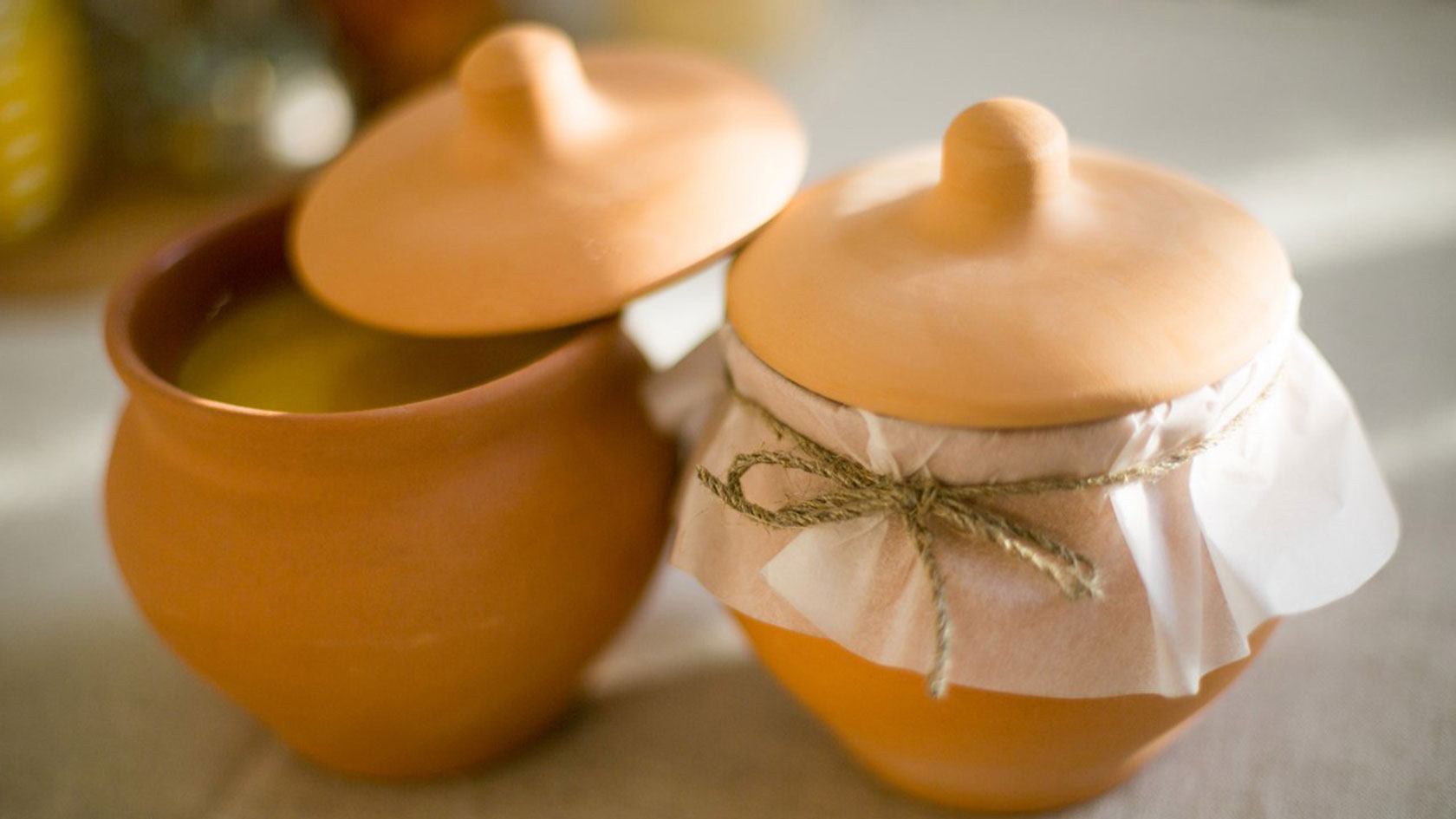
The long shelf life of ghee allows it to be stored for future use. Ghee does not lose its beneficial properties and continues to increase its positive potential over time.
Benefits of Ghee for the Body
Ayurveda teaches that regular consumption of ghee shapes a person’s positive tendencies, gives strength, and restores clarity of perception. Of course, this is not the only beneficial property of ghee, and the reader is undoubtedly wondering: how exactly can this oil help me?
- Ghee has a very strong rejuvenating effect, especially noticeable in its positive impact on the skin. The skin acquires a beautiful and vibrant glow, and dryness disappears. Saturated with fatty acids, the skin becomes less prone to stretching and the formation of wrinkles.
- It protects the body from the effects of free radicals, reducing the predisposition of cells to overgrowth, mutation and tumor formation.
- Ghee has a beneficial effect on the liver and other organs of the gastrointestinal tract.
- With regular consumption, mood improves, a person reacts less to external irritants and becomes calmer. This change is noticeable even to others.
- It helps keep the body warm in winter and during colds, assists with cough. Ayurveda classifies ghee as one of the most warming substances in the entire arsenal of remedies used in traditional Indian medicine.
- Ghee blends perfectly with balms and creams, increasing their therapeutic effect. It can also serve as a base for mustard plasters. If your doctor prescribed you a warming cream for your joints, you can safely combine it with ghee - the effect will not take long to appear.
- Ghee is an effective remedy for migraines, caused by overexertion. Regularly rubbing the healing ghee substance into the temples for 2-3 months first decreases and then completely eliminates pain.
- An important property of clarified butter is its ability to increase cell regeneration.
However, despite all of ghee’s benefits and the fact that it is completely hypoallergenic, overuse or careless consumption may be harmful. Clarified butter is a high-calorie product, and overweight people should only consume it in minimal amounts.
While ghee is excellent for the prevention of tumors and new growths, it is not recommended for people with confirmed tumors.
Preparation and Storage of Ghee
All technological stages of making ghee have long been known - this process is not a secret. If strongly desired, you can recreate it at home and delight your loved ones with an unusual and incredibly wholesome product.
- The first step is to obtain high-quality raw material - butter with no additives and high in fat, the ingredients of which you can trust. Ideally, this should be natural farm-made butter.
- Choose an enamel or aluminum pot with a capacity of about two liters. This will be used to melt the butter. The heat should be lower than medium - otherwise the butter will start frying and will be spoiled beyond repair.
- Soon the butter will begin to melt. Do not use a lid. We should be able to observe the gradual process of melting and simmering. The goal is to evaporate all the water from the butter.
- As soon as it begins to boil, reduce the heat to the lowest setting. The butter should "breathe" slightly, but must not burn - this is the most crucial foundation of the process.
- Gradually, you will see white flakes (milk proteins) settling at the bottom. It is better not to disturb them. If the pot is of good quality, the butter won't burn. If needed, you can gently stir the contents once or twice.
- Eventually, the milk proteins should turn light brown, while the butter itself becomes a pure, transparent golden color. It is better not to walk away from the stove - at this stage, a mistake could easily ruin the result. The milk proteins must not burn.
- If everything is done correctly, you may turn off the stove and remove the ghee from the heat. Without stirring, let it cool slightly, but do not allow it to solidify.
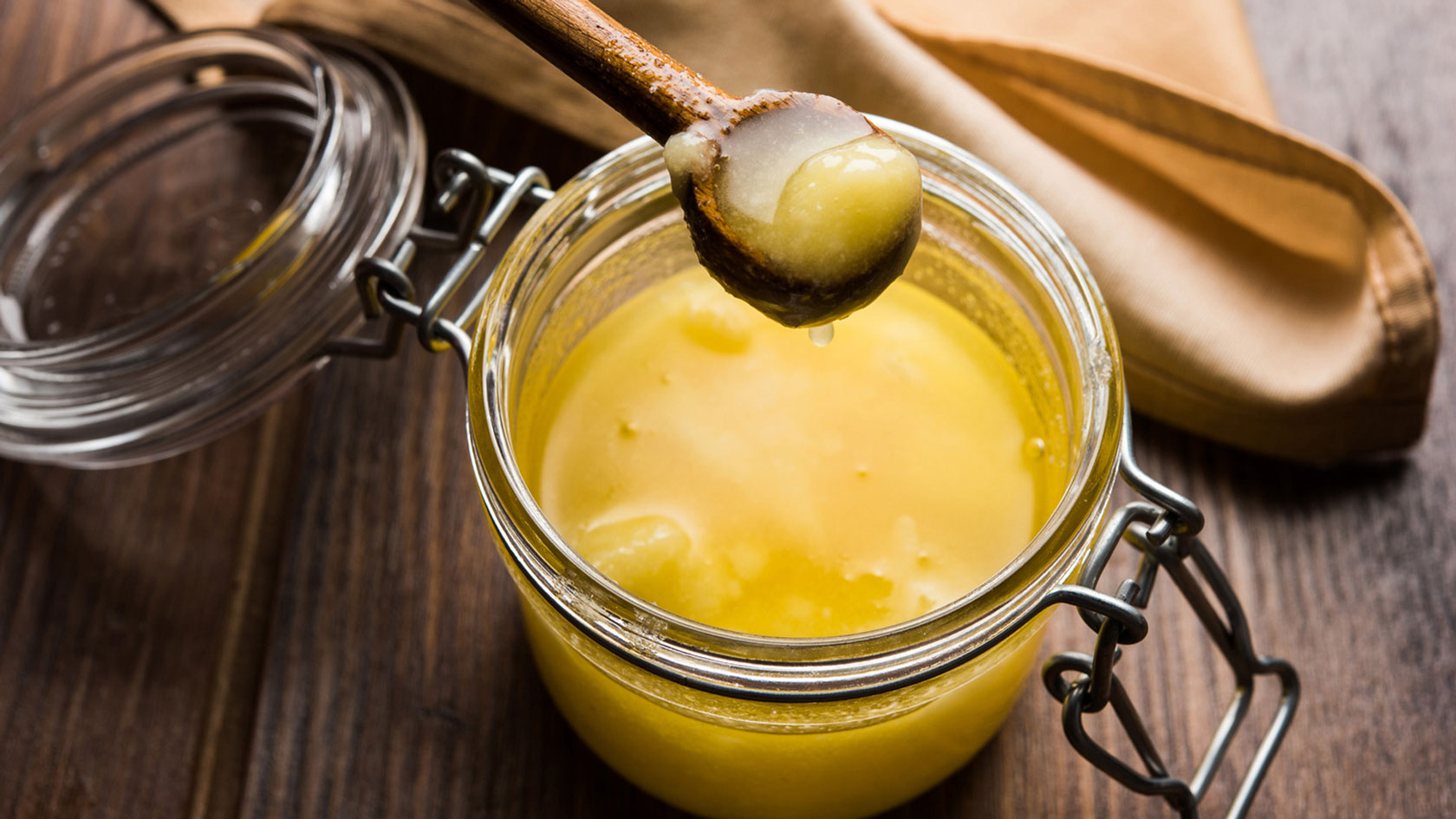
- Strain the liquid through three layers of cheesecloth into a clean, dry container - for example, a glass jar of suitable size.
During the cooking process, foam will inevitably form on the surface. You can remove it as it appears, or leave it untouched until the end - it will harden into a thin crust that can be easily removed.
There is also a second method of preparing ghee, in which the butter is clarified not in direct heat but using a “water bath”, similar to a double boiler. One pot is placed inside another, suspended by its handles – this is where the butter melts. In the larger pot, bring water to a boil and then keep it at a gentle simmer on low heat. Add more water if needed. Leave the setup for several hours (the time depends on the amount of butter being clarified). The process will complete itself without requiring any further intervention.
There is a belief that ghee prepared strictly according to the traditional recipe, can be stored indefinitely – either in the refrigerator or at room temperature. However, considering the effort and resources involved, it would be extremely disappointing to lose the final product, so refrigeration is recommended.
Aged ghee, stored for years - especially in India – is valued as highly as gold.
Use of Ghee in Ayurveda
Ayurveda states that ghee is one of the most sattvic foods, and by consuming it, you increase the guna of goodness within the body. Ghee is suitable for all three doshas and has a balancing effect, harmonizing Vata, Pitta, and Kapha.
- On a subtle level, ghee interacts with ojas – the body’s subtle vital essence - dispersing stagnation. Ghee also strengthens all types of agni (internal digestive fire), without aggravating Pitta dosha.
- It is used for mental imbalance and disorders of the nervous system related to Vata dosha.
- Ghee can be used as a therapeutic component in nasya - a cleansing practice and part of Panchakarma, aimed at: deep purification of the head channels, relaxation and removal of toxins, clearing the sinuses, and eliminating congestion in this part of the body.
- Ghee is the main component in snehana – the practice of external and internal oleation (oil therapy) of the body. Snehana is an important step in the process of detoxifying the body. In this therapy, ghee is used in combination with various medicinal herbs and taken over the course of seven days. According to Ayurveda, this is the time needed for medicinal oils to penetrate into the body’s deep tissues.
- For children, ghee can serve as an alternative to regular butter. In India, it has traditionally even been used to treat infants with respiratory illnesses and inflammatory conditions related to colds. Pediatric experts recommend gradually introducing ghee into a child's diet no earlier than 6 months of age, starting with half a teaspoon per day.
Modern food and pharmaceutical industries, despite adding countless additives, nevertheless, cannot satisfy the demand for healthy food. People instinctively look for natural products connected to ancient roots, rediscovering the deep world of ancestral culinary traditions. Ayurveda is a source of guidance for millions around the world who are on this path.
Despite all the advantages of the product described above and its hypoallergenic properties, one should remember safety and moderation. Every living being, and every human body, is unique, as are its reactions. Treat your body with care and listen to its signals. Nurture your health.
The views expressed are based on traditional Ayurvedic texts and do not constitute medical advice.