Warning: This article is rooted in the principles of Ayurveda and is intended for informational purposes only. It is not a substitute for professional medical advice, diagnosis, or treatment. Before making any changes to your diet or lifestyle, especially if you have a chronic condition, please consult your healthcare provider or a certified nutrition specialist.
The more positive habits a person incorporates into their life, the longer their body remains healthy and energetic. By making daily choices regarding their nutrition, physical exercise, rest, and daily routine, each person forms habits that subsequently define the state of their body and mind. Systematically repeating actions that are designed to prevent diseases and strengthen our immunity allows us to keep the body healthy and increase its efficiency. One such daily procedure is Nasya— the administration of certain substances (medications) through the nose.
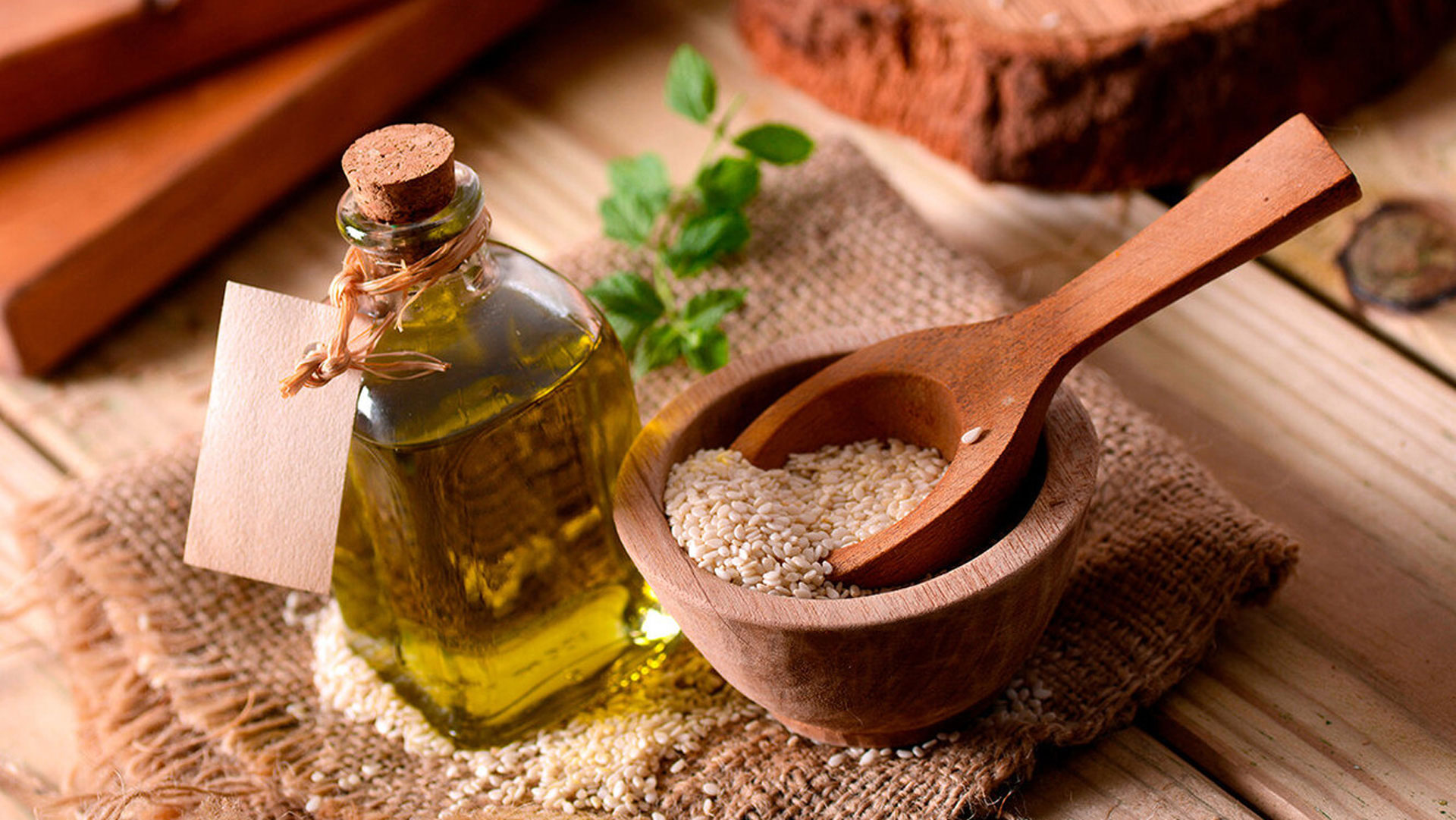
Using nasal oil daily: benefits and contraindications
The procedures for administering substances through the nose are called “Nasya” (Nasyam), “Nasya-karma,” “Shiro Virechana,” or “Navana.” Nasya can be performed as part of Panchakarma, the five cleansing procedures, or used daily as a part of the daily routine, Dinacharya. The daily procedure specifically is called “Navana.”.
One of the most common methods of administering substances into the nose is by using oil. Generally, people expect nasal remedies to cleanse the nose, make breathing easier, and treat runny noses – nothing beyond that. In reality, however, daily Nasya has a multitude of other positive effects:
- moisturizes the nasal mucosa;
- strengthens the chest, shoulder girdle, and neck;
- helps to prevent diseases of the upper body;
- prevents headaches, insomnia, and nervous tension;
- improves memory and the functions of the four senses (smell, hearing, vision, taste);
- eliminates bad breath;
- helps one develop a pleasant voice due to the daily effect of oil on the vocal cords;
- prevents (or reduces) wrinkles, age spots on the face, graying hair, and baldness.
- may also correct a deviated nasal septum through prolonged, regular use.
There are no contraindications to Navana, only some basic precautions to follow while performing the technique.
- Do not put cold oil into your nose; it’s best to warm it up to body temperature first.
- During the cold season, it’s important to perform this procedure at least an hour before going outside.
- You shouldn’t put oil drops in your nose immediately before or immediately after taking a shower (or bath).
- It’s not recommended to instill oil into the noses of children under 7 years of age and adults over 80.
- Traditionally, as part of Dinacharya, Nasya is performed after oral hygiene and the use of eye drops but right before Gandusha (rinsing the mouth with oil).
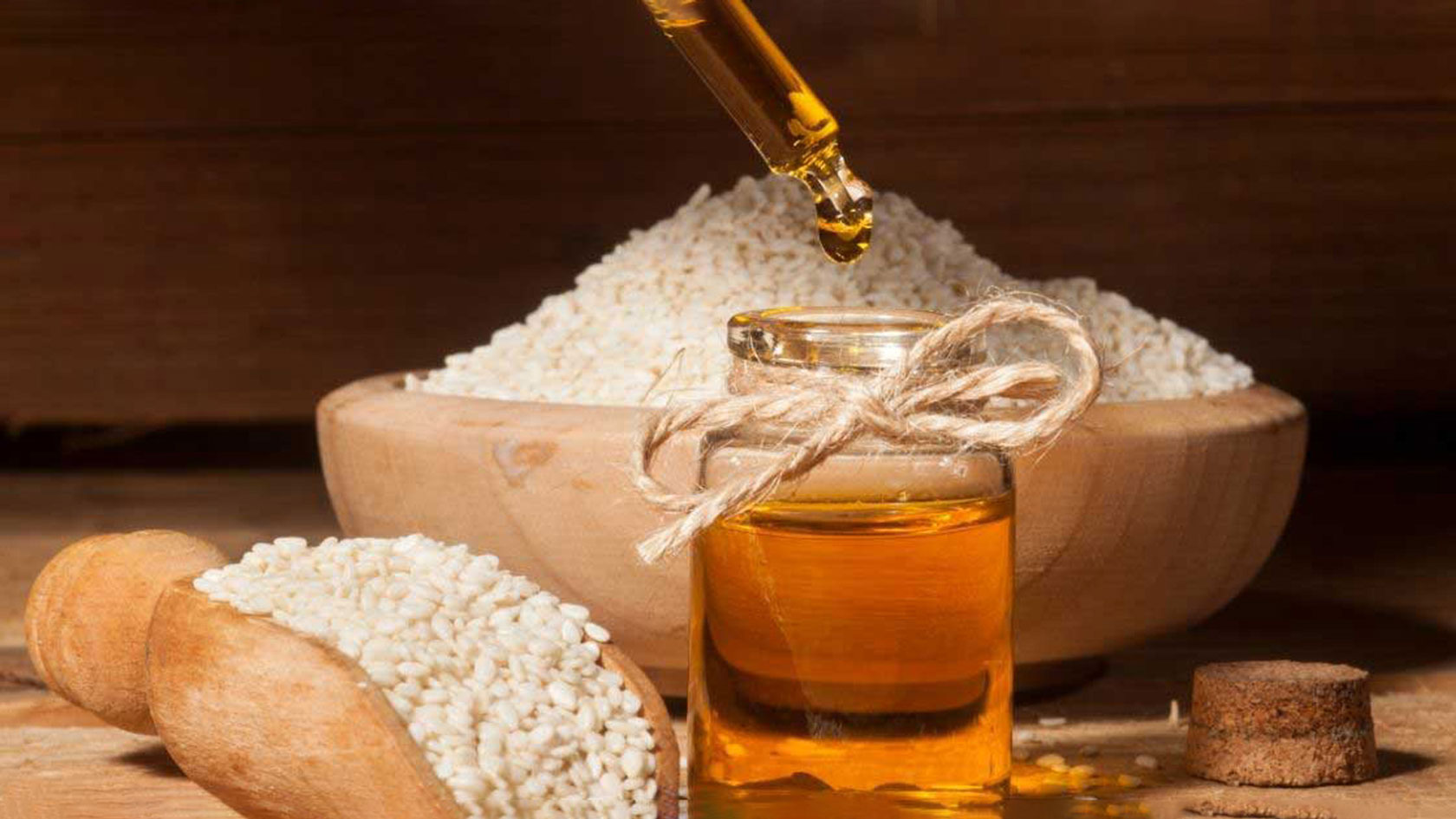
What oil can be instilled into the nose
Classical Ayurvedic texts not only mention the type of vegetable oil applied to the nasal mucosa but also recommend a specific composition called “Anu Thailam.” They also provide its original recipe, one that is still widely used in the production of the medicine today.
The base of Anu Thailam drops is sesame oil. In any recipe, having the component “Thailam” in the product’s name indicates that the base of the medicine is sesame oil. The “Ashtanga Hridaya Samhita” mentions that oils can be instilled into the nose after nighttime and daytime sleep, after meals, after sexual intercourse, and after long journeys. The classic version also recommends instilling two drops into each nostril.
Is there an alternative to directly instilling oil into the nose? Today, the methods of using oil to combat nasal dryness have been somewhat modernized: one option is to simply apply the drops to the mucous membrane with a finger. To do so, put a drop of unrefined sesame oil or Anu Thailam on your pinky or ring finger and place the oil on the nasal mucosa, inhaling deeply and pulling the drops as far inside as possible. Fingernails should be kept short for this procedure to avoid damaging the mucous membranes. Anu Thailam drops can also be used during illness if you follow the instructions and consult a doctor beforehand.
Sesame oil is suitable for all
When choosing an oil for Nasya, you can definitely follow the recommendation about using sesame oil. This oil is universal for all doshas and has a beneficial effect on the body, especially when applied externally in procedures such as Nasya. The benefits of sesame oil have been proven over many centuries. It deeply nourishes the tissues, warming and moisturizing and thereby balancing the Vata dosha.
This is why it’s so important to perform nasal oiling everywhere you go — while traveling, in well-conditioned rooms, in rooms with heating systems — up to twice a day. The regular practice of putting oil into the nose, Nasya, is not only a matter of everyday comfort but also a guarantee of beauty and health, proper perception of the world, and self-expression through the senses.
The views expressed are based on traditional Ayurvedic texts and do not constitute medical advice.