Warning: This article is rooted in the principles of Ayurveda and is intended for informational purposes only. It is not a substitute for professional medical advice, diagnosis, or treatment. Before making any changes to your diet or lifestyle, especially if you have a chronic condition, please consult your healthcare provider or a certified nutrition specialist.
In different cultures, including the Vedic tradition, water is regarded with reverence and given deep sacral significance. Many believe that jala is not just one of the primary elements, but the manifestation of the God on Earth. Ascetics and sadhus do not enter water naked, not to insult jala.
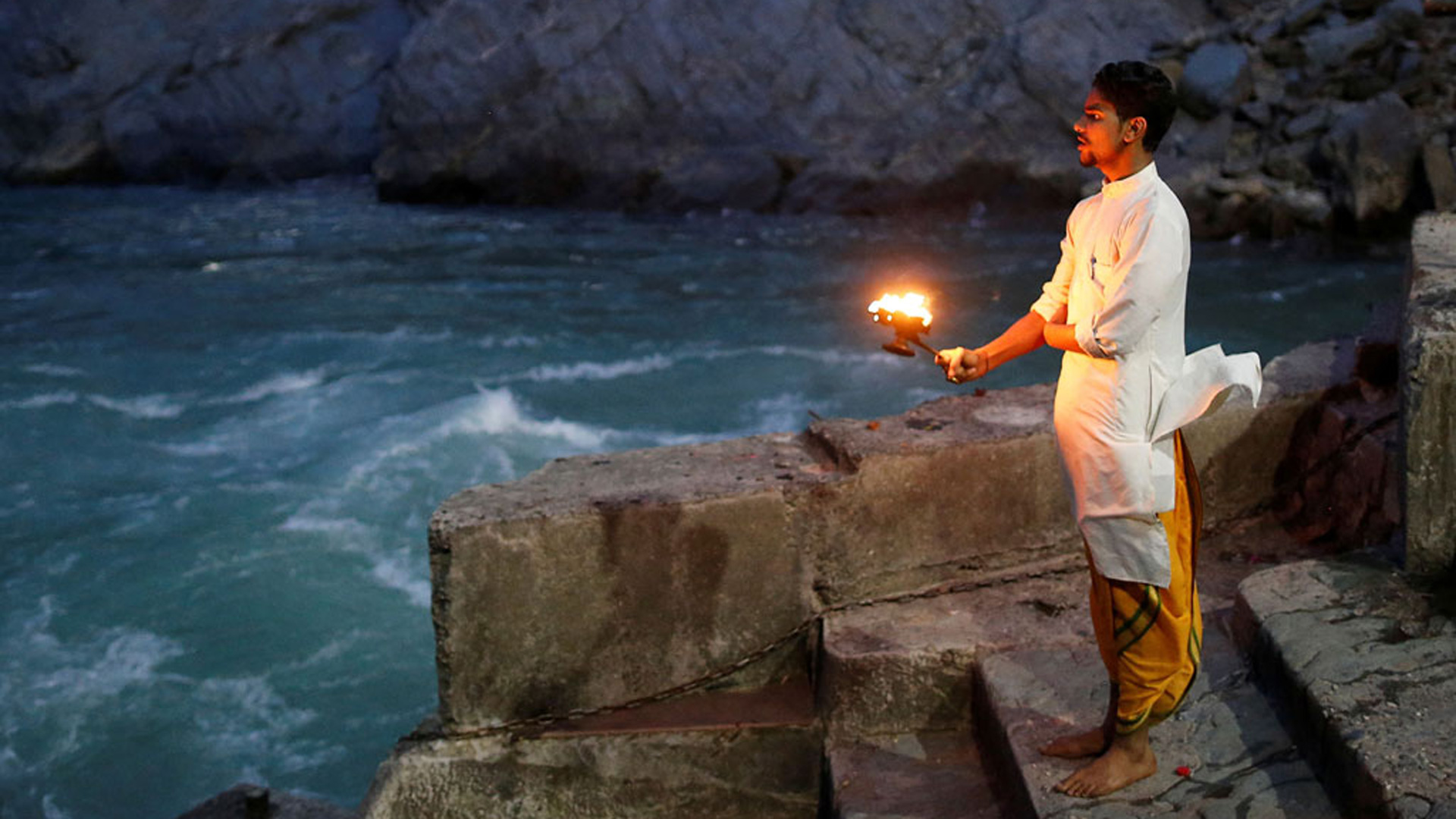
To continue the conversation about primary elements, we will look at jala – water - more closely. From ancient Vedic times and till present day, water has been treated with care. We all have heard about the Ganga river (the Ganges). For the people of India, it is not just a river, she is the Mistress of rivers and lakes, oceans and seas. According to one of the legends, Ganga is a Goddess, who had been dreaming of being honored and worshiped at all times, and thus became the river. In return, she promised to help everyone, who would ask her. On the geographical maps, the Ganga river is one of the largest and longest in India. It stretches from the west to the southeast of the country. But from the standpoint of sacred scriptures, Ganga is a Great Mother that connects all the spiritual worlds.
She represents the infinite transcendental flow, which by its grace appears on the Earth as a River. In India it is considered, that if the ashes of a deceased are released in the Ganga river, his or her soul will surely reach paradise. This is the exact blessing promised by the Great Mother in return for people’s eternal remembrance of her. Nowadays, one can meet different people such as yogis, ascetics and spiritual seekers on the banks of the Ganga river. Funeral pyres are burning with no fading, tended by scary aghoris, offering prayers for the acceptance of the souls leaving this world.
Obviously, the meaning of “jala” is much more capacious than just “water”. It is one of the leading primary elements that connects and unites all of the other ones. It is the water that binds nutrients, transporting them throughout the body. From the Ayurveda point of view, water exists in everyone and everything, even in a stone. It is water that connects its molecules and makes it hard. The process of making concrete can demonstrate the jala action the best. Cement is just an ordinary powder, but as soon as water is added you get a material that can adjust to any form. The cement item you have created will harden, however this process wouldn’t be possible without the participation of water. Likewise, all that we see, touch and feel wouldn’t exist without water. Water imparts flexibility, smoothness and beauty. Jala is the source of life, and without it our bodies would be doomed. You probably know that a human can survive without food longer, than he can without water.
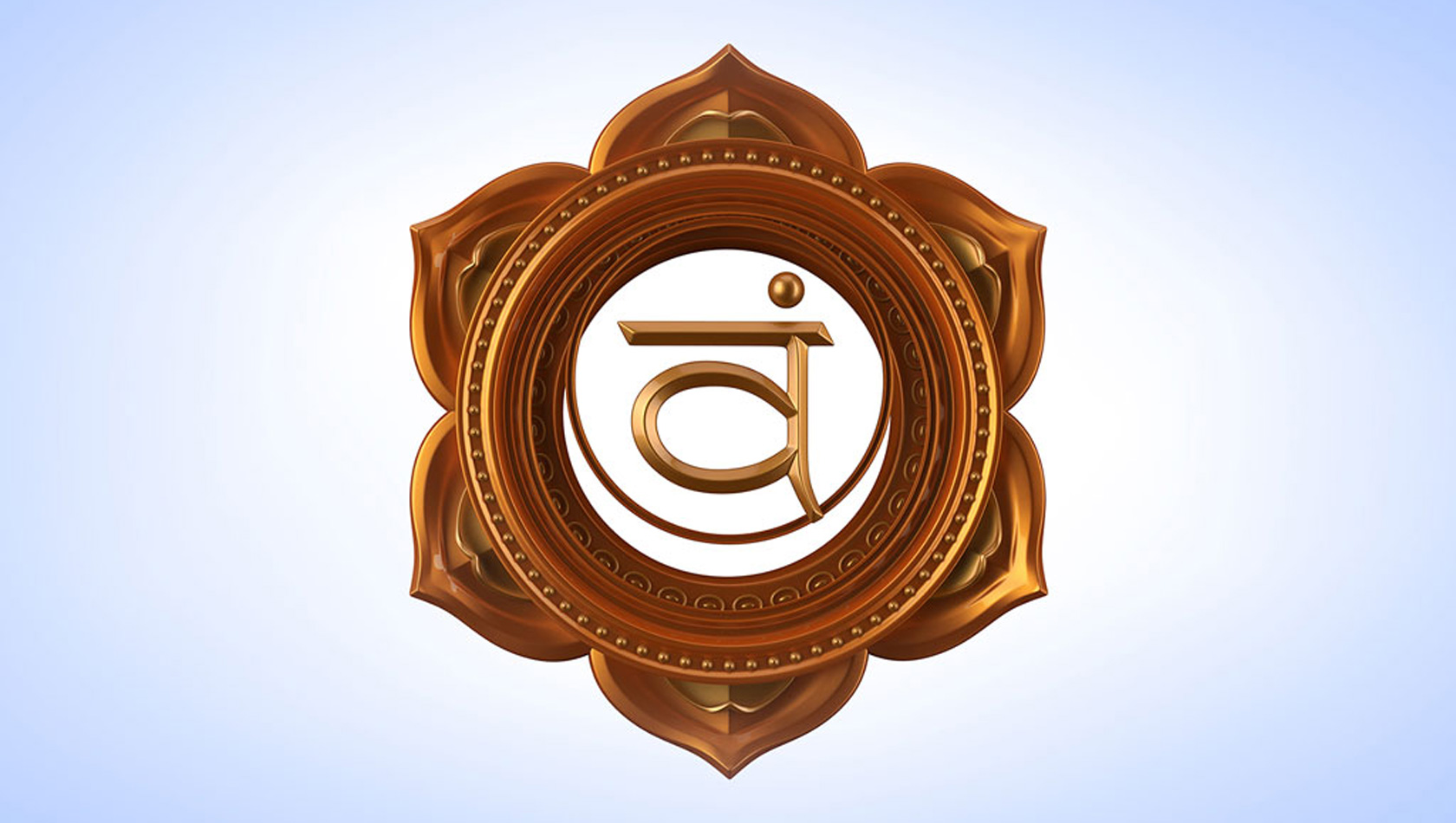
Water is a sacred element; it is related to the svadhisthana chakra. Similar to other elements, jala has its own yantra - graphic representation, or a sacred figure - which is the lunar crescent. Water can be compared with the Moon energy - cold and fluid, corresponding to the sour and salty tastes. If you remember, the “hatha yoga” definition is “the union of two energies - solar (masculine) and lunar (feminine)”. Therefore, one that follows the Hatha yoga way will harmoniously develop both types of energies to become a whole, balanced personality.
Water correlates with the bija-mantra “VAM” as its colours are white and silver. As we already know, water connects all the elements in the body, and it is impossible to maintain the adequate level of fluids without it. Detoxification and the reproductive functions of the body are also the responsibilities of jala.
Jala is associated with taste, a function that is manifested especially well on the tongue and the genitals. The easiest way to become friends with jala is to drink clean warm water regularly, as well as to follow recommendations specific for your dosha. Because jala is connected with our tongue, Ayurvedic specialists remind us about the importance of being in control of how we talk and what we speak about. Swear words and meaningless conversations do not make a favor to anyone; in addition, they create a water imbalance.
Water is the element responsible for the change of form, but at the same time, it preserves the content. Under the influence of wind - “vayu” - it transfers substances to be transformed by agni.
As we know, jala is fluid and flexible. If the quantity of water in our body is sufficient, the intercellular fluid and the lymphatic system will be in normal condition. Furthermore, water is connected to taste. Do a simple experiment: put a piece of food on the dry tongue, and you won’t taste anything. Why? Because jala is what reveals the taste when it spreads small pieces of food substance throughout the mouth. Ayurveda says that taste is a very important factor in our nutrition and life overall.
Water is in close contact with the fire - “agni”. Jala transfers stomach acids and greases the joints, thanks to which we can have mobility in the ligaments and joints for many long years. Jala also protects the tissues of the body from devastation.
In addition, water is responsible for the emotional state. The way we perceive the opinions of others, depends on the water within. Composure and the ability to adjust to current circumstances are also a jala achievement. If there is a lot of water in the body, a person would “flow away” from responsibility, and he risks to be known as a “slick guy”. Excessive fear and anxiety are also symptoms of excessive water in the body. Knowledge keeping is another one of jala’s functions, but if there is too much water, knowledge will get all mixed up.
Water extinguishes agni; at the same time, its lack will lead to the spreading of the fire at full force, causing ulcers and skin problems. Fire is devastative at its core, and only water has the power to calm it down and redirect it. Excess of water may contribute to high blood pressure and kidney problems. Thanks to the ability of water to hold off and hold back the wind - “vayu” - a human can enjoy prolonged youth.
What products can help to increase the quantity of water in the body? First of all, watery, juicy fruit and veggies. However, water in its pure form gets absorbed poorly by the body, and only agni can help retain it. If you sweat a lot, you will lose a lot of water. In this case, doctors recommend eating something salty. This advice may be suitable for people who live in hot climate. The reason for this is the fact that salty food pulls water and preserves it in the body. You can also add a bit of sour taste to the water, such as several drops of lemon juice. Such water is easily absorbed by the body and gives the possibility to quench your thirst quickly.
Such water and lemon juice “cocktail” is recommended first thing in the morning, and the water should be warm. This beverage needs to be taken on an empty stomach: in essence, it is the same glass of water that one needs to drink immediately after getting up. Only this alternative is a much healthier option. If one has problems with extra weight, it is recommended to add a pinch of turmeric to the drink. This cocktail will energize you, significantly decreasing the risk of overeating at breakfast.
In summary, it needs to be said, that only a specialist can establish an excess versus a lack of water in the body. Do not try to cure it yourself; it can harm your health. Do not forget about the culture of speech: start controlling yourself and the words you are uttering; it will definitely please the energy of water and everyone around you. Do not waste your time discussing unnecessary and useless things, refuse to gossip, discuss and judge others. We all are different and everyone has his own unique path. How we walk it depends only on us, so, we, first of all, have to pay attention to our inner world, our personal development and self-improvement.
The views expressed are based on traditional Ayurvedic texts and do not constitute medical advice.