Warning: This article is rooted in the principles of Ayurveda and is intended for informational purposes only. It is not a substitute for professional medical advice, diagnosis, or treatment. Before making any changes to your diet or lifestyle, especially if you have a chronic condition, please consult your healthcare provider or a certified nutrition specialist.
Spring is one of the favorite seasons for many people. After all, the word spring is associated with awakening and blossoming, with hopes, dreams, and new life.
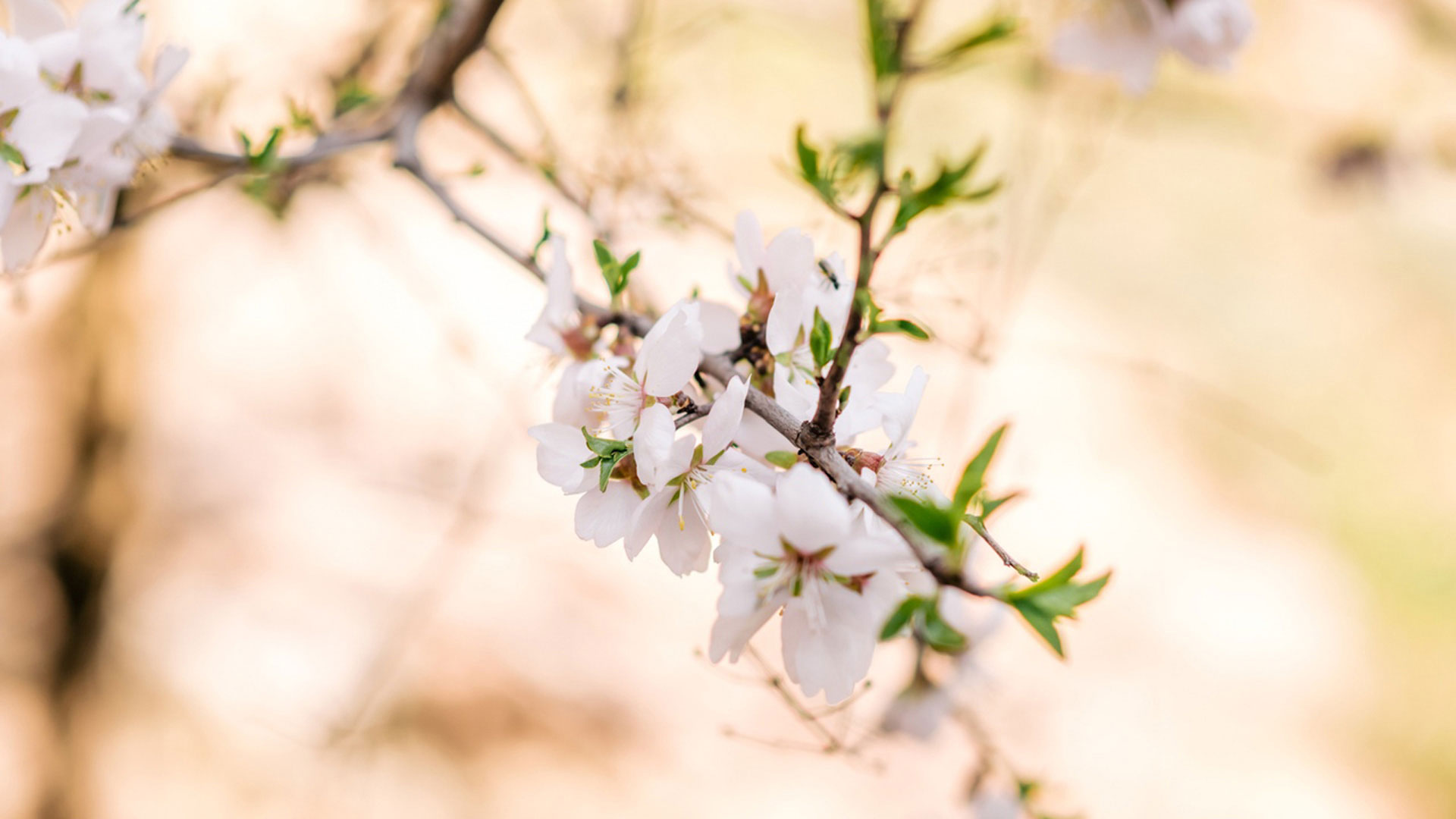
Spring reveals itself in many ways. On the one hand, flowing streams, the scents of blossoming plants, fresh, juicy greens, and the brighter sun all mark the arrival of spring. On the other hand, this season is characterized by an abundance of moisture from melting snow and changeable weather - especially in March - which often causes colds and viral infections. Such a description of the early Russian spring is most fitting for the spring season as understood in Ayurveda.
Qualities of spring according to Ayurveda.
Spring (vasanta) - is one of the six seasons in Ayurveda. It lasts from February 20 to April 21 and is part of the annual cycle. This detail is important to understand the bigger picture: the beginning of spring still resembles winter, while its end already carries the qualities of summer. Each season flows into the next, and with these shifts in the environment, the dominant qualities and doshas also change.
Recommendations offered by Ayurveda for the preservation of health throughout the year, are governed by these seasonal fluctuations. In Ayurveda, the section with this advice is called ritucharya .
The Sun and the Moon have a profound influence on the qualities prevailing in the nature of the Earth, and therefore in human beings as well. According to the primary sources of Ayurveda, The Sun warms and dries the Earth, thereby drawing out energy, while the Moon cools and moistens it, nourishing and restoring strength. In spring, the dominant qualities are coldness and heaviness (humidity), arising from the abundance of precipitation and melting snow which come to the forefront.
Doshas in spring
Based on the predominant qualities, Kapha dosha dominates in spring and even before its onset. It is heavy, cold, oily and still. When it becomes excessive, it gives rise to conditions associated with mucus formation - particularly respiratory diseases accompanied by a wet cough and runny nose - as well as weight gain, swelling, drowsiness, and even depression.
Spring is the peak period of Kapha, but Vata dosha should not be overlooked. Cold air, frequent winds and the use of heating devices increase dryness in the body, leading to a sense of deep inner cold and exhaustion.
Ayurveda recommendations for spring
Just as nature hastens to shed its snow cover in spring, so too does man strive to free himself from the heaviness, excess moisture, toxins and mucus accumulated during the winter months.
The following recommendations will help you.
- Daily routine and physical activity: What to do in spring In spring, it is necessary to rise early (before 6 am, during the Vata time of day), and go to bed before 10 pm. Daytime sleep should be avoided, as it further increases Kapha which is already elevated in this season and is characterized by heaviness and sluggishness. To balance Kapha, add more movement into your daily routine - starting with walking and gradually including aerobic exercise, dancing, or other types of physical activity that lift the mood and stimulate metabolism. Hatha-yoga asanas are also beneficial, with a preference for vinyasas - sequences of postures that flow smoothly into one another at a slightly faster pace.
- Body care in spring. Self-massage is essential during this time. If there is still dryness of the skin and signs of elevated Vata dosha, self-massage with oil is recommended, as it provides both a warming and calming effect. When Kapha dosha is imbalanced - manifesting as excess weight, cellulite, or toxin accumulation – techniques such as Garshana (dry body rubbing with special gloves) or Udvartana (massage with herbal powders) are especially beneficial. These practices are highly effective for supporting health, vitality and beauty in spring and the months that follow. Just like autumn, spring is an auspicious time for detoxification. Ayurveda recommends panchakarma, a deep, thorough cleanse, to expel ama (toxic buildup and mucus) accumulated during the winter, rejuvenating and strengthening both body and mind. li>
- It remains to add information about nutrition in spring. The main rule is simple: food should bewarm and light.

Nutrition in spring
- The base of nutrition:
- Legumes: lentils, chickpeas, peas, beans
- Vegetables: celery, beet, cauliflower, broccoli, pumpkin, turnip, zucchini
- Bitter herbs and leafy greens: spinach, arugula, different types of lettuce and salad greens
- Cereals: barley, millet, rye.
- It is important to eliminate or reduce the following foods :
- Heavy, fatty, fried, or cold foods
- Ready-made, store-bought, and processed products
- Foods of animal origin, including dairy products
- Givepreference to products with bitter, pungent (spicy), and astringent tastes . At the same time, reduce sweet, sour, and salty tastes. (Honey is an exception.)
- In anticipation of spring, it is good to stock up on seasonings and spices such as ginger, black and red pepper, cumin, coriander, fennel, cinnamon. These can be added to both food and drinks.
- Choose dishes that are stewed, baked, grilled, or sauteed.
- Make dinner light and early.
- Drink ginger tea throughout the day.
- Celebrate the arrival of spring with lighter eating days – through mono-diets, or fasting. Observing the Great Orthodox Lent, for example, balances Kapha dosha well in the spring as a vegan diet is lighter.
Culinary trends in spring. Recipes
Stuffed peppers with beans and quinoa
Ingredients:
- Sweet pepper - 6 pieces;
- Boiled beans - 250 grams;
- Quinoa - 1 cup;
- Tahini - 3 tbsp;
- Lemon - 1 piece;
- Spinach - a handful;
- Smoked paprika for garnish;
- Asafoetida - a pinch;
- Shamballa seeds - ¼ tsp;
- Black pepper - ¼ tsp.
Cooking:
- Soak the beans for 8 hours. Cook until done, drain the water.
- Heat a little oil in a frying pan and sauté asafetida and shamballa seeds, then add the mixture to the beans.
- Cook the quinoa.
- Preheat oven to 180 degrees, cut the peppers in half and bake for 15 minutes.
- Combine the cooked quinoa with the beans and spinach, add black pepper and salt to taste. Fill the pepper halves with the mixture. Sprinkle with paprika.
- To prepare the sauce, grate the lemon zest, mix with lemon juice and tahini. Serve over peppers.
Millet Patties
Ingredients:
- Cooked millet - 200 grams;
- Jerusalem artichoke syrup - 6 tbsp.;
- Raisins (soaked for 15 min.) - to taste;
- Oil for greasing the frying pan.
Cooking:
- Mix the cooked millet and Jerusalem artichoke syrup in a blender until smooth.
- Add raisins and mix by hand.
- Form the millet balls with your hands, first running them under water to prevent the sticking of the batter.
- Sautee in a small amount of oil on both sides until golden brown.
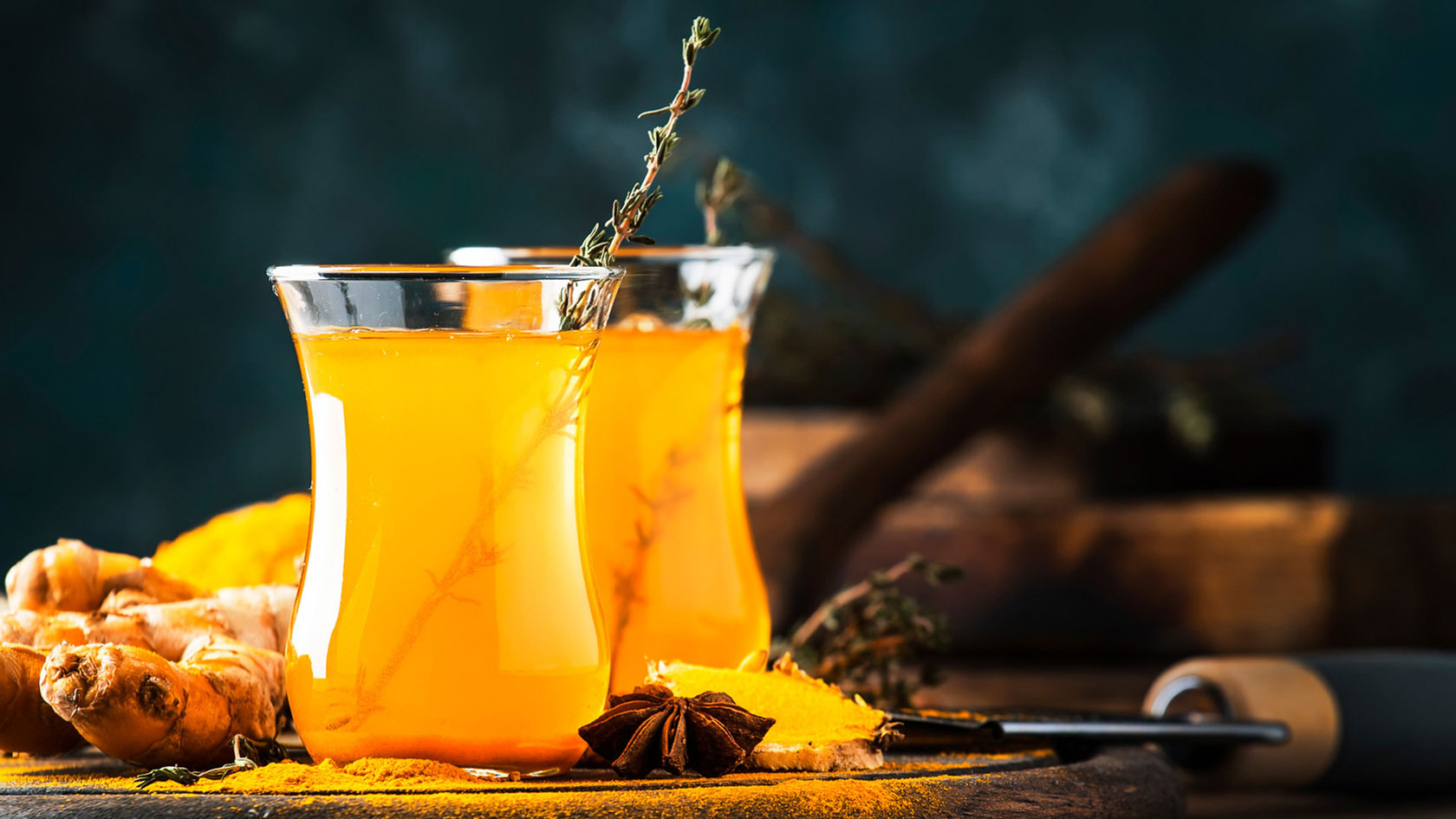
Flavorful spring tea
Ingredients:
- Water - 500 ml;
- Fennel (seeds) - 2 tbsp.;
- Whole cloves - 1 tbsp;
- Cinnamon (bark) - 3 pieces;
- Green cardamom (seeds) - 1 tsp;
- Licorice - 1 tsp;
- Ground ginger - 1 tsp;
- Black cardamom (seeds) - 1 tsp.
Cooking:
- Grind the spices in a coffee grinder or a blender.
- Add water and 1 teaspoon of spice mixture to the pot, bring to a boil over medium heat.
- Reduce heat and steep for another 7 minutes.
Wishing you blessed nourishment and a healthful spirit!
The views expressed are based on traditional Ayurvedic texts and do not constitute medical advice.